








The Mechanics of the New Subscription Tier
Instagram has introduced a premium subscription model titled Instagram Plus, currently priced at $3.99 per month. The company frames this rollout as a suite of tools intended to provide users with greater autonomy over their digital presence and deeper connectivity within their social circles. While the platform describes these additions as an optional upgrade for those seeking more granular control, the feature set represents a significant shift in how user data is managed and presented to the individual account holder.
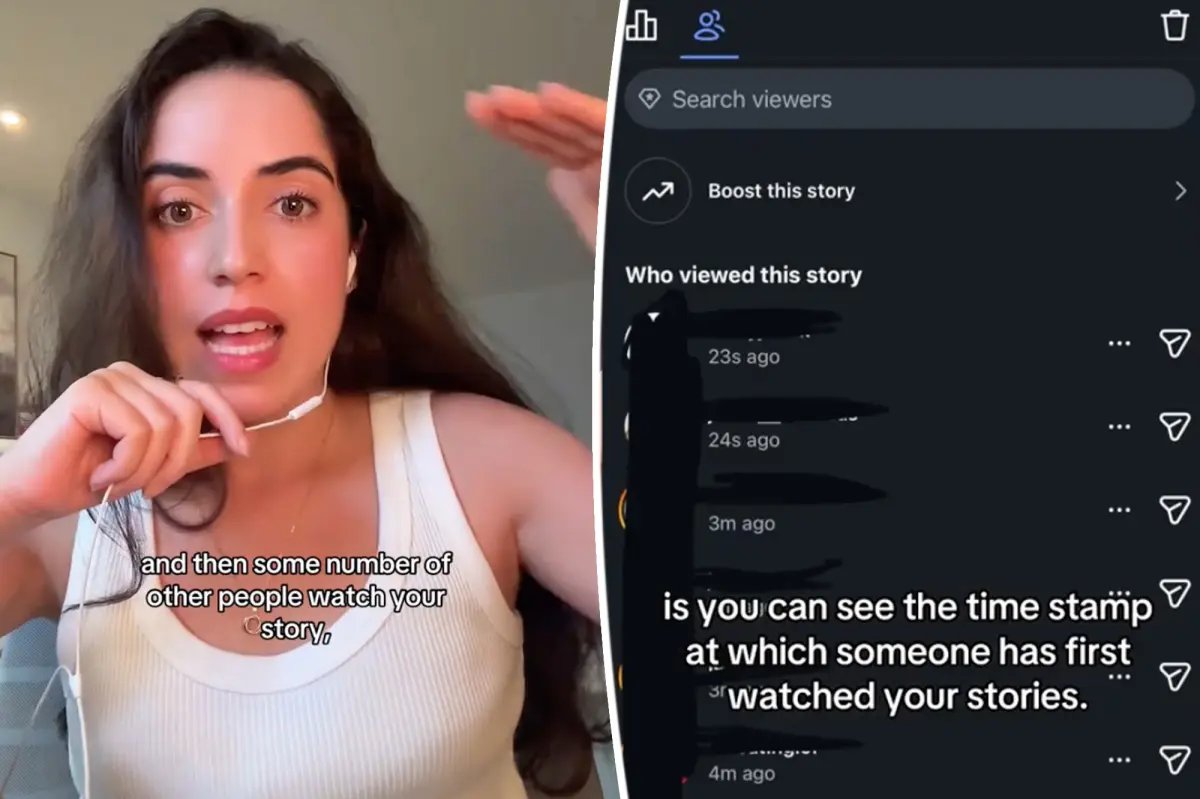
The subscription includes a range of technical enhancements, such as extended visibility for 24-hour stories and priority placement within the followers’ feeds. Beyond these visibility adjustments, the core value proposition of Instagram Plus lies in its analytics suite. Subscribers gain access to advanced viewer insights, including a “Rewatch Count” and a “Search Viewer Sheet.” These tools allow users to gain a more detailed understanding of how their content is being consumed, moving away from the standard, binary indicator of who has viewed a story toward a more data-heavy metric system.
Analyzing the New Viewer Insights and Data Tracking
The most controversial technical component of Instagram Plus is the implementation of granular tracking on story interactions. The Rewatch Count feature functions by monitoring the playback behavior of viewers and displaying a specific glyph or metric to the content creator. This data is augmented by timestamps, which record exactly when a story was first accessed and whether that viewer returned to the content at a later time.
From a technical standpoint, this requires a more robust logging infrastructure on Meta’s backend to track individual sessions beyond a single view. The Search Viewer Sheet further simplifies this by allowing subscribers to query their viewer list to verify if a specific individual has interacted with their content. While these tools offer transparency to the content creator, they introduce a new dimension of surveillance into the user experience. Because non-subscribers are unaware that their viewing patterns are being captured in this high-fidelity format, the subscription creates a one-sided flow of information that changes the nature of platform participation.
Stealth Viewing and Privacy Controls
Instagram Plus also introduces features designed to mask user activity, such as the ability to post content to profiles or highlights without triggering an update in a follower’s feed. Furthermore, the platform has included a “Story Preview” feature that allows users to view content without their name appearing on the creator’s viewer list.
These functionalities appear to be positioned as privacy-enhancing tools, allowing users to consume content without the pressure to acknowledge the creator. However, this creates a complex technical paradox. When a subscriber utilizes the stealth viewing feature, they are essentially opting out of the standard transparency of the platform. This means that while they can access deep analytics about other users, they can simultaneously render their own behavior invisible to those they are monitoring. This asymmetry has become a focal point for critics who argue that the update prioritizes the consumption of private data over a balanced social environment.
The Debate Over Digital Well-being
The release of Instagram Plus has sparked intense criticism regarding the impact of these features on human psychology. Observers, including frequent users and technology commentators, suggest that the platform is capitalizing on tendencies toward obsession. By gamifying the viewing process through metrics like rewatch counts, the application encourages users to monitor the behavior of others with high precision.
Critics note that these features may trigger unhealthy cycles of rumination. When a user is presented with evidence that a peer has rewatched a story multiple times, the application provides no context for that action. A viewer might have simply left their device on or swiped past the story by accident, yet the interface provides data that prompts the user to attribute intent to these movements. This manipulation of data can create an environment of hyper-vigilance. Social media analysts argue that the introduction of such metrics is not merely a tool for customization, but a strategy that fosters increased time on the platform by leveraging curiosity and social anxiety.
Future Implications for Meta’s Platform Ecosystem
The introduction of Instagram Plus raises broader questions about the direction of Meta’s business model. For years, the social media giant has relied on an advertising-based revenue stream. The transition to a hybrid model involving paid subscriptions suggests that the company is looking to monetize user behavior directly through feature gating.
There is an ongoing concern among the user base that this is merely the first step toward a more restrictive platform environment. Observers fear that essential functionalities—or at least features that currently feel standard—could eventually be placed behind a paywall. As the barrier between standard users and subscribers widens, the platform effectively creates a two-tiered system where the quality of one’s social experience is tied to a monthly fee. Whether this strategy will lead to long-term growth or a decline in user retention remains a central point of contention for both stockholders and the community. As of now, the reaction to the subscription indicates that the market for invasive analytical tools is divisive, leaving the future of Meta’s subscription strategy under significant public scrutiny.
Disclaimer: This content is auto-generated for informational purposes only.
Source: Read Original News