









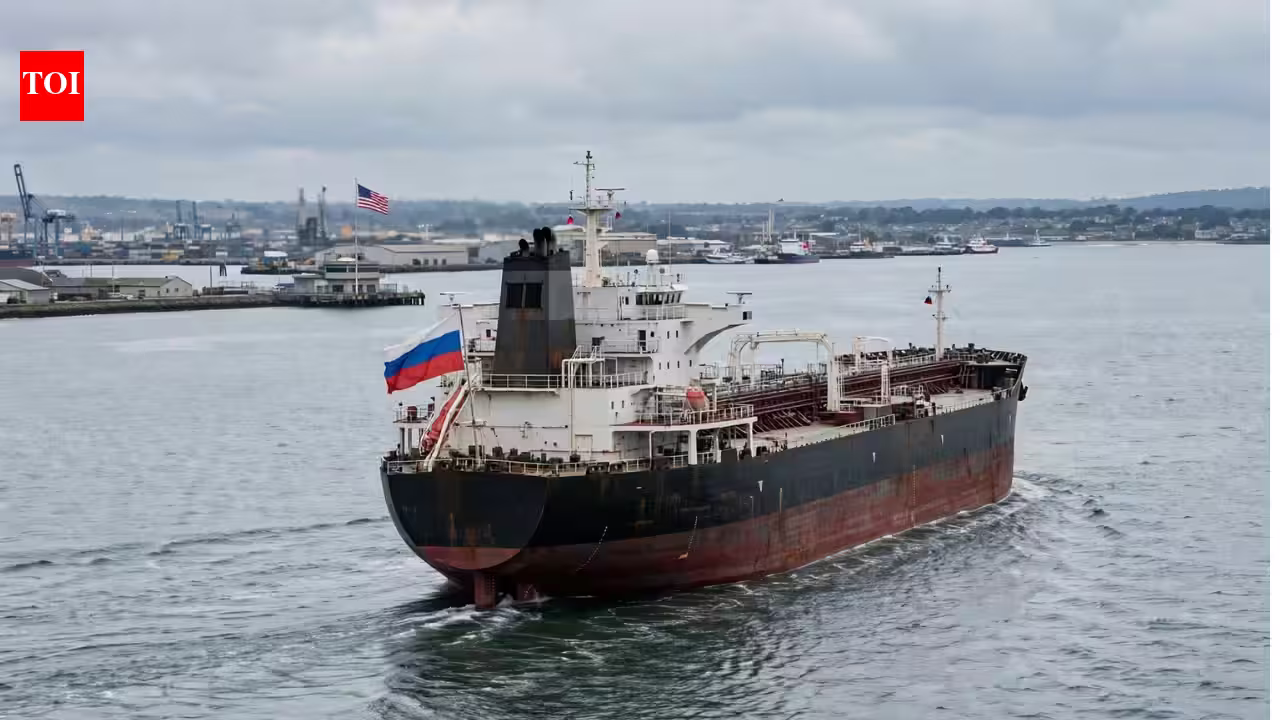
The Dynamics of the Russia-US Energy Pivot
The global energy landscape is currently witnessing a volatile realignment following the announcement of a diesel supply arrangement between the United States and Russia. Designed to mitigate inflationary pressures in the American energy sector, the deal intended to inject significant volumes of Russian diesel into the global supply chain. While the initiative resulted in a tangible surge in Russian exports—climbing from 135,000 barrels per day in September to approximately 271,000 barrels per day in October—the execution has been fraught with logistical and legal complexities.
Rather than reaching the intended American consumer market, these increased shipments have primarily flowed toward alternative destinations such as Brazil and Turkey. This shift highlights a critical disconnect between high-level diplomatic agreements and the ground reality of maritime commerce. The hesitation of traders and port operators to accept Russian product, even under the shield of a temporary Treasury license, underscores the deep-seated caution prevalent in international energy markets. While the White House maintains that the ultimate objective is to increase global supply to depress prices, the failure of these vessels to dock at American ports suggests that the political risk associated with Russian energy remains a deterrent that transcends regulatory exemptions.
Regulatory Conflict and Domestic Resistance
The controversy surrounding the diesel imports centers on the clash between executive authority and legislative mandates. The issuance of General License No. 135 by the Treasury Department was a bold attempt to bypass existing restrictions, yet it faces significant legal challenges. Domestic critics, including state-level officials like New Jersey Governor Mikie Sherrill, contend that the executive branch has overstepped its mandate by attempting to override the 2022 Ending Importation of Russian Oil Act.
This legal friction creates a climate of uncertainty for private sector entities. Terminal operators and logistics providers are wary of being caught in the middle of a battle between the White House and Congressional legislative priorities. The threat of civil and criminal penalties remains a potent factor for port authorities, particularly in regions with strong political opposition to the administration’s current foreign policy trajectory. For the business community, this creates an environment where a government-backed permit may not be sufficient protection against potential litigation or future retroactive sanctions, effectively chilling the appetite for these specific fuel imports.
The Indian Perspective and Global Energy Shifts
For India, one of the world’s largest importers and refiners of crude oil, these developments hold significant implications. The global diesel market is highly interconnected, and any sudden shift in Russian export patterns—or the redirection of tankers—affects the price discovery mechanism for fuels worldwide. When Russian diesel that was destined for the US is diverted to secondary markets like Brazil or Turkey, it disrupts regional supply-demand balances.
India has demonstrated a strategic approach to energy procurement since 2022, balancing its domestic energy security needs with international diplomatic constraints. The Russian-US diesel deal illustrates the fragility of such supply chains. As global powers negotiate “energy ceasefires” or carve-outs, Indian energy companies must navigate a landscape where established supply routes are becoming increasingly fluid and subject to political whims. For India, which is focused on maintaining affordable fuel costs for its transport and industrial sectors, the volatility in Russian export volumes serves as a reminder of the necessity for diversified import sources. Reliance on any single exporter, regardless of favorable pricing, carries the inherent risk of political exposure, which can force a sudden shift in strategy or cost structures.
Operational Challenges and Refinery Vulnerability
The sustainability of Russia’s increased diesel exports is tethered to the operational stability of its domestic refining infrastructure. The surge in export volumes witnessed in October was facilitated by a temporary pause in Ukrainian drone strikes on critical Russian energy facilities. However, the resumption of these strikes on October 30 demonstrates that the recovery in output is fragile.
Refining capacity is the engine of the diesel market. If Russian refineries remain under the threat of sustained infrastructure damage, the ability to maintain, let alone increase, export volumes will be severely compromised. Analysts note that Russian refinery operations are operating under structural constraints, likely keeping production levels near 4 million barrels per day. Without the ability to guarantee supply due to geopolitical instability at the source, the concept of a long-term “diesel deal” becomes less attractive to global buyers who require consistent, predictable arrivals to manage their inventories. The extended Russian export ban, despite its narrow exceptions, further complicates the ability of international markets to rely on Moscow for long-term price stabilization.
Future Outlook for Energy Markets
The attempt to reintegrate Russian fuel into the Western supply chain through a targeted license signifies a turning point in how sanctions might be managed in a high-inflation environment. However, the current outcome suggests that economic utility is often secondary to legal and geopolitical security. As the US moves past midterm elections and potentially enters a new phase of international engagement, the reliance on such ad-hoc energy deals may face further scrutiny.
For global stakeholders, including businesses in the manufacturing and logistics sectors, the takeaway is clear: volatility in energy prices is increasingly tied to the unpredictability of international sanction regimes. The fact that tankers are changing course mid-transit, awaiting buyers, or idling off the coast is a reflection of a market that is deeply uncomfortable with the current ambiguity. Moving forward, market participants will likely prioritize supply resilience and regulatory certainty over opportunistic price differentials. Whether the White House can successfully overcome the domestic legal hurdles and convince the private sector to accept Russian diesel remains a significant question. Until that clarity emerges, the global diesel market will continue to reflect a state of apprehension, with tankers seeking safer, less politically fraught ports of entry. The episode highlights that even with the highest-level political agreements, the practical realities of global trade and the rule of law remain the ultimate arbiters of energy movement.
Disclaimer: This content is auto-generated for informational purposes only.
Source: Read Original News