








NEW DELHI – The pilot in command of an Air India flight from Phuket to Delhi, which experienced a sudden loss of altitude on August 4, has failed a second dope test, sources confirmed on Tuesday. The incident resulted in injuries to several passengers and crew members.
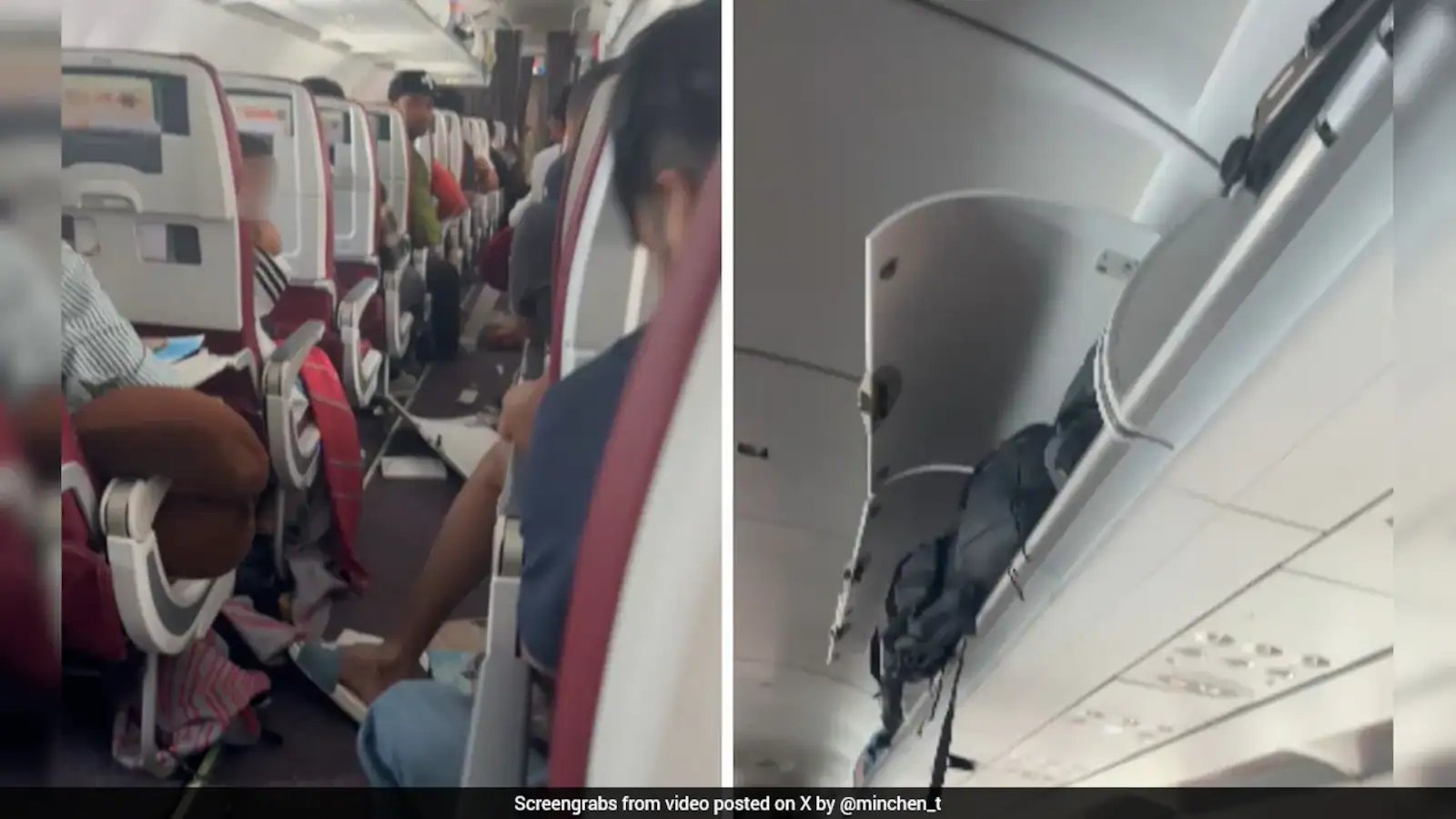
Flight AI-2379, carrying 137 passengers and eight crew members, encountered severe turbulence and a sudden 300-foot plunge during its cruise phase en route to Delhi from Phuket. At least 20 passengers and four crew members sustained injuries, with two crew members suffering spinal injuries near the tailbone and neck, according to Civil Aviation Minister Ram Mohan Naidu.
Sources revealed on Sunday that the pilot had initially tested positive for psychoactive substances during a post-flight screening in Delhi. A subsequent test was conducted, and on Tuesday, sources confirmed that this second test also yielded a positive result, specifically detecting marijuana.
Recounting the sequence of events, sources indicated that the pilot was not in their seat at the time of the incident, with the co-pilot reportedly in command of the Airbus A320neo. The aircraft plummeted 300 feet, which could have been due to pilot action, technical failure, or a hydraulic malfunction, leading to a “negative-G” scenario. During this event, the pilot and other unsecured items in the cockpit floated, while unstrapped passengers at the rear of the plane sustained serious injuries.
The Ministry of Civil Aviation released a statement later on Tuesday, announcing that the Aircraft Accident Investigation Bureau (AAIB) has launched an investigation into the incident. The AAIB is currently collecting and examining all relevant technical, operational, medical, and human-factor evidence. This includes scrutinizing the aircraft and its systems, flight data recorders, operational and maintenance records, medical information, and conducting interviews with involved personnel.
The ministry emphasized that all material evidence will be thoroughly reviewed before any conclusions are drawn. The investigation’s sole purpose is to determine the circumstances and contributing factors leading to the occurrence and to identify appropriate safety measures to prevent future recurrences. The ministry stressed the independent, evidence-based, and comprehensive nature of the investigation, advising against drawing inferences from isolated pieces of information while the probe is ongoing.