







![Pixel 11 Pro vs. iPhone 17 Pro: Can a re-run contend with a re-do [Video]](https://dailysamchar.in/wp-content/uploads/2026/08/Pixel-11-Pro-XL-and-iPhone-17-Pro-Max-design-3.jpg)
Pixel 11 Pro vs. iPhone 17 Pro: Can Google’s Latest Contend with Apple’s Market Leader?
As the mobile industry enters the latter half of 2026, the battle for the premium smartphone crown has reached a fascinating stalemate. With the iPhone 18 series looming on the horizon, Google has strategically launched the Pixel 11 Pro ahead of its primary rival. But as consumers weigh their options between the best of 2026 and the established titan of 2025, the question remains: does the Pixel 11 Pro have enough innovation to outshine the iPhone 17 Pro Max?
In a recent deep-dive comparison, we explored whether this year’s Google flagship manages to move the needle in an increasingly saturated market.
Design Refinement Over Radical Change
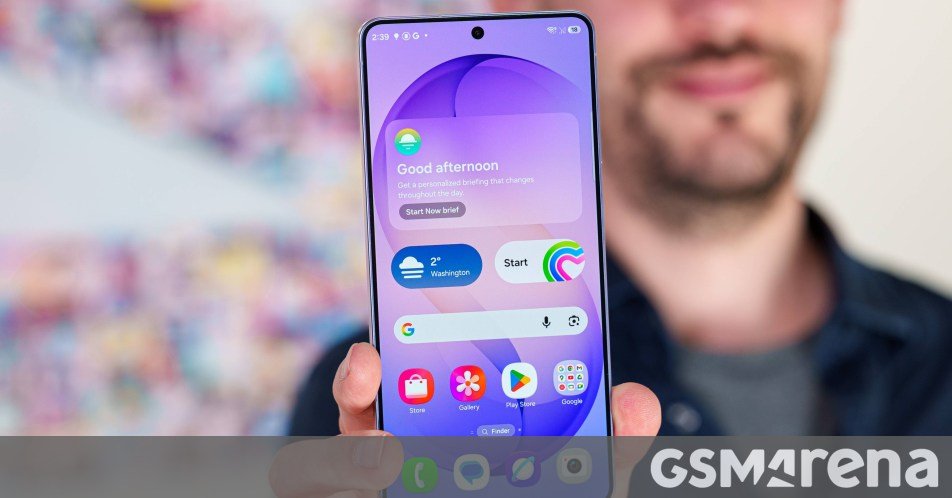
For years, the roles were reversed: Apple played it safe while Google experimented with bold, annual hardware pivots. This year, the script has flipped. The Pixel 11 Pro and Pro XL represent a refined iteration of a proven design language. It is a "if it ain’t broke, don’t fix it" approach that results in a polished, premium experience, even if it lacks the "wow" factor of a complete overhaul.
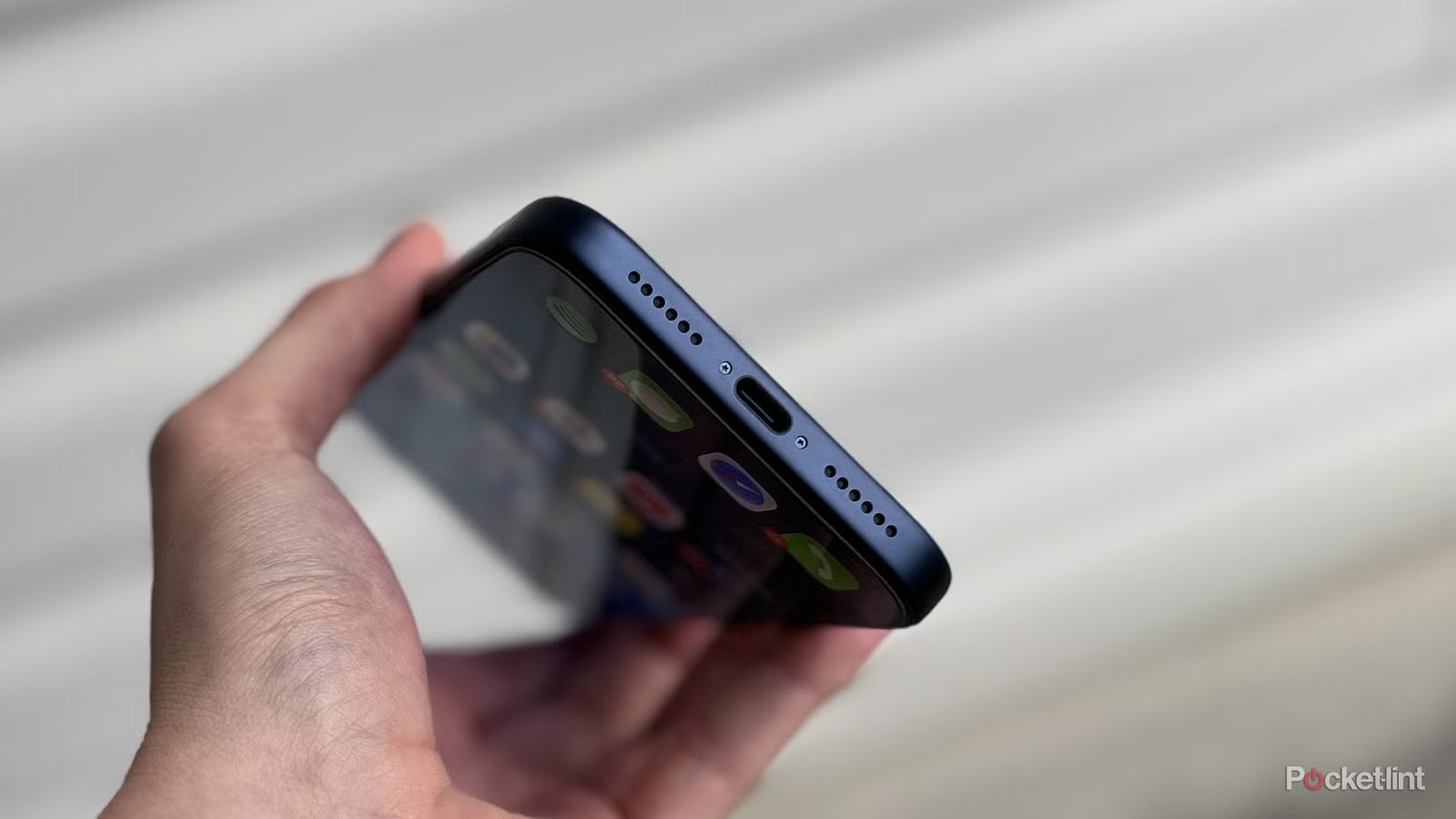
Conversely, Apple has opted for subtle but effective hardware changes, including the integration of the Action button and dedicated Camera Control buttons. While some have labeled these "gimmicks," they offer a tactile utility that sets them apart from the Pixel’s "HiLight" feature, which some critics feel leans too heavily on nostalgia rather than necessity. Furthermore, the iPhone retains its lead in accessory hardware, specifically with MagSafe, which offers a level of magnetic stability that the current generation of Pixelsnap still struggles to match.
The AI Arms Race
Artificial intelligence is the battlefield of 2026. With the rollout of Android 17, Google continues to double down on "Agentic AI." Gemini Intelligence is the cornerstone of the Pixel 11 experience, aiming to surface relevant information at the exact moment a user needs it.
Apple, meanwhile, is playing a high-stakes game of catch-up. By integrating Google’s own Gemini models as the foundational layer for a revamped Siri, Apple has drastically improved its assistant’s capabilities. However, Apple holds an edge in user experience and accessibility; iOS 27 provides nuanced controls over voice settings—such as speaking rate and response toggles—that are glaringly absent from the current Gemini implementation on Android.
Camera Philosophy: Hardware vs. Computation
The camera comparison highlights a fundamental divide in industry philosophy. The Pixel 11 Pro continues to champion computational photography, leaning heavily into tools like Video Boost, Magic Camera, and Pro Res Zoom. The result is consistently industry-leading skin tone reproduction thanks to the Real Tone engine.
However, photographers often prefer the iPhone 17 Pro Max’s approach. Apple tends to keep AI at arm’s length, prioritizing the performance of its physical camera hardware over heavy algorithmic processing. As AI continues to blur the line between "photography" and "image creation," Google’s heavy reliance on software may eventually face backlash from purists who believe the hardware should do more of the heavy lifting.
The Verdict: Is it a Worthy Upgrade?
Google’s strategy of releasing the Pixel 11 Pro before the iPhone 18 gives it a temporary window of relevance, but the device faces an uphill battle. When compared to the year-old iPhone 17 Pro, the Pixel 11 Pro risks feeling like a marginal update.
For the average consumer, the lack of a significant visual identity change—coupled with concerns regarding internal hardware value—makes the Pixel 11 Pro a difficult recommendation as a "must-have" upgrade. While its software, camera processing, and AI integration are undeniably world-class, the Pixel 11 Pro serves more as a polished evolution of the status quo than a transformative leap forward.