Expanding Visual Notifications: The Evolution of HiLight
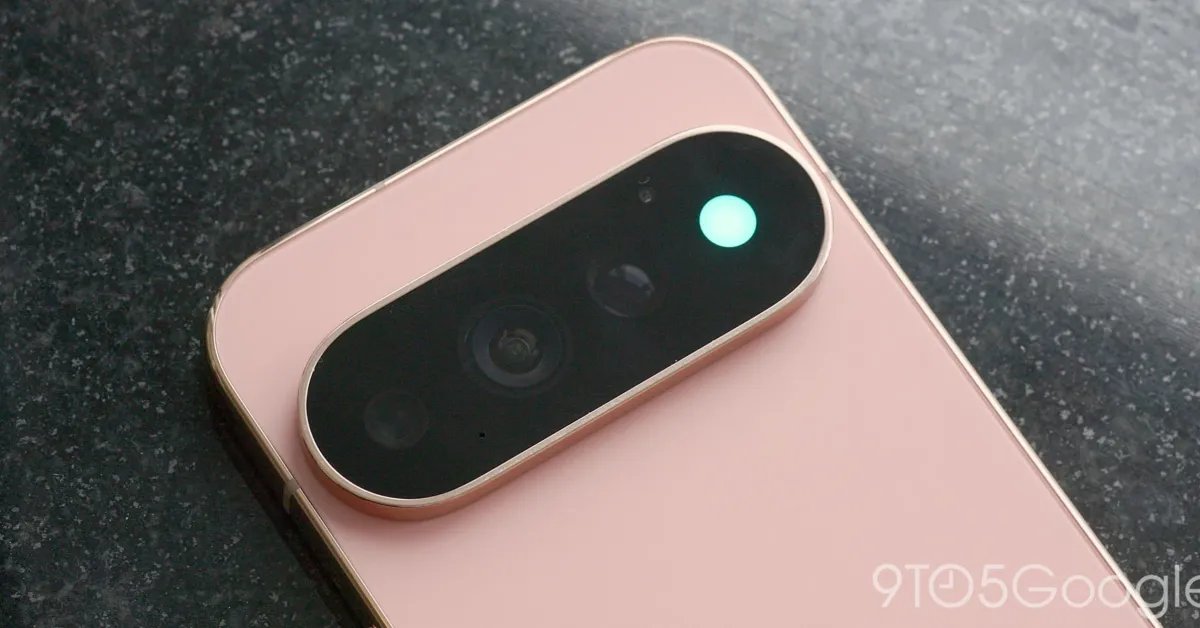
The Pixel 11 Pro series introduced a distinct hardware-software integration feature known as HiLight, designed to provide users with immediate, visual context regarding incoming communications. At its inception, the functionality was relatively limited, serving primarily as a specialized notification indicator for incoming voice calls. However, following the November 2026 Pixel Feature Drop, Google has significantly expanded the utility of this system. By integrating deep support for messaging applications, the feature has transitioned from a basic alert tool to a sophisticated priority management system for digital communication.
The core technology behind HiLight relies on the device’s ability to trigger specific, customizable light patterns or color profiles when a designated contact initiates communication. By assigning a unique color to a specific individual, users can determine the urgency or identity of a sender without having to view the display directly. This implementation aligns with a growing trend in mobile hardware that seeks to reduce screen-on time by offering peripheral, glanceable information.
Integration with Messaging Ecosystems
While the initial rollout focused on the native Google Messages application, the latest update accompanying Android 17 QPR2 brings the same level of granular control to third-party messaging platforms. Most notably, WhatsApp is now fully supported, allowing the hardware to differentiate between standard SMS/RCS traffic and incoming messages from the widely used messaging service.
This development addresses a common pain point for power users who manage multiple communication channels simultaneously. In previous iterations, users had to rely on standard notification sounds or haptic patterns, which are often uniform across various apps. By extending HiLight to WhatsApp, Google has enabled a more cohesive notification environment where the visual indicator remains consistent regardless of the platform used to send the message. The setup process remains intuitive, requiring users to define contact-specific color triggers within the device settings, which then propagate across the supported messaging ecosystem.
Technical Implementation and System Requirements
The functional expansion is made possible through the latest system update, Android 17 QPR2, which is currently rolling out to all Pixel 11 Pro devices globally. Technically, this update involves an enhancement to the notification listener service within the Android framework, allowing the HiLight hardware module to intercept and interpret metadata from secondary apps like WhatsApp.
Previously, the bridge between WhatsApp and the system-level hardware notification light was restricted to voice calls. By enabling message-based triggers, the OS now monitors the notification stream for specific sender IDs and maps them to the user-defined hardware color values. This requires a handshake between the messaging application’s notification API and the Pixel system firmware, ensuring that the light sequence is synced precisely with the arrival of the data packet. Users looking to verify their compatibility should ensure their device has successfully completed the November 2026 security and feature patch cycle.
Enhancing User Productivity and Focus
The primary use case for this advancement is the management of digital distractions. In environments where checking a phone frequently is either impossible or socially undesirable, the ability to recognize a message from a critical contact via a discreet light pulse is significant. For example, a user might assign a specific color to a project manager or a family member. When that person sends a WhatsApp message, the subtle visual alert informs the user that a high-priority communication has arrived, while other notifications remain silent and ignored.
By allowing users to curate their notification landscape, HiLight helps prioritize direct human interaction over generic application alerts. This contributes to a more controlled communication flow, where the device hardware assists in filtering the influx of data. As messaging continues to move away from traditional SMS toward encrypted, cross-platform services, this type of deep system integration becomes increasingly necessary to maintain a unified user experience.
Future Trajectory for Notification Hardware
The successful deployment of expanded HiLight support suggests a broader strategy for Google regarding the Pixel hardware line. By refining the intersection between physical hardware indicators and software-defined notifications, the company is creating a point of differentiation for its Pro-tier devices. The fact that WhatsApp, a third-party application, is receiving such deep integration indicates that Google is prioritizing an open, app-agnostic approach for these notification features.
Industry analysts expect that future iterations of Android will likely extend these API capabilities to other major communication platforms, such as Telegram, Signal, or Slack. If the current trajectory continues, HiLight could become a standard component of the user experience, moving beyond a simple visual gimmick to become an essential tool for managing the high volume of daily digital discourse. For now, Pixel 11 Pro owners have gained a robust tool to customize their interaction with one of the most popular messaging apps in the world, marking a meaningful step forward in mobile notification management.
Disclaimer: This content is auto-generated for informational purposes only.
Source: Read Original News