







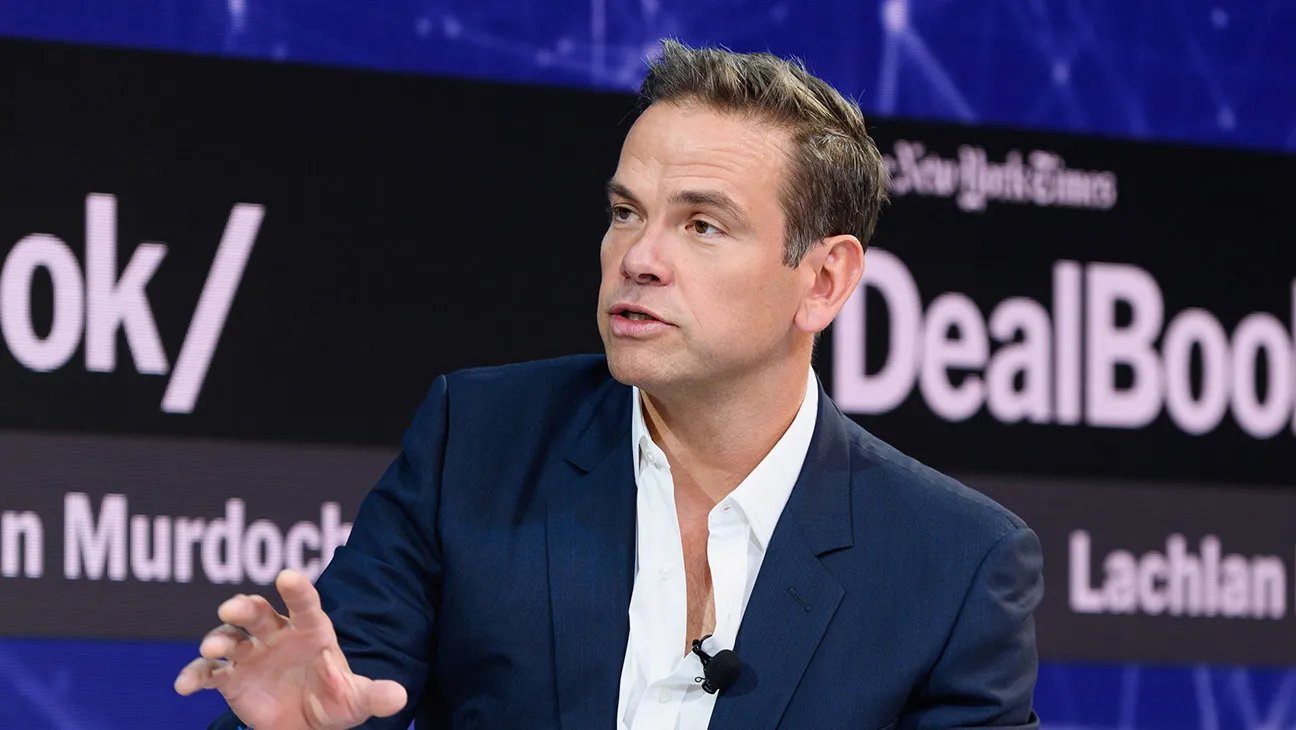
Fox Corp. has officially set a new financial benchmark, reporting record-breaking revenue for its fiscal first quarter as the media giant capitalized on a confluence of high-stakes sporting events and a heated national political climate. The company reported a staggering $4.57 billion in quarterly revenue, marking a 22% increase compared to the same period last year. Perhaps most notably, advertising revenue surged by 47%, underscoring the enduring power of live, linear television to draw massive audiences in an increasingly fragmented digital landscape.
The company’s net income climbed to $957 million, a significant jump from the $609 million reported in the year-ago period. This financial triumph, announced Monday morning, highlights how legacy media conglomerates are pivoting to maximize traditional advertising models even as the broader tech industry pivots toward programmatic and AI-driven ad platforms.
The “Live Event” Premium and Advertising Growth
The primary drivers behind Fox’s performance were the 2026 midterm election cycle and the global spectacle of the FIFA World Cup. In an era where streaming services are battling for subscriber retention, Fox continues to leverage its dominance in live sports and news to command premium ad rates. CEO Lachlan Murdoch emphasized that the company’s “focused strategy” is designed to exploit the intersection of high-engagement content and mass-market reach.
While tech giants like Google and Meta have spent the last year integrating generative AI into their ad-buying platforms to lower the barrier to entry for small businesses, Fox’s strategy remains rooted in the “eventization” of media. By anchoring its programming around the NFL, college football, and political coverage, Fox has created a “must-watch” ecosystem that provides a rare, predictable environment for big-budget advertisers. The success of this quarter serves as a testament to the resilience of live linear broadcasting, even as Alphabet and other tech leaders continue to push for a total shift toward digital-first advertising infrastructure.
The Interplay of Legacy Media and Modern Tech
Fox’s record-breaking numbers invite a broader discussion regarding the current state of the advertising industry. While companies like Google are deploying sophisticated AI tools—such as Gemini and Performance Max—to optimize ad placement and audience targeting, Fox’s success highlights that content quality and cultural relevance still act as the ultimate performance multipliers.
The advertising landscape is currently divided into two distinct growth paths: the algorithmic precision of platforms like Google Search and YouTube, and the massive, concentrated impact of traditional TV broadcasting. Fox’s ability to grow ad revenue by nearly 50% suggests that major advertisers are still heavily prioritizing large-scale, synchronous audiences for their most critical campaigns. However, as Fox continues to expand its digital footprint and streaming capabilities, the integration of data-driven targeting into their ad sales could bridge the gap between traditional broadcast power and the precision metrics provided by big tech.
Looking Ahead: Sustaining Momentum in a Competitive Market
Murdoch’s comments regarding a “thoughtful and disciplined” approach to shareholder value suggest that the company intends to maintain its aggressive stance on content investment. As the media landscape becomes more competitive, the pressure to innovate within the digital space is mounting. If Fox intends to sustain this momentum, it will likely need to explore how it can blend its massive live-event viewership with advanced digital advertising technology.
As the industry evolves, investors will be watching closely to see if Fox can maintain this trajectory without relying solely on cyclical events like elections. The challenge for legacy media in the coming years will be to mirror the ease and efficiency of tech-driven ad platforms while retaining the prestige and reach of the traditional networks. For now, however, Fox’s fiscal Q1 report stands as a powerful reminder that in a world of endless on-demand content, the ability to command a live, nationwide audience remains the most valuable asset in the media industry.
Disclaimer: This content is auto-generated for informational purposes only.
Source: Read Original News