







The Legacy of Polyarc: Pioneering Immersive Storytelling
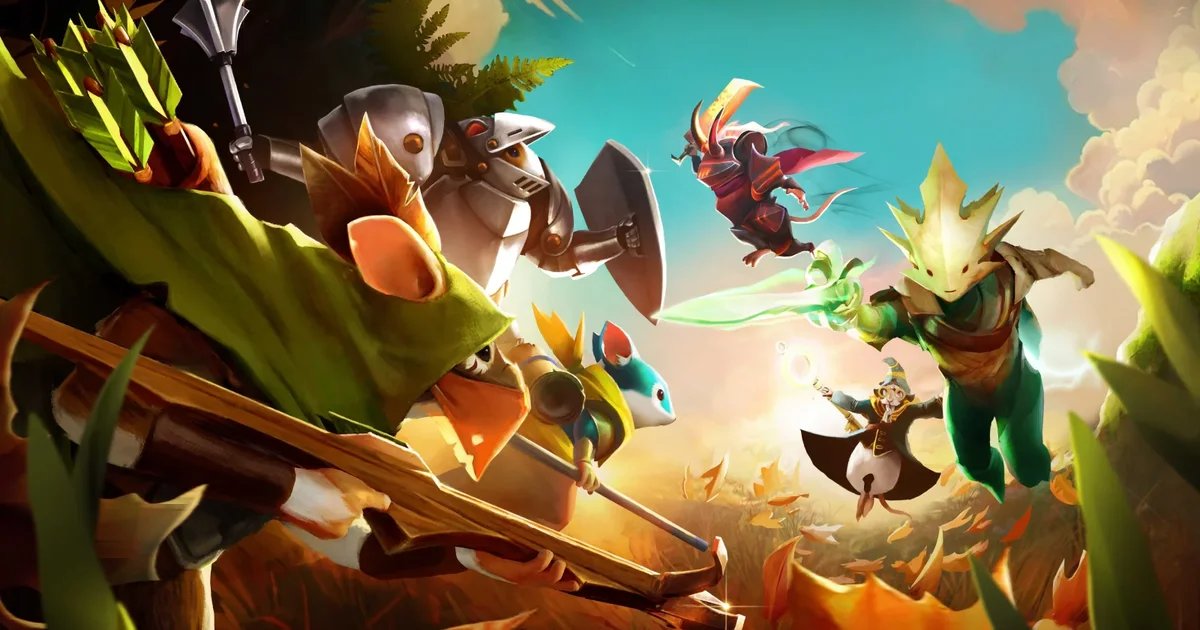
The closure of Seattle-based studio Polyarc marks the conclusion of a significant chapter in the history of virtual reality development. Founded in 2012, Polyarc quickly established itself as a creative powerhouse within the fledgling VR ecosystem. The studio gained global recognition through the Moss series, which introduced players to Quill, a tiny mouse protagonist who bridged the gap between the player and the digital environment. By focusing on tactile interaction and the perspective of a giant observer, Polyarc redefined how developers could approach third-person mechanics within a head-mounted display environment.
Over its twelve-year lifespan, the studio demonstrated an exceptional ability to blend traditional puzzle-adventure gameplay with the specific spatial requirements of immersive hardware. Their design philosophy prioritized physical presence, requiring players to lean, peer around corners, and reach into the world to solve environmental puzzles. This technical achievement allowed the Moss titles to become foundational software for VR platforms, proving that long-form narrative experiences were not only possible in VR but highly effective at fostering player engagement.
Technical Innovations in Spatial Interaction
Polyarc’s development strategy was centered on the concept of co-presence. Rather than placing the player directly into the eyes of the protagonist, the developers utilized a diorama-based approach. This technique allowed the studio to mitigate the common issues of motion sickness associated with early VR headsets while maintaining a high level of visual fidelity. Technically, the team utilized custom animation pipelines to make the interaction between the player and Quill feel reactive and meaningful.
The studio’s final project, Moss: The Forgotten Relic, serves as a testament to their technical adaptability. By porting both the original Moss and its sequel to flatscreen displays, Polyarc demonstrated that their core gameplay loops—centered on spatial awareness and intricate level design—could transcend the limitations of specific hardware. This transition to non-VR platforms was a strategic attempt to expand their audience reach, though it ultimately proved insufficient to sustain the studio’s operations in a difficult economic environment.
Market Challenges and the VR Industry Shift
The shuttering of Polyarc is not an isolated event but rather a reflection of the broader contraction currently affecting the VR and AR sectors. The industry has faced sustained pressure due to high development costs, a maturing but stagnant user base, and a significant shift in corporate capital allocation. Major players like Meta have significantly reduced their investments in dedicated gaming studios and high-end headset hardware, choosing instead to pivot toward artificial intelligence and AR-based smart glasses.
This pivot has left independent studios in a precarious position. The cancellation of an unnamed multiplayer VR project—a title that Polyarc had envisioned since its inception in 2015—highlights the difficulty of securing long-term funding for ambitious, experimental development. When development costs outpace the growth rate of the VR consumer market, even critically acclaimed studios find themselves unable to survive consecutive funding shortfalls. The layoffs reported in March 2025, followed by the eventual closure, illustrate the volatility inherent in studios reliant on venture capital and platform-exclusive support.
The Impact of Consolidation on Developers
The closure of a studio like Polyarc has an immediate impact on the talent pool. The studio’s management utilized a reverse recruiting strategy, publishing a spreadsheet of departing employees to assist them in finding new roles within the industry. This approach is becoming increasingly common as the gaming sector undergoes massive waves of restructuring. The loss of experienced VR engineers, narrative designers, and technical artists represents a significant outflow of specialized knowledge that has been cultivated over the last decade of immersive tech development.
As larger corporations like Meta pull back from internal game development—evidenced by the closing of Armature, Sanzaru, and Twisted Pixel—the burden of innovation falls back on a shrinking number of independent developers. This consolidation risks reducing the diversity of experiences available to consumers. The disappearance of a studio that specialized in family-friendly, high-polish narrative titles leaves a void that few other teams are currently positioned to fill, given the current financial constraints of the VR market.
Future Outlook for Immersive Media
While the closure of Polyarc is a blow to the VR development community, the studio leaves behind a robust portfolio. The Moss series remains accessible across multiple storefronts, and the techniques developed by the team will likely influence future iterations of spatial computing interfaces. The lessons learned by Polyarc regarding user interaction and the handling of virtual camera systems have been documented in developer post-mortems and industry discussions, ensuring their influence persists beyond the studio’s operational lifespan.
Looking forward, the industry is transitioning into a phase where immersive experiences must prove their value outside of dedicated gaming circles. With the decline of premium VR hardware like the Meta Quest Pro, the focus is shifting toward integrated AI-driven experiences and AR utility. While this shift may provide new commercial avenues, it emphasizes a move away from the handcrafted, narrative-focused adventure games that defined the early years of the VR boom. Polyarc stood as an exemplar of that era, and their departure signals the definitive closing of a decade-long experiment in high-fidelity VR storytelling. The legacy of Quill and the innovative design of Polyarc’s worlds will continue to serve as a benchmark for designers who seek to craft meaningful, interactive experiences in the digital realm.
Disclaimer: This content is auto-generated for informational purposes only.
Source: Read Original News