








The Mechanics of Inflation in the Poultry Supply Chain
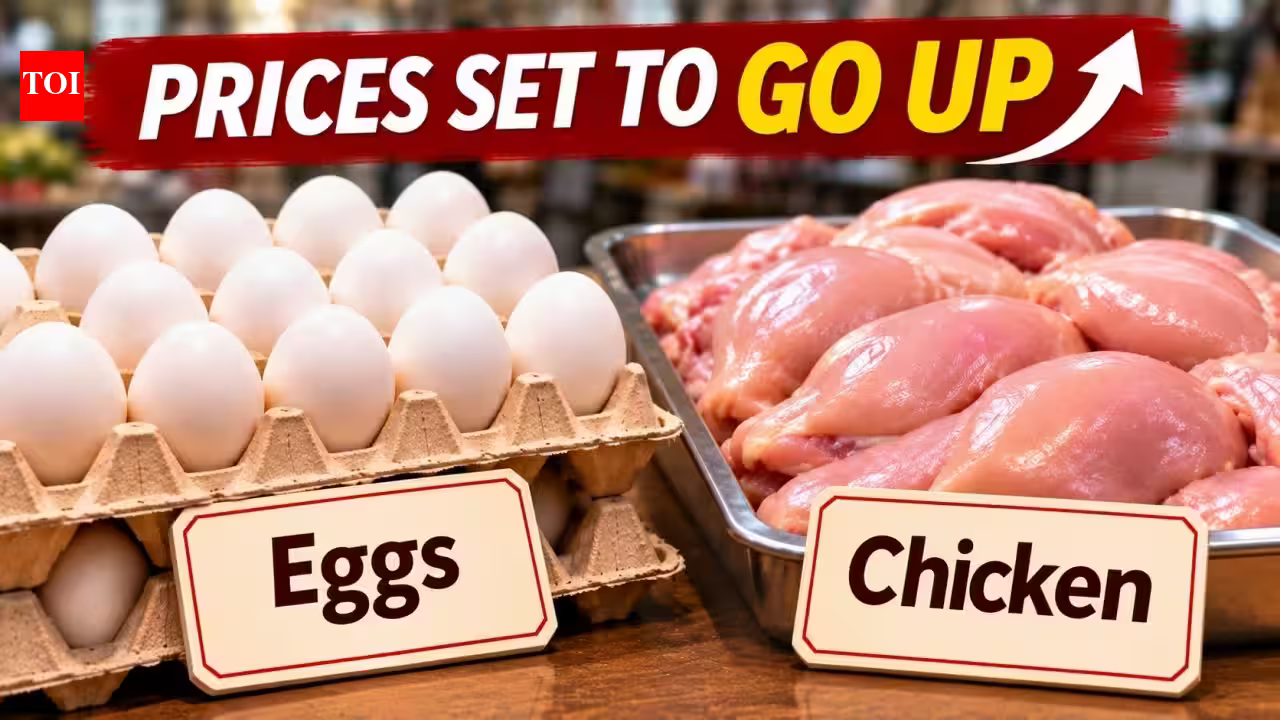
The Indian poultry sector is currently facing a structural challenge that threatens to disrupt the affordability of essential proteins for the average consumer. As market data indicates a projected 25-30 percent increase in the prices of eggs and chicken by December, the primary driver is not a shift in consumer demand, but rather a drastic escalation in input costs. The poultry industry relies heavily on maize and broken rice as the foundation for feed. When the cost of these raw materials surges by 30 to 45 percent within a single month, the ripple effect on end-product pricing becomes inevitable.
From a business perspective, the poultry value chain is highly sensitive to grain price volatility. Because feed accounts for a significant majority of the total cost of production for both broiler chicken and egg-laying hens, there is limited room for operational efficiency to offset such sharp input spikes. Unlike industries that can substitute raw materials or adjust manufacturing processes to lower costs, the poultry sector is biologically bound to specific nutritional requirements. When the price of maize—a core energy source in feed—nearly doubles year-on-year, transitioning to alternative grains often yields little financial relief, as those substitutes frequently track the upward trend of the primary commodity.
Market Dynamics and the Supply-Demand Mismatch
The current market environment is characterized by a supply-side constraint that shows few signs of immediate resolution. The underlying cause stems from both agricultural output issues and supply chain hoarding. A deficient monsoon in key states such as Maharashtra and Karnataka has placed immense pressure on kharif maize production. Industry estimates suggest a decline of 15 to 16 percent in output, creating a natural scarcity that elevates market prices. However, the situation is compounded by the speculative behavior of intermediaries who are stockpiling maize in anticipation of further price hikes heading into the peak consumption months of December and January.
This speculative hoarding creates an artificial inflation layer on top of the existing supply shortage. When essential agricultural inputs are diverted from the market into private storage, liquidity in the wholesale trade dries up, forcing poultry integrators and farmers to pay premiums to secure feed. Furthermore, the broader economic context includes the increasing diversion of maize toward ethanol production, a government-promoted initiative that competes directly with the poultry industry for the same grain supply. This convergence of decreased agricultural yields and increased industrial competition for raw materials has created a “perfect storm” for feed manufacturers and livestock producers.
Operational Challenges for Poultry Integrators
For large-scale players like Venkateshwara Hatcheries and other industry stakeholders, the primary difficulty lies in the asymmetry between production costs and retail price elasticity. While the wholesale price of dressed chicken is expected to climb from the current range of Rs 225-250 to as much as Rs 275 per kg, producers are finding that they cannot fully pass these costs on to the consumer without risking a significant contraction in demand. The Indian consumer market is particularly sensitive to price increases in essential food items, and sustained high prices for eggs and chicken can lead to a shift in dietary habits, which in turn hurts long-term industry volume.
Compounding this is the tactical decision-making process occurring at the farm level. As feed costs become prohibitive, farmers are increasingly choosing to sell younger birds rather than rearing them to full market weight. This practice, while effective in reducing the total feed expenditure per unit, results in lower total weight and reduced overall output. Industry projections indicate that this, combined with the difficulty of maintaining flock sizes in a high-cost environment, could lead to a reduction in production of over 20 percent during the peak winter season. This creates a feedback loop: lower supply leads to higher prices, which sustains the inflationary cycle throughout the fiscal quarter.
The Broader Impact on Indian Food Inflation
The expected price hike for eggs and chicken has significant implications for the wider Indian food inflation index. Eggs and chicken are primary sources of protein for a large segment of the population, and any sustained increase in these prices contributes directly to the household budget of millions of families. When poultry prices rise, they often influence broader food inflation metrics, complicating the central bank’s management of interest rates and economic stability.
Historically, the industry has managed price shocks by rotating through different cereals like jowar, bajra, and ragi. However, the current situation is unique in that the price surge is not limited to a single crop; rather, the entire coarse cereal complex is witnessing price increases. This lack of a viable, cost-effective substitute means that the industry is trapped in its current high-cost structure. The inability to pivot to cheaper grains removes the standard cushion that has historically protected the industry from such rapid inflation, making the current outlook more precarious than in previous years.
Strategic Outlook and Future Mitigation
Looking forward, the industry must grapple with a future where input price volatility may become the norm rather than the exception. The competing demands for maize—between food, animal feed, and fuel—will likely continue to strain supply chains unless there is a significant intervention in agricultural productivity or storage infrastructure. For poultry business owners, the current crisis highlights the necessity for better long-term procurement strategies and, perhaps, more investment in supply chain transparency to mitigate the impact of middleman hoarding.
While December and January typically represent a peak in consumption due to holiday festivities, the current industry response is focused on survival rather than profit maximization. The industry is currently in a defensive posture, where the priority is managing flock health and feed efficiency while hoping for a stabilization in raw material costs as the market moves toward the next harvest cycle. However, until the supply of maize and rice becomes more balanced, consumers and producers alike will have to navigate a period of heightened price levels. For the Indian poultry sector, this serves as a critical reminder of the vulnerability of animal husbandry to climatic risks and the critical need for diversified feed sourcing in a complex, multi-demand agricultural economy.
Disclaimer: This content is auto-generated for informational purposes only.
Source: Read Original News