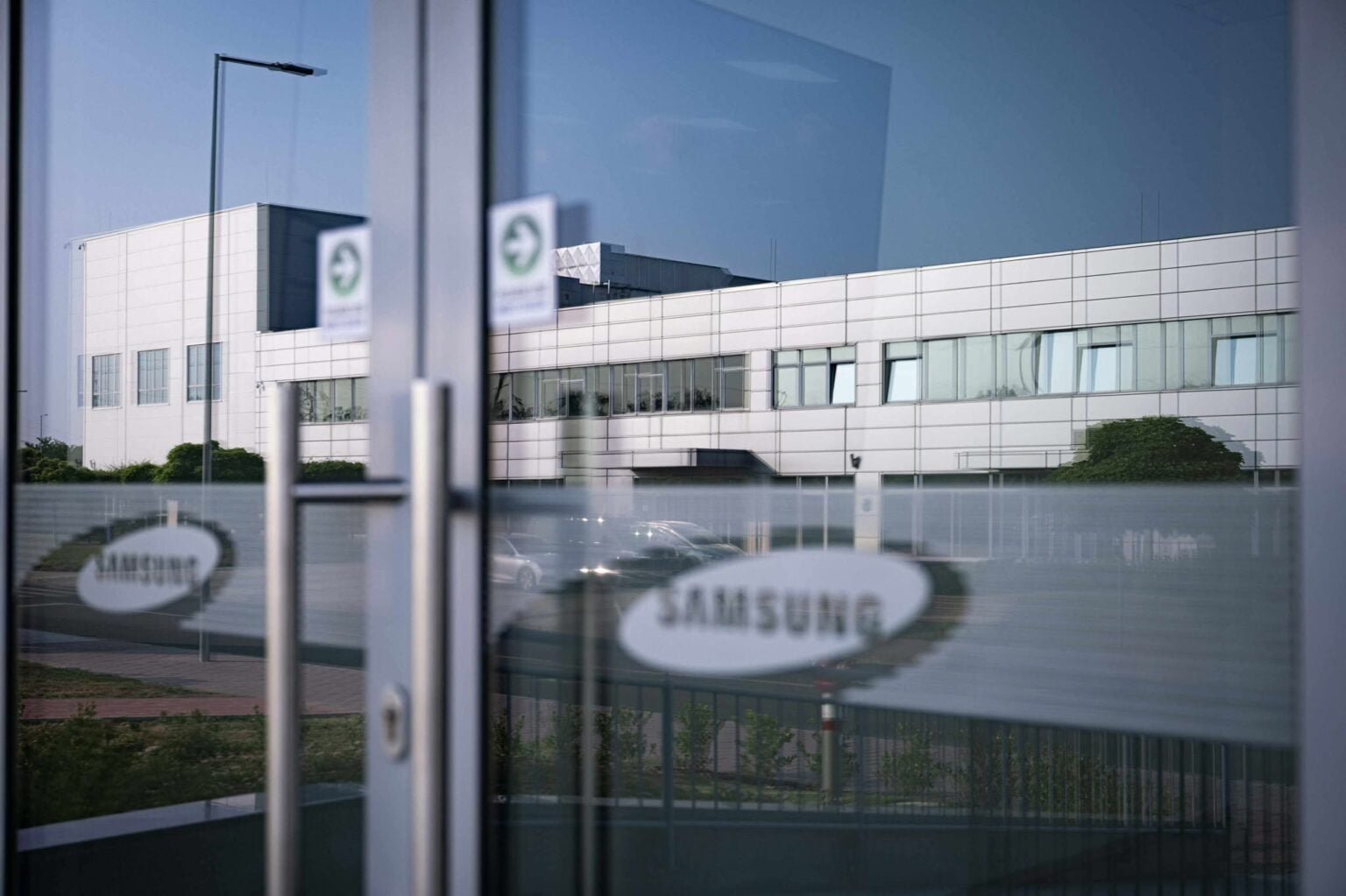
Major South Korean battery manufacturers operating in Hungary have committed to a new framework of corporate responsibility, pledging to elevate standards in environmental protection, workplace safety, and human rights. This initiative, formalized through a memorandum of understanding signed in Budapest this week, marks a significant shift toward a more transparent and sustainable industrial ecosystem for the country’s rapidly expanding battery sector.
The memorandum was signed by representatives of leading industry players—including Samsung SDI, SK On, EcoPro BM, Dongwha Electrolyte, W-SCOPE, and SungEel HiTech—in the presence of the South Korean Minister of Trade, Park Jung-sung, and officials from the Korea Trade-Investment Promotion Agency (KOTRA). The agreement serves as a roadmap for how foreign investors intend to integrate their operations more harmoniously with Hungarian society.
The declaration centers on three primary pillars. First, regarding environmental protection, the companies have committed to rigorous monitoring and mitigation efforts to safeguard local soil, water, and air quality. This includes a promise of transparent, ongoing communication with local communities, addressing a long-standing point of tension in areas surrounding industrial hubs like Göd. Second, the companies pledged to reinforce safety protocols not only within their own production sites but across their entire supply chains. Third, the agreement mandates strict adherence to international human rights and labor standards, with particular emphasis on ensuring equitable treatment for temporary, foreign, and contract workers.
South Korea currently stands as Hungary’s third-largest trading partner and third-largest foreign investor, with bilateral industrial cooperation growing by 10 percent in 2026. During the summit, Minister Park emphasized that the presence of South Korean firms in Hungary is no longer limited to simple assembly tasks. Instead, he described the formation of an integrated technological ecosystem, where battery manufacturing serves as the anchor for broader advancements in electric mobility, robotics, and renewable energy.
However, the commitment to these voluntary standards is paired with a clear expectation of the Hungarian government. During discussions with Hungarian Minister of Economy and Energy István Kapitány and Deputy Prime Minister Anita Orbán, Minister Park advocated for a stable and predictable regulatory environment. He noted that while South Korean companies are strictly committed to complying with Hungarian law, the consistency and transparency of administrative procedures remain fundamental prerequisites for the long-term security of multi-billion-euro investments.
The Hungarian government has reciprocated this commitment to partnership, albeit with firm conditions. Minister Kapitány underscored that while Hungary welcomes the investment, there will be zero tolerance for compromises regarding environmental safety or labor rights. The talks resulted in a firm consensus that both international and national regulations must be upheld without exception.
To ensure that these promises do not remain merely symbolic, the participating corporations have committed to ongoing dialogues with Hungarian authorities and local stakeholders. These periodic reviews are intended to evaluate progress on their voluntary commitments and adjust strategies as the industry evolves. As the demand for electric vehicle components continues to rise, the ability of these South Korean giants to balance industrial output with the environmental and social concerns of local residents will likely dictate the long-term success of Hungary’s “green” battery strategy. Through this memorandum, both nations are signaling an intent to transition from a model of rapid industrial growth to one of sustainable, regulated integration.
Disclaimer: This content is auto-generated for informational purposes only.
Source: Read Original News