








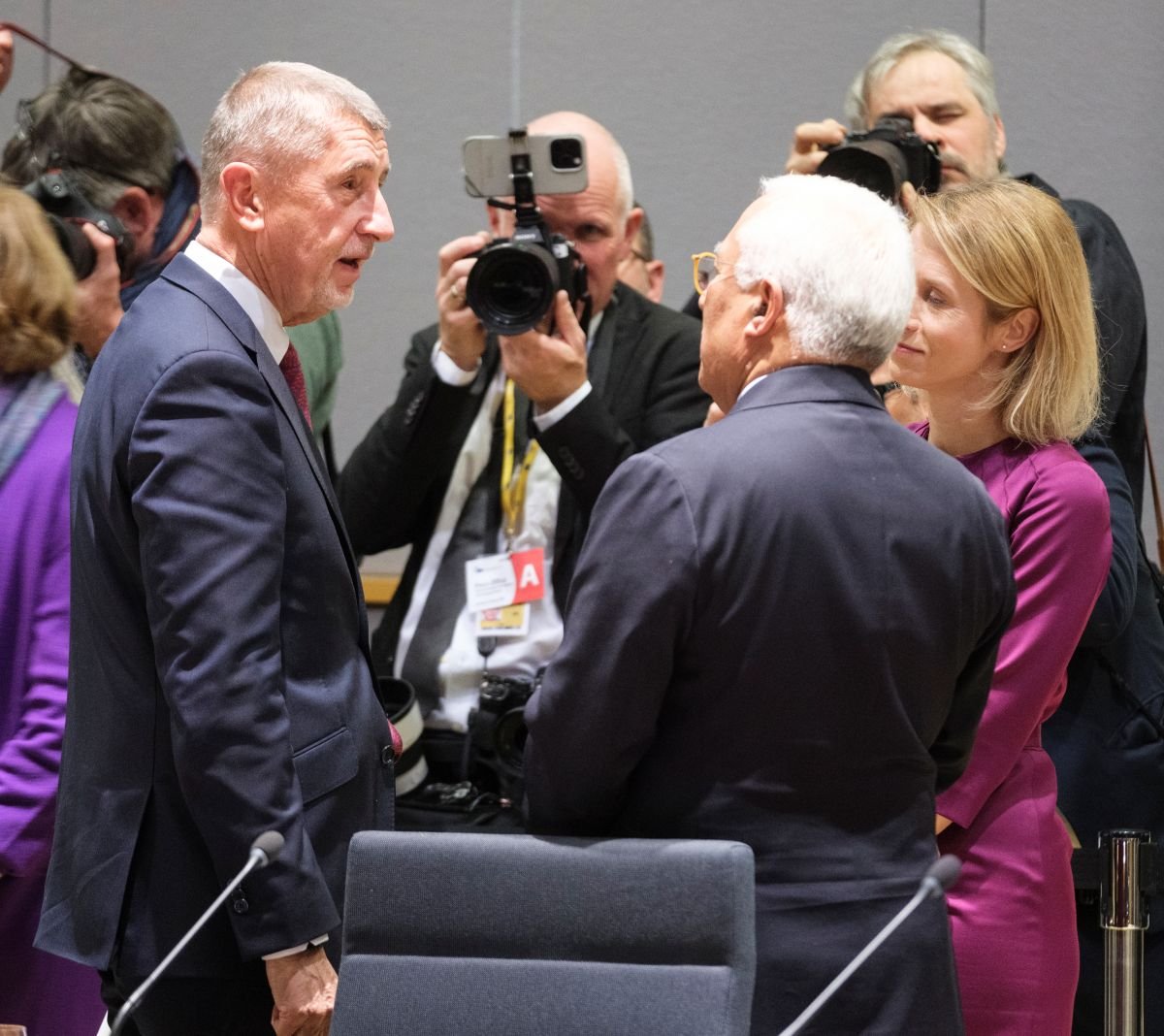
Andrej Babiš Slams EU Carbon Pricing: ‘It’s Destroying Our Industry’
PRAGUE — Former Czech Prime Minister Andrej Babiš has launched a scathing critique of the European Union’s climate policy, arguing that the bloc’s current carbon pricing mechanisms are inflicting irreparable damage on European manufacturing and industrial competitiveness.
During a recent parliamentary address, the leader of the opposition ANO party did not mince words, characterizing the escalating costs associated with the Emissions Trading System (ETS) as a direct existential threat to the continent’s economic base. “The European carbon price is destroying our industry,” Babiš declared, framing the policy as an uncompetitive burden that forces companies to choose between insolvency or relocating operations outside of the EU.
A Growing Political Friction Point
Babiš’s comments reflect a broader, intensifying debate within Central Europe regarding the pace and cost of the EU’s “Green Deal” transition. As industrial energy costs remain volatile, the financial pressure placed on heavy industry—particularly in the automotive, steel, and chemical sectors—has become a central pillar of political campaigning in Prague and beyond.
The criticism comes at a pivotal moment as member states prepare for complex discussions surrounding the bloc’s multi-year financial framework. There is growing sentiment among regional leaders that the transition to a net-zero economy must be tethered to more flexible fiscal support. Indeed, high-level discussions are currently underway to potentially tie the EU carbon price to broader negotiations regarding the massive €2 trillion long-term budget.
The Conflict of Priorities
The argument presented by Babiš and his allies is that the current market-based approach to emissions ignores the immediate reality of global market pressures. Critics of the current ETS framework argue that while the policy successfully incentivizes decarbonization, it lacks the necessary safeguards to protect domestic industries from cheaper, carbon-intensive imports from countries with laxer environmental regulations.
“We are essentially paying for our own deindustrialization,” a spokesperson for the ANO party added, echoing Babiš’s sentiment.
Proponents of the carbon price, however, maintain that the ETS is the most efficient tool for driving the technological innovation required to reach climate neutrality by 2050. They argue that shielding industries from the true cost of their emissions would only delay the necessary shift toward sustainable energy, leaving European firms even more vulnerable to future shifts in the global economy.
Looking Ahead
As the Czech political landscape gears up for future elections, the rhetoric surrounding energy costs and industrial sovereignty is expected to harden. The demand to link environmental mandates with budget flexibility represents a significant challenge to Brussels’ centralized climate strategy.
Whether these calls for a policy overhaul will gain traction during upcoming budget negotiations remains to be seen. However, Babiš’s stance highlights a growing chasm between the EU’s climate ambitions and the concerns of industrial heartlands, setting the stage for what promises to be a contentious debate in the European Council.