






The Enduring Legacy of the Nintendo GameCube
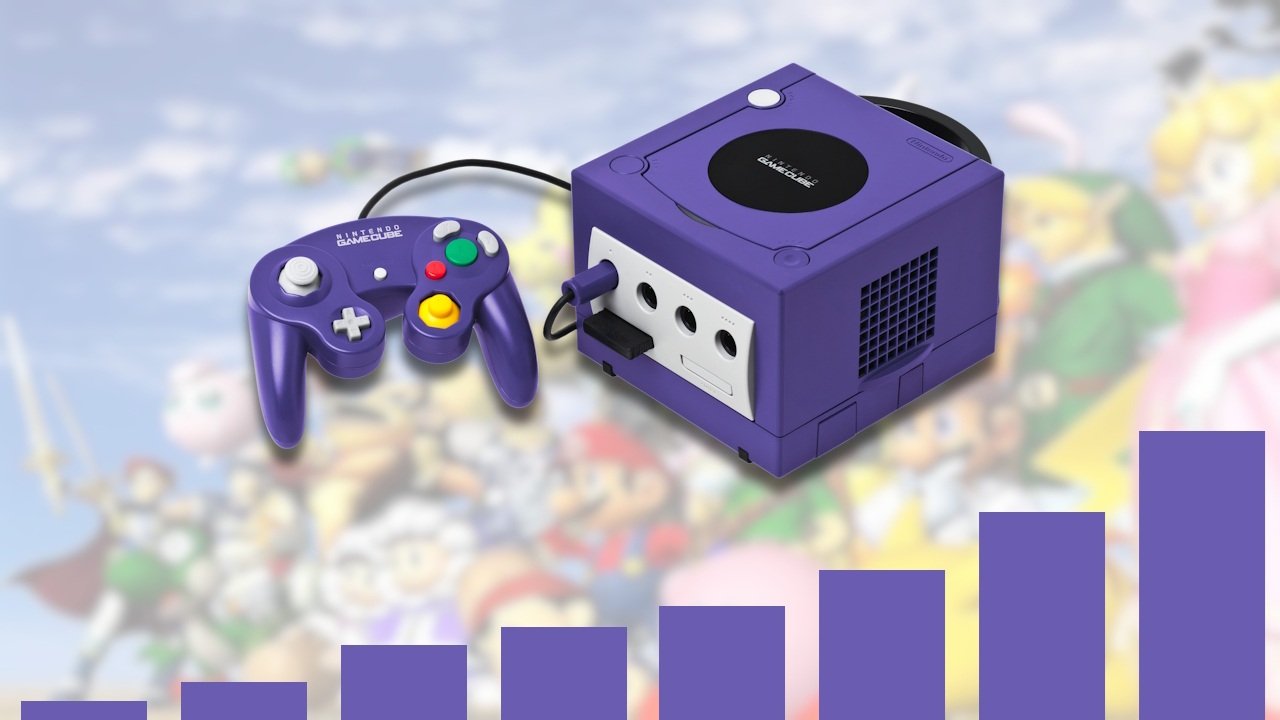
The gaming industry recently marked a significant milestone as the Nintendo GameCube celebrated its 25th anniversary. To commemorate this event, Mat Piscatella of the market research firm Circana released definitive data regarding the platform’s performance in the United States. By analyzing historical unit sales, this data provides a quantitative look at which titles defined a generation of hardware known for its distinct design and robust software library.
The GameCube was released during a highly competitive era of home consoles, contending against the Sony PlayStation 2 and the original Microsoft Xbox. Despite the fierce market dynamics of the early 2000s, the GameCube established a loyal following by prioritizing local multiplayer experiences and highly polished first-party franchises. The newly released sales figures confirm that Nintendo’s internal development teams were the primary drivers of the console’s commercial success, claiming the vast majority of the top twenty positions.
Dominance of First-Party Intellectual Property
The list of the twenty best-selling titles is heavily weighted toward Nintendo’s core franchises. Super Smash Bros. Melee secures the top spot, a result that aligns with the game’s status as a cornerstone of the competitive fighting game community and a staple of social gaming during the early 2000s. Following in second and third place are Super Mario Sunshine and Mario Kart: Double Dash. These titles effectively utilized the GameCube’s unique hardware capabilities, such as the proprietary optical disc format and the controller’s specific analog input range, to deliver experiences that remain benchmarks for their respective genres.
The presence of titles like Luigi’s Mansion, Metroid Prime, and The Legend of Zelda: The Wind Waker underscores the importance of Nintendo’s brand identity. These games were not merely software releases; they were technical demonstrations of the console’s power, specifically regarding its ability to render stylized art and complex 3D environments. The dominance of these games highlights a consistent strategy: relying on high-fidelity, high-fun-factor gameplay to maintain a sustainable user base.
Third-Party Representation and Market Trends
While Nintendo titles occupy the upper echelon of the list, third-party developers played a crucial role in filling out the broader catalog. Sonic Adventure 2: Battle represents the highest-charting third-party title, landing at the eighth position. This success signifies the shifting landscape of the era, where the traditional rivalry between Nintendo and Sega had dissolved, allowing Sega to pivot toward multi-platform software development.
Sonic Mega Collection and Sonic Heroes also appear in the top fifteen, indicating a strong appetite for Sega’s mascot on Nintendo hardware. Other notable third-party inclusions include LEGO Star Wars, Star Wars: Rogue Squadron 2: Rogue Leader, Super Monkey Ball, and Soulcalibur 2. The placement of these games reveals that users were interested in high-quality ports and arcade-style experiences that complemented Nintendo’s slower-paced, exploration-heavy titles. It is worth noting that Resident Evil 4, despite its critical acclaim and cultural influence, sits just outside the top twenty at rank 21, demonstrating how even highly successful games could be eclipsed by the sheer volume of high-performing Nintendo-published software.
Technical Impact and Architectural Constraints
From a technical perspective, the GameCube was a departure from its predecessors. The system utilized an IBM-designed Gekko processor and an ATI Flipper graphics chip, which provided a unique development environment. This architecture was famously compact and efficient, allowing for impressive lighting and geometry processing that, in many cases, outperformed competitors.
The sales data reflects how developers adapted to the GameCube’s 8cm optical disc format. While the smaller capacity occasionally forced developers to compress assets or limit the amount of pre-rendered video, the games that sold the most were those that optimized memory usage and focused on core mechanics. The success of games like Paper Mario: The Thousand-Year Door and Mario Party 4 serves as a case study in how to leverage stylized visuals to maintain longevity, ensuring that these games remain visually coherent even when played on modern displays.
The Legacy of Sales Data and Modern Preservation
The release of these statistics provides more than just a trip down memory lane; it serves as a resource for industry analysts and historians studying software adoption rates. Understanding which games drove unit sales helps clarify the historical value proposition of the GameCube: a machine built for accessible, couch-based multiplayer gaming.
The methodology used by Circana—tracking unit sales rather than revenue—is particularly effective at showing the reach of specific games within the install base. By quantifying the popularity of titles like Kirby Air Ride and Mario Golf: Toadstool Tour, we gain insight into the diversification of the GameCube’s player profile. These titles bridged the gap between casual and core demographics, expanding the console’s influence beyond the standard action and platforming genres.
As the industry moves toward digital distribution and subscription models, the historical performance of the GameCube reminds us of the value of singular, high-quality physical releases. The fact that these twenty games continue to be discussed and played today speaks to their fundamental design quality. The data confirms that while the hardware age of the GameCube may have passed, the software library remains a primary reference point for excellence in game design and commercial viability.
Disclaimer: This content is auto-generated for informational purposes only.
Source: Read Original News