








The Resurrection of an Overlooked 16-Bit Legacy
The Super Nintendo Entertainment System remains a cornerstone of role-playing game history, widely celebrated for titles that defined the genre. While names like Chrono Trigger and Earthbound have long enjoyed widespread recognition, a significant portion of the platform’s library remained buried under the weight of limited physical releases and regional exclusivity. During the recent PC Gaming Show at the Tokyo Game Show, the industry witnessed a significant correction to this historical imbalance: the official announcement that Lufia and its successor, Lufia II, are coming to Steam under the title Lufia I & II: The Sinistrals Saga.
This release represents a landmark moment for preservation. For decades, these titles were relegated to the secondary market, where their scarcity made them inaccessible to all but the most dedicated collectors. By bringing these games to modern hardware, the developers are not merely porting software; they are providing a gateway to an era of design that emphasized narrative depth and mechanical experimentation, long before the industry converged on standardized JRPG tropes.
Understanding the Sinistrals Saga
The Lufia series, originally developed by Neverland and published by Taito, offers a distinct narrative structure that spans across two distinct time periods. In the original title, released in 1993, players encounter a world grappling with the shadow of a floating fortress and a group of antagonistic demigods known as the Sinistrals. The plot follows the descendants of legendary heroes who once attempted to halt these entities, bridging the gap between historical failure and current destiny.
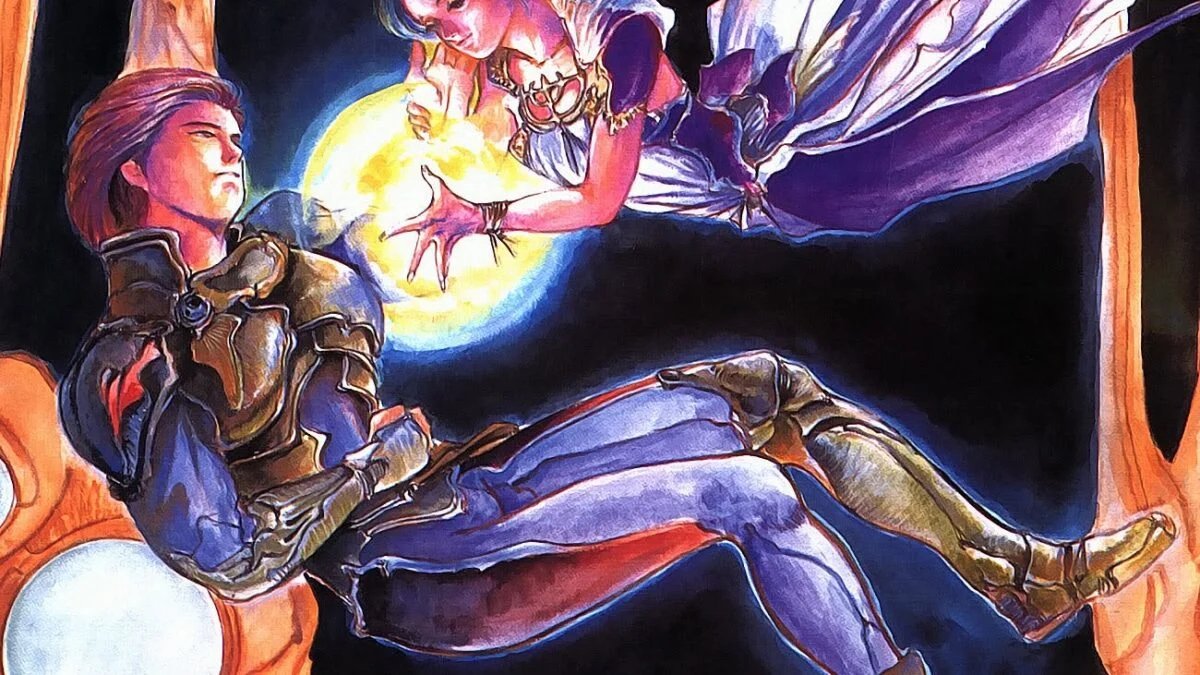
The sequel, which serves as a prequel, is widely regarded by enthusiasts as the superior experience. It chronicles the initial war against the Sinistrals, offering a technical and artistic evolution over its predecessor. With a painterly aesthetic upgrade and a more refined approach to turn-based combat, Lufia II demonstrated how developers of the era were pushing the limits of the Super Nintendo’s hardware. The ability to experience both games in a unified collection allows modern players to appreciate the internal consistency of the world-building and the progression of design philosophy that occurred during the mid-nineties.
Technical Refinements and Gameplay Mechanics
The appeal of the Lufia series lies in its departure from the standard tropes of its contemporaries. While the first entry featured a more traditional approach to role-playing mechanics, the series is perhaps best known for its integration of puzzle-heavy dungeon crawling. Unlike many games of the period, where combat was the primary means of progression, Lufia emphasized spatial awareness and environmental challenges.
The combat system in the second installment is particularly noteworthy for its focus on tactical positioning and efficiency. By tightening the mechanics, the developers managed to reduce the frustration often associated with random encounters, turning them into opportunities for strategic decision-making. The combination of high-quality orchestral-style chiptune music and intricate dungeon design helped define the series as a cerebral alternative to the action-oriented RPGs that dominated the market. For players unfamiliar with these systems, the re-release serves as a prime study in how early 16-bit developers balanced turn-based mechanics with non-combat problem solving.
Impact on Modern Game Preservation
The announcement of Lufia I & II: The Sinistrals Saga coincides with a broader industry trend toward the rescue of cult classics. This movement, supported by publishers like Clear River Games, acknowledges that the heritage of the Super Nintendo era is far larger than the handful of titles that historically received widespread marketing. By leveraging Steam as a distribution platform, these companies are ensuring that software once destined to fade into obsolescence is rendered compatible with modern display standards and input devices.
The significance of this release extends to the legacy of the development studio, Neverland. The team eventually pivoted to create the Rune Factory series, a fusion of role-playing and agricultural simulation that has become a staple of the genre. Understanding the lineage of the developers—starting from the tight-knit dungeon designs of Lufia—provides fans with a greater appreciation for how the mechanics of modern farming and exploration games were seeded in the DNA of their earlier projects.
A Faithful Return to Form
As players look forward to the 2026 release, the primary promise from the publishers is a pixel-faithful experience. This commitment to authenticity ensures that the visual identity, which was so carefully crafted in the 1990s, remains intact for a new generation. In an era where many remakes prioritize high-definition models that often strip away the original charm of 2D art, the decision to retain the pixel-perfect presentation is a deliberate choice to honor the source material.
This release is more than a commercial endeavor; it is a cultural reclamation. As the gaming industry faces challenges regarding the accessibility of its history, the arrival of such titles on PC platforms provides a sustainable way to maintain continuity between the past and the future. Whether for the nostalgic player seeking to revisit a childhood favorite or a newcomer interested in the roots of turn-based role-playing systems, Lufia I & II: The Sinistrals Saga stands as a vital addition to the digital libraries of those who value the artistry of early console gaming. Through these efforts, the once-obscure legends of the Sinistrals will finally receive the wider recognition they have earned through years of enduring reputation.
Disclaimer: This content is auto-generated for informational purposes only.
Source: Read Original News