







Leaders of Russia, China, and Iran Converge in Bishkek for High-Stakes SCO Summit
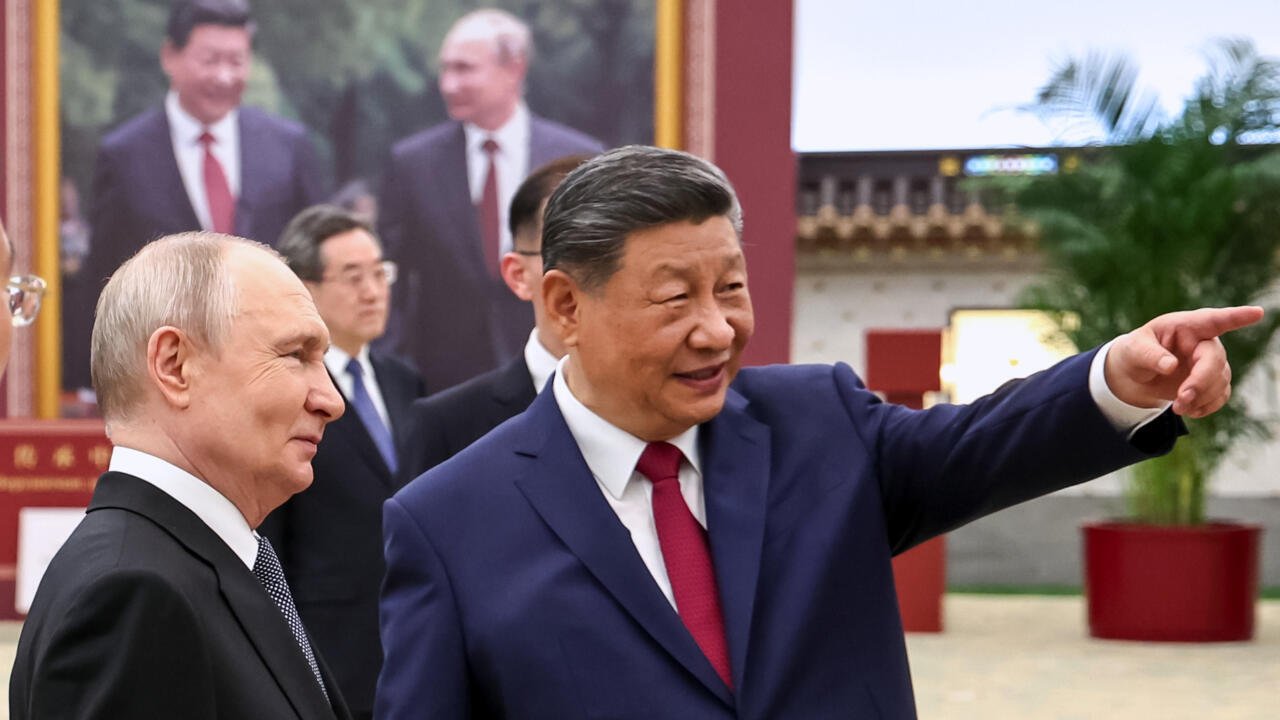
BISHKEK – A coalition of world leaders, including Russian President Vladimir Putin and Chinese leader Xi Jinping, are arriving in the Kyrgyz capital of Bishkek this Monday for a pivotal two-day summit of the Shanghai Cooperation Organisation (SCO). As the regional bloc celebrates its 25th anniversary, the gathering is being framed by observers as a calculated effort to solidify a non-Western alternative to the current global order.
The summit brings together a powerful, albeit diverse, group of nations, including India, Pakistan, Iran, four Central Asian states, and the Moscow-aligned Belarus. For heads of state like Putin and Xi, the meeting serves as a primary venue to promote a vision of a “multipolar world” while presenting a united front against what they characterize as Western hegemony.
A Summit Defined by Geopolitical Tensions
The meeting comes at a volatile moment in international relations, occurring four-and-a-half years into Russia’s full-scale invasion of Ukraine and amid a deepening conflict between Washington and Tehran.
Adding to the intensity of the summit, Kremlin spokesman Yuri Ushakov confirmed that President Putin is expected to hold high-level bilateral discussions with both Xi Jinping and Iranian President Masoud Pezeshkian. These meetings are likely to focus on strengthening the deepening military and economic ties between Russia and Iran—two of the world’s most heavily sanctioned nations.
The geopolitical stakes are high. U.S. President Donald Trump has issued stern warnings to both Moscow and Beijing against providing military support to Tehran. Furthermore, the clandestine nature of recent diplomatic channels has drawn significant attention, with reports circulating that CIA Director John Ratcliffe visited Moscow shortly before the summit to address issues surrounding Ukraine and Iran.
Economic Warfare and Sanctions
The summit is shadowed by the realities of both kinetic warfare and global economic pressure. Washington has recently ramped up “secondary sanctions” targeting Iran’s partners in the gold, technology, and maritime transport sectors. While China, a major importer of Iranian oil, has pledged to “firmly defend” its interests, the impact of these measures remains a point of contention.
For Iran, which joined the bloc in 2023, the SCO represents more than just a diplomatic forum; it is seen as a strategic lifeline. “Tehran believes its membership and active participation in these alliances can enable it to circumvent U.S. and European sanctions,” noted international relations expert Mohammad Hassan Najmi. However, he cautioned that the actual, tangible benefits of the bloc in resolving Iran’s mounting economic difficulties remain uncertain.
Challenges to Unity
While the SCO claims to represent approximately 40 percent of the world’s population and 25 percent of global GDP, internal fractures persist. The organization, which began with a focus on regional security and economic cooperation, often struggles to bridge the disparate interests of its members.
Russia and China continue to compete for influence in the resource-rich Central Asian corridor, a region vital for trans-continental trade. Additionally, longstanding border and political friction between India and Pakistan, as well as tensions between Beijing and New Delhi, often complicate the group’s ability to act as a cohesive unit.
Despite the founding declaration’s insistence that the SCO is “not an alliance directed against other states,” the rhetoric in Bishkek is expected to follow the pattern of previous years. With leaders from across the Global South convening to project power, the summit underscores a growing global movement aimed at countering Western influence. As the plenary sessions begin, the world will be watching to see if this “America-proof” coalition can move beyond rhetorical posturing to establish a functional, unified alternative.