





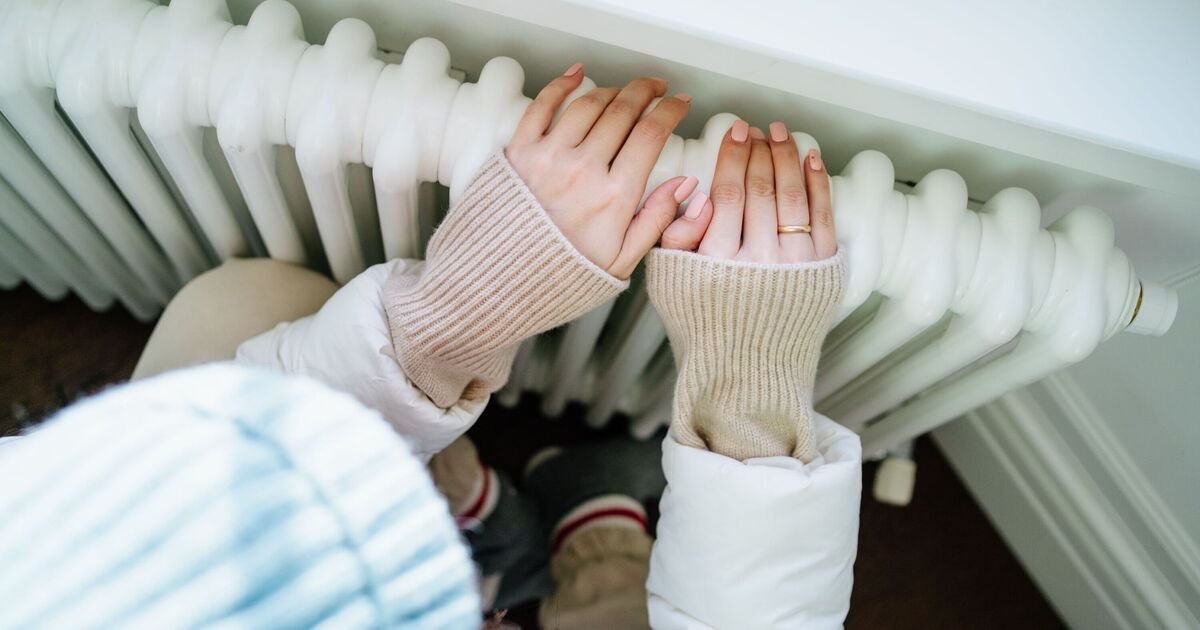
As the temperature drops and the mornings grow frostier, our focus shifts toward keeping our living spaces warm and inviting. While cranking up the thermostat is the most common reaction to a chilly room, it is not the only way to stay comfortable. Often, the heat you are already paying for is being trapped or blocked before it even has a chance to circulate. By making a few small, clever adjustments to how you manage your radiators, you can significantly improve the warmth in your home without reaching for the dial.
Clear the Clutter for Better Circulation
One of the most frequent reasons a room feels colder than it should is surprisingly simple: furniture placement. It is natural to push a sofa, a bed, or a heavy chest of drawers against a wall to maximize floor space, but if that wall features a radiator, you are essentially creating a roadblock for your warmth. Radiators function by heating the air immediately around them, which then rises and circulates throughout the room. When a piece of furniture or a long, heavy curtain blocks this flow, the heat remains trapped behind the obstruction. Try to keep at least six inches of space between your furniture and your radiators. If your curtains hang long, consider pinning them back or tucking them behind the radiator unit during the day to allow that precious heat to fill the room rather than warming the fabric of your drapes.
The Efficiency of Reflector Panels
If your radiators are mounted against external walls, you might be losing a substantial amount of heat directly through the masonry. This is where radiator reflector panels become a game-changer. These are foil-faced boards designed specifically to sit behind your radiator, acting as a barrier that prevents heat from escaping into the wall. By bouncing that energy back into your living space, you ensure that the warmth stays exactly where you want it. While some people attempt to use household kitchen foil, dedicated reflector panels are far more effective; they are thicker, include an insulating layer, and are designed to stay securely in place for the entire season. They are an inexpensive addition that works silently to keep your home toasty throughout the winter months.
Mastering the Thermostatic Valve
Many of us have radiators with a numbered dial on the side, but we rarely consider what it actually needs to function. This thermostatic radiator valve is designed to sense the temperature of the air around it to decide how much hot water should be released into the radiator. If this dial is tucked behind a heavy sofa or caught inside a curtain, it may detect an artificially high temperature and shut the flow of hot water off prematurely. By ensuring the area around the valve is clear, you allow it to accurately read the room. If the dial has easy access to the air, it will do its job properly, keeping the radiator active until your space is truly at the desired temperature.
Don’t Forget the Maintenance
We often clean behind the television or under the rugs, but the radiator itself is frequently left to gather dust. Over time, that layer of fluff and debris can act as an insulator, preventing the metal surface from radiating heat as efficiently as possible. You do not need professional tools to fix this. A simple hair dryer on a cool setting can be used to blow dust out from the top, or you can purchase a slim radiator brush to reach deep between the fins. Keeping the vents clear of dust and debris ensures that the air can flow through the unit without obstruction, allowing for maximum heat output every time the system clicks on.
Redirecting the Flow
If your ceilings are high, you may find that heat naturally rises and pools at the very top of the room, leaving the space near the floor chilly. A clever way to combat this is by installing a small shelf just above your radiator. This acts as a canopy, gently redirecting the rising warm air forward into the room rather than letting it vanish toward the ceiling. Just ensure you leave about 10 to 15 centimeters of clearance between the top of the radiator and the shelf to allow for proper airflow. By using these practical, low-effort strategies, you can maintain a much more comfortable environment while making the most of your existing home setup.
Disclaimer: This content is auto-generated for informational purposes only.
Source: Read Original News