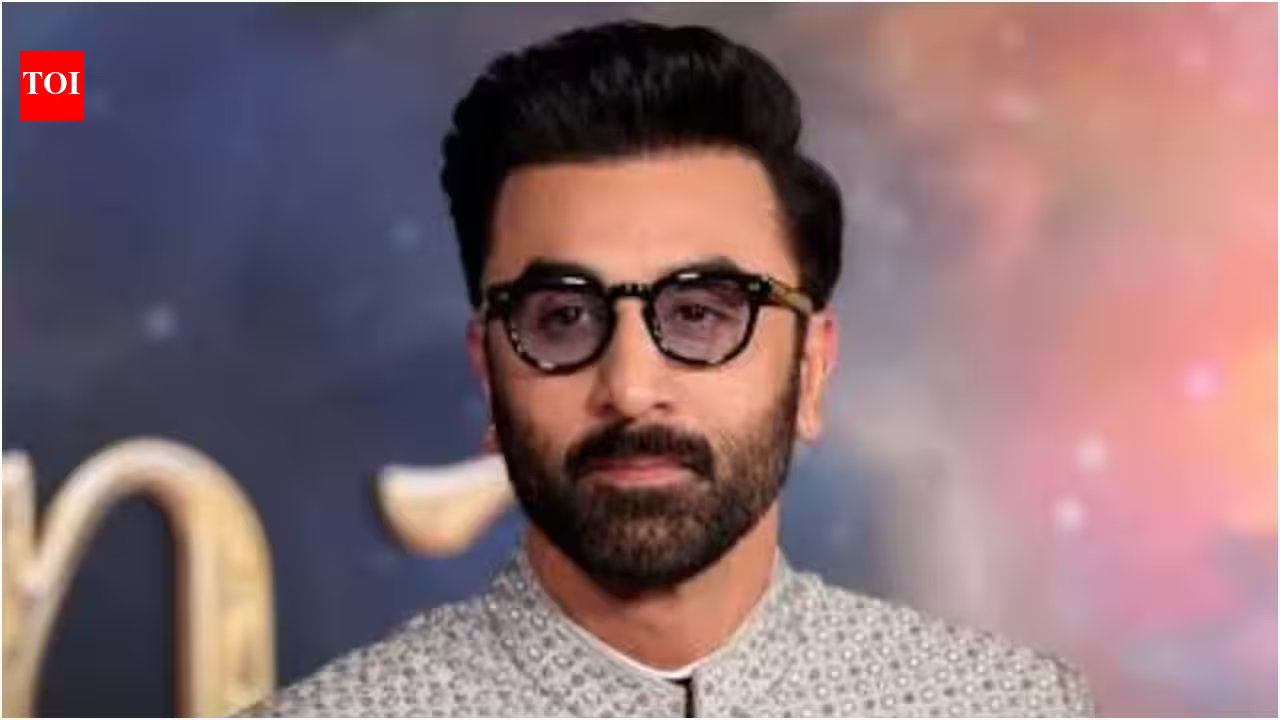








In the glitzy, high-stakes ecosystem of Indian cinema, few projects carry the weight of expectations quite like Nitesh Tiwari’s upcoming magnum opus, Ramayana. With a cast that reads like a who’s-who of pan-Indian superstardom—Ranbir Kapoor as Lord Rama, Sai Pallavi as Sita, and Yash as the formidable Ravana—the film is already the subject of intense dissection. Yet, for Ranbir Kapoor, the relentless hum of social media discourse has become mere background noise.
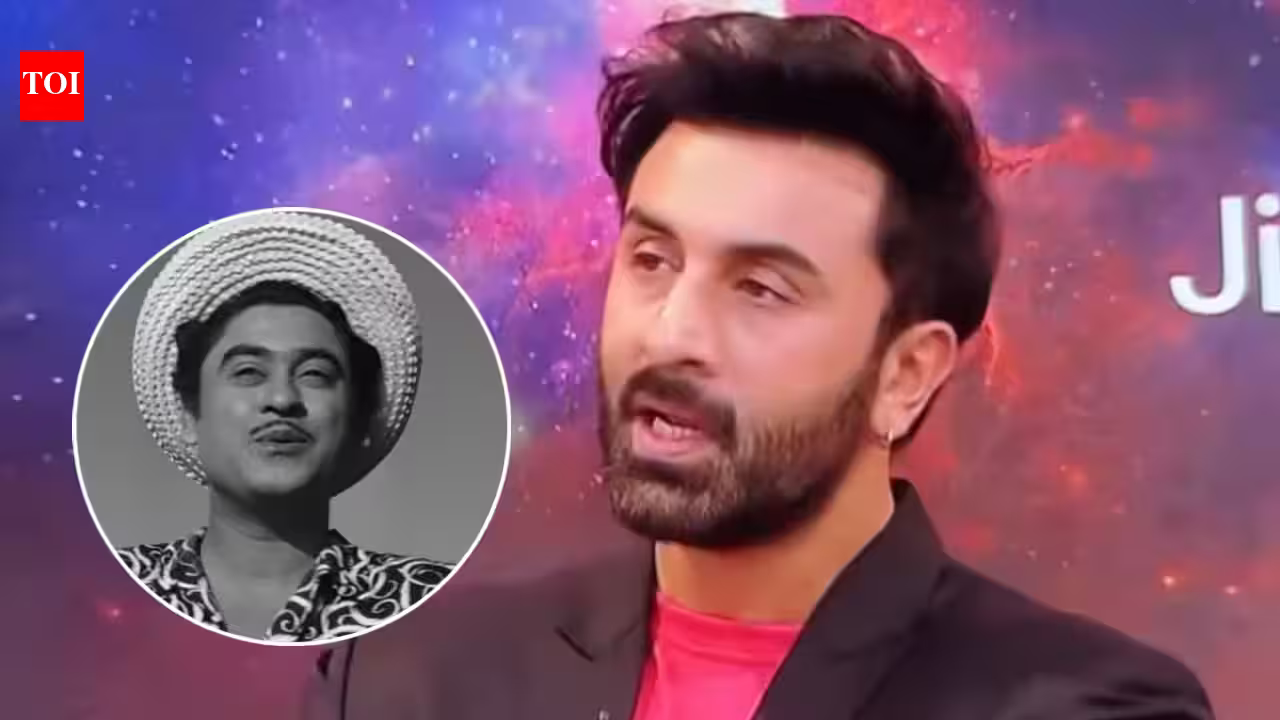
During a recent interactive session with over 18,000 students from across the country, organized by the film’s production team, the actor addressed the simmering pot of online criticism with the kind of cool detachment that only comes after two decades in the spotlight. When asked about the scrutiny surrounding the film and the recent backlash toward its music, Kapoor didn’t reach for a PR-approved script. Instead, he reached for a classic.
The Philosophy of ‘Kuch Toh Log Kahenge’
Kapoor channeled the legendary Kishore Kumar, invoking the immortal lyrics of “Kuch toh log kahenge, logon ka kaam hai kehna” (People will say something, for it is their job to talk). It’s a classic defense, one that has been used by icons for generations to deflect the cacophony of public opinion.
For a superstar tasked with portraying one of the most revered figures in history, the pressure is tectonic. However, Kapoor seems to have cultivated a mental firewall. “I think that’s the great philosophy to actually follow,” he told the packed auditorium. “You don’t get bothered by what people are saying.” By framing criticism as an inevitability—a “job” that people feel compelled to perform—he effectively disentangles his own artistic process from the noise of the comment section.
Filtering the Noise: Who Truly Matters?
The actor’s stoicism isn’t born from arrogance, but rather from a pragmatic triage of his priorities. In an era where “virality” often equates to vitriol, Kapoor suggests that the only voices worth listening to are the ones that exist within his actual sphere of influence.
“What matters is the people,” he reflected. “People who care for you, your work, intention, kindness, and I guess that’s what matters the most.” This distinction between the faceless, churning mob of the internet and the grounded, human connections in his real life is perhaps the only way an actor of his stature survives the modern scrutiny cycle. By narrowing his focus, Kapoor is essentially signaling that while Ramayana belongs to the public, his peace of mind belongs strictly to himself.
The Shadow of Perfectionism
Even the most seasoned veterans stumble when the stakes are this high. The discourse around Ramayana hasn’t just been about artistic choices; it has been about the fear of misstep. Earlier this year, during a public event in Kolkata, Kapoor experienced a minor—but highly scrutinized—slip of the tongue, saying “achchai ka ant” (the end of good) instead of “achchai ki jeet” (the victory of good).
In a hyper-sensitive digital climate, the error was amplified instantly. Kapoor, ever the professional, issued an apology, but the incident highlighted the razor-thin margin for error he is working within. When you are helming an adaptation of an epic that serves as the moral bedrock for millions, every syllable is weighed, measured, and often found wanting by self-appointed gatekeepers of culture.
The ‘Mangal Rang’ Controversy and the Rahman Factor
The current lightning rod for this debate is “Mangal Rang,” the latest musical offering from the film’s soundtrack. Composed by the maestro A.R. Rahman, with lyrics by the esteemed Kumar Vishwas and vocals by Arijit Singh and Shreya Ghoshal, the track should have been a slam-dunk. Instead, it triggered a spirited debate regarding the aesthetic direction of the film.
Critics have zeroed in on the track’s qawwali-influenced arrangement, questioning whether such a soundscape is appropriate for the wedding of Lord Rama and Goddess Sita. Some purists have argued for a more traditional, “Sanatan” root for the music, while others have expressed dissatisfaction with the electronic treatments of the Ravana Tandava theme. The criticism speaks to a deeper tension: the desire for an authentic, traditional representation of the epic versus the need for a modern, cinematic, and perhaps global-facing musical language that a composer of Rahman’s caliber naturally brings to the table.
Navigating the Epic
At its core, Ramayana is an ambitious, two-part gamble. Nitesh Tiwari—the director behind the grounded, socially conscious Dangal and Chhichhore—is no stranger to balancing mass appeal with intellectual rigor. Yet, Ramayana is a different beast entirely. It requires a delicate dance between maintaining religious sanctity and executing high-budget spectacle.
As the November 5 release date approaches, the industry is watching not just for the box office numbers, but for how the film manages to bridge the divide between the traditional expectations of its audience and the cinematic vision of its creators. With Yash expected to bring a darker, more complex gravitas to Ravana and Sai Pallavi stepping into the role of Sita, the casting choices suggest a production that is aiming for nuance rather than a one-dimensional retelling.
Ranbir Kapoor remains the center of this storm. Whether he is being praised for his stoicism or questioned for his choices, he appears to be moving forward with the conviction that the work will speak for itself. If the history of cinema has taught us anything, it is that the loudest critics are often drowned out by the quiet, overwhelming consensus of the audience once the house lights dim and the screen illuminates. For now, Kapoor is keeping his head down, keeping his lyrics of Kishore Kumar in mind, and staying focused on the task at hand. The real test begins when the curtain rises this November.
Disclaimer: This content is auto-generated for informational purposes only.
Source: Read Original News