









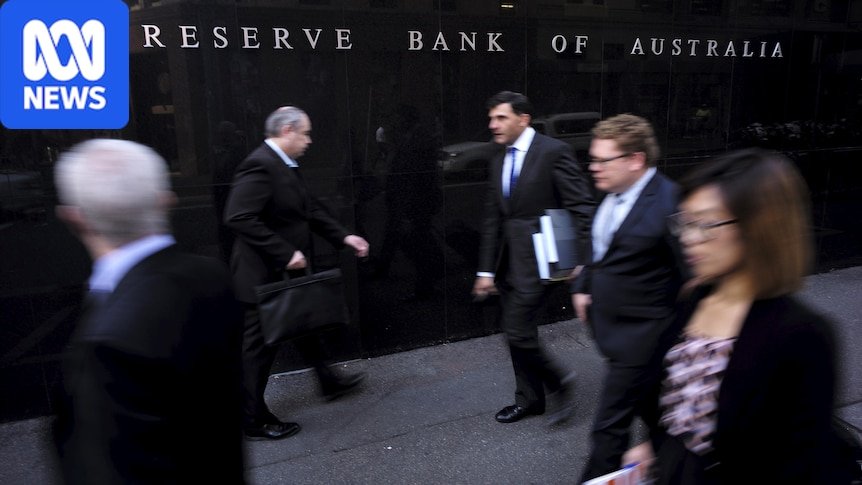
The Reserve Bank of Australia (RBA) has lifted interest rates to their highest level in 18 years, signaling a sobering reality for the economy as it grapples with stubborn inflation. In a decision that was far from unanimous, the board increased the cash rate by 0.25 percentage points, taking the target to 4.85 per cent—the highest level seen since late 2008.
This marks the fifth rate hike of 2026, intensifying the pressure on Australian households already struggling with the cost-of-living crisis. While mortgage holders face yet another blow to their monthly budgets, savers may see marginal relief as banks pass on the higher rates to high-interest accounts.
The move comes as the RBA acknowledges that the battle against inflation is becoming increasingly difficult. In a statement released following the meeting, the board admitted that inflation is now expected to remain elevated throughout much of 2027. The central bank does not anticipate inflation dropping below 3 per cent until late 2027, a timeline roughly three quarters longer than its previous forecasts.
The RBA board is clearly concerned about “inflation expectations” becoming entrenched. Deputy Governor Andrew Hauser recently warned that an increasing number of businesses are beginning to view 3 to 3.5 per cent inflation as the “new normal.”
“That is the central banker’s nightmare,” Hauser said last month. “We can’t allow expectations to shift away from the target.” The board’s primary goal remains bringing consumer price inflation back to an average of 2.5 per cent over the cycle.
The decision was marked by internal division, with six members voting for the hike, while three argued for leaving the cash rate unchanged at 4.60 per cent. This split highlights the difficult balancing act the bank faces as it attempts to cool the economy without triggering a deep recession.
The RBA noted that its previous interventions are already taking a toll: the economy is slowing, house prices have fallen significantly this year, and the unemployment rate is on the rise. With unemployment currently at 4.7 per cent, the RBA has downgraded its outlook, now forecasting the rate to reach an average of 5.1 per cent by the end of 2028.
Despite these cooling trends, the bank warned that “heightened uncertainties” remain. The ongoing conflict in the Middle East and global oil supply disruptions continue to exert upward pressure on energy prices. While growth among Australia’s major trading partners has remained resilient—buoyed by artificial intelligence-related investment—the RBA cautioned that the road ahead remains fraught with risk.
As it takes between 12 and 18 months for monetary policy shifts to fully permeate the economy, the true impact of today’s decision will not be fully felt until 2028. For now, Australians remain in a period of extended financial tightening.
Disclaimer: This content is auto-generated for informational purposes only.
Source: Read Original News