






Navigating the Duality of Robust Growth and Persistent Inflation
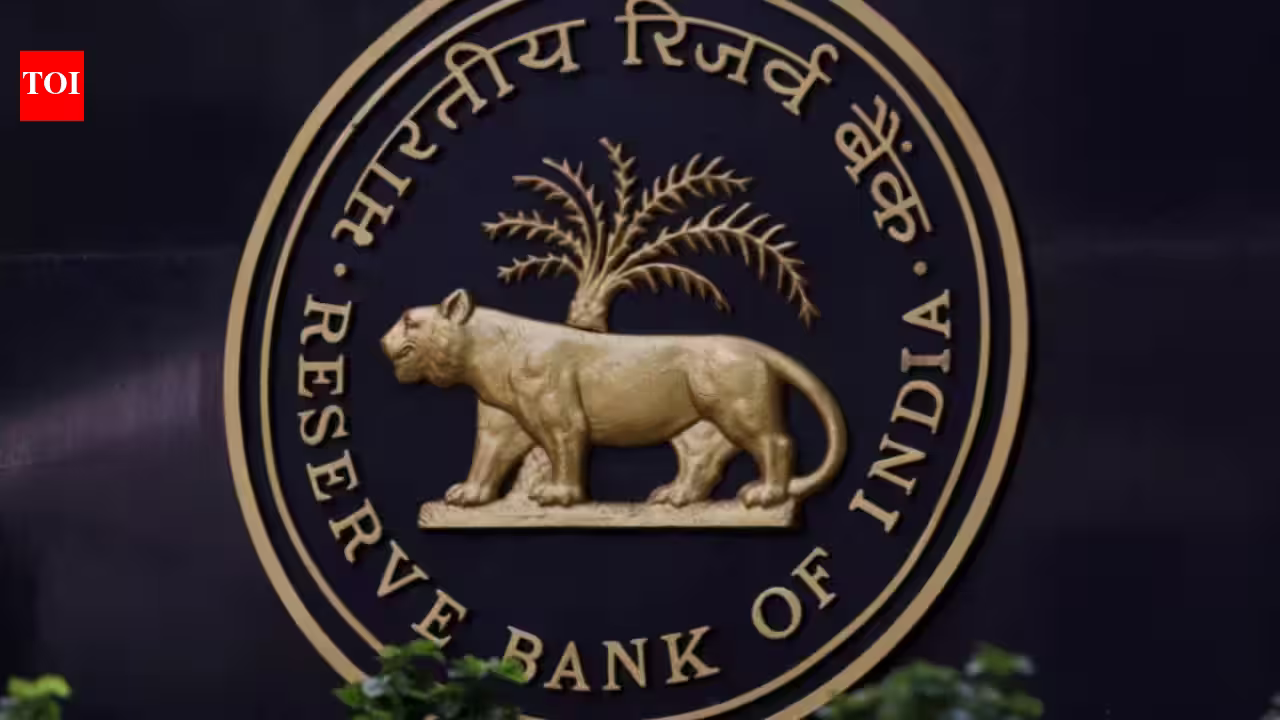
The Indian economic landscape is currently characterized by a distinctive divergence between high-frequency growth indicators and accelerating price pressures. Recent data from the Reserve Bank of India (RBI) underscores a resilient macroeconomic framework, where industrial activity, consumption patterns, and credit expansion continue to defy global headwinds. However, this momentum is increasingly countered by a stubborn inflationary trend that has breached the central bank’s upper tolerance threshold. As retail inflation climbed to 6.1 percent in October, moving past the 6 percent limit, policymakers are facing a complex scenario that necessitates a delicate balancing act between sustaining growth momentum and maintaining price stability.
The breadth of this inflationary surge is perhaps more concerning than the headline number itself. Inflation is no longer confined to volatile food prices; it has permeated into fuel, clothing, housing, healthcare, and broader service categories. This structural shift suggests that price pressures are becoming entrenched across the supply chain, moving beyond temporary seasonal fluctuations. With urban inflation at 5.4 percent and rural inflation significantly higher at 6.6 percent, the burden of rising costs is distributed unevenly, potentially impacting consumption patterns in the hinterlands more severely than in metropolitan centers.
The Mechanics of Consumption and Industrial Momentum
Despite the prevailing inflationary environment, the Indian economy’s fundamental engines remain robust. The most striking indicator of this vitality is the record-breaking performance in tax collections and infrastructure usage. A 22.9 percent surge in Goods and Services Tax (GST) collections, the second-highest since the tax’s inception, reflects a deep-rooted festive demand that has effectively buffered the economy against initial inflationary shocks. This consumption-led growth is corroborated by e-way bill generation hitting record highs, a 23.1 percent increase, indicating a massive surge in the physical movement of goods across state borders.
Furthermore, infrastructure and industrial activity indicators provide a clear picture of sustained expansion. The 21.9 percent rise in electricity demand, coupled with a 12.3 percent growth in toll collections, highlights the operational efficiency of the logistics and manufacturing sectors. When viewed alongside a 12 percent increase in diesel consumption, it is evident that the industrial heartland is operating at high capacity. Additionally, the labor market has shown signs of marginal improvement, with the unemployment rate dipping to 4.9 percent. This tightening labor market is a double-edged sword; while it fosters higher household income and consumption, it also contributes to wage-push inflation, complicating the RBI’s efforts to tame the Consumer Price Index (CPI).
Credit Dynamics and Liquidity Patterns
The financial architecture of the Indian economy shows signs of intense activity. Credit demand remains exceptionally strong, signaling that both corporate and retail sectors are leveraging debt to fuel expansion and consumption. This is not merely an increase in volume but a sign of improved financial deepening. However, the data also reveals that reserve money and currency in circulation are growing at their fastest pace in over five years. Such liquidity expansion, while necessary to support high-growth environments, can inadvertently provide the fuel for sustained inflation if not managed with precise monetary tools.
The rise in digital payment values by 22.9 percent is a testament to the success of India’s digital public infrastructure. This transition to digital financial systems has increased the velocity of money within the economy, allowing for faster transactions and more efficient capital allocation. From a policy perspective, the challenge lies in ensuring that the credit cycle does not overheat. As the RBI observes these liquidity metrics, the primary concern is to prevent the economy from drifting into a phase where easy credit availability decouples from the underlying capacity to produce goods and services, thereby exacerbating the existing supply-demand mismatch.
Regional Disparities and the Challenge of CPI Composition
A granular examination of the inflationary data reveals significant regional disparities that complicate national-level monetary policy. With eleven states and Union Territories recording inflation levels above 6 percent, the phenomenon is clearly not uniform. This geographic unevenness is largely driven by the varying impact of food inflation, which currently stands at 8.2 percent for urban and 8.7 percent for rural sectors. The reliance of rural economies on primary agricultural commodities makes them particularly vulnerable to climate-related supply chain disruptions and seasonal volatility.
The rise in core inflation—now at 4.5 percent—indicates that the price increase is becoming systemic. When excluding precious metals, core inflation remains at 3.8 percent, which suggests that underlying demand pressures are persistent. This is critical for policymakers because core inflation is a primary indicator of long-term economic stability. The fact that price pressures have spread across housing, clothing, and healthcare suggests that input costs are rising across the board, potentially forcing firms to pass these costs onto the consumer. In an economy where price sensitivity remains high, this shift poses a risk to the long-term sustainability of the current consumption surge.
Policy Outlook: The Rate Hike Conundrum
The central question facing the RBI and market participants is the future trajectory of interest rates. With inflation breaching the 6 percent target, the discourse has shifted toward the possibility of a 25-basis-point rate hike. The central bank’s mandate to maintain price stability while supporting growth is being severely tested. A rate hike, while effective in cooling off demand-side inflation, could act as a deterrent to the credit-fueled expansion currently driving the industrial sector. Conversely, maintaining current rates might signal a lack of resolve against inflationary expectations, which could lead to a loss of public confidence in the RBI’s inflation-targeting framework.
Analysts are looking for a nuanced approach. The RBI must weigh the impact of global energy prices and the potential easing of oil costs against the domestic structural inflation highlighted in its recent report. If the current inflationary pressure is viewed as a persistent trend rather than a transitory spike, a calibrated increase in the repo rate may become unavoidable. The objective would be to tighten liquidity just enough to anchor expectations without stifling the growth momentum reflected in the robust GST and e-way bill data. As India continues to outpace many global peers in economic growth, the management of this transition will be a defining factor for the nation’s medium-term economic trajectory. The coming months will likely see a focus on supply-side interventions, particularly in the agricultural and logistics sectors, to address food inflation, potentially providing the RBI with the breathing room needed to sustain the broader macroeconomic recovery.
Disclaimer: This content is auto-generated for informational purposes only.
Source: Read Original News