







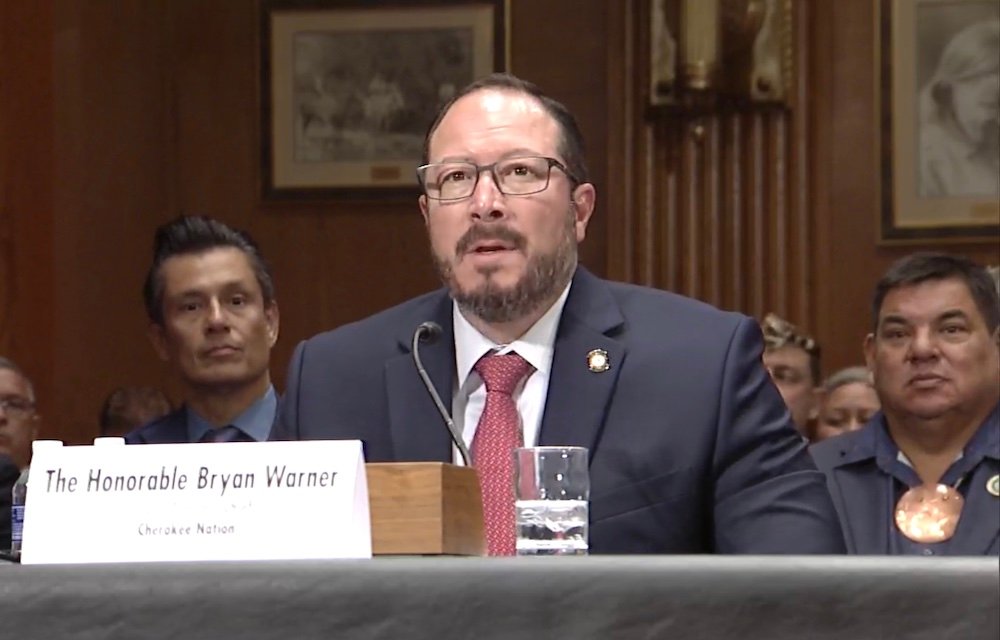
Tribal leaders and federal officials converged on Capitol Hill this week to address a staggering housing deficit in Indian Country, pushing for a long-overdue legislative overhaul that could redefine how Native communities secure shelter. The Senate Committee on Indian Affairs hearing focused on the Native American Housing Assistance and Self-Determination Modernization Act (NAHASDA) of 2026, a proposed update to a 30-year-old framework that experts say has struggled to keep pace with modern economic pressures.
Modernizing Tribal Infrastructure Through Policy Reform
The current crisis is defined by a massive gap in supply: Cherokee Nation Deputy Principal Chief Bryan Warner testified that Indian Country requires at least 68,000 new homes to address severe overcrowding and replace dilapidated structures. While the original NAHASDA legislation was lauded for empowering tribes to manage their own housing needs, the reality of 2026—characterized by soaring construction costs and inflation—has rendered the original federal support mechanisms insufficient.
Proposed updates aim to streamline the bureaucratic hurdles that currently stall development. Among the most anticipated changes is a shift toward a single-review process for environmental assessments, which is expected to replace a redundant system that often causes tribes to lose entire construction seasons. Additionally, the legislation seeks to broaden financing options by allowing federally certified Native community development financial institutions (CDFIs) to participate in federal loan programs, helping to overcome the historic reluctance of conventional lenders to finance projects on trust land.
Addressing the “Missing Middle” and Technical Barriers
A significant portion of the testimony focused on the “missing middle”—the category of tribal employees, such as teachers and police officers, who earn too much to qualify for current assistance programs but lack the income to secure market-rate housing. This gap forces many into “doubling up,” an informal arrangement where multiple families crowd into a single home.
Current federal definitions of homelessness often fail to account for this cultural and practical reality. Sen. Tina Smith, D-Minn., highlighted that current HUD metrics do not categorize these situations as homelessness, which effectively disqualifies many tribal communities from competing for necessary federal funding. The proposed modernization would not only adjust these definitions but also permanently authorize the Tribal HUD-VASH program to provide dedicated rental assistance for Native veterans, ensuring that those who served have a pathway to stable housing.
The Role of Data and Emerging Tech in Housing Solutions
While the legislative debate centers on policy, the data guiding these decisions is becoming increasingly sophisticated. The Government Accountability Office (GAO) recently identified 30 separate federal programs supporting Native housing, a complex landscape that highlights the need for better data integration. As the government explores digital solutions for tracking construction progress and managing housing waitlists, there is growing interest in how data analytics can help tribes allocate resources more efficiently.
While the hearing was primarily focused on legislative text, the push for modernization mirrors broader trends in the tech and policy sectors, where administrative efficiency is being prioritized to combat economic stagnation. From AI-driven land-use planning to digitized mortgage processing for trust lands, there is a clear understanding that the next 30 years of tribal housing must be supported by 21st-century tools.
As the committee moves toward a business meeting on September 23 to consider the act, the message from tribal representatives was clear: administrative delays are not just line items on a budget—they represent real families waiting for a home. For Warner and other tribal leaders, the goal is simple: turning the focus from Washington-centric mandates to outcomes that result in “the sound of swinging hammers” on tribal land.
Disclaimer: This content is auto-generated for informational purposes only.
Source: Read Original News