








Decolonizing the Built Environment: How Professor Tania Sengupta is Reshaping Architectural History
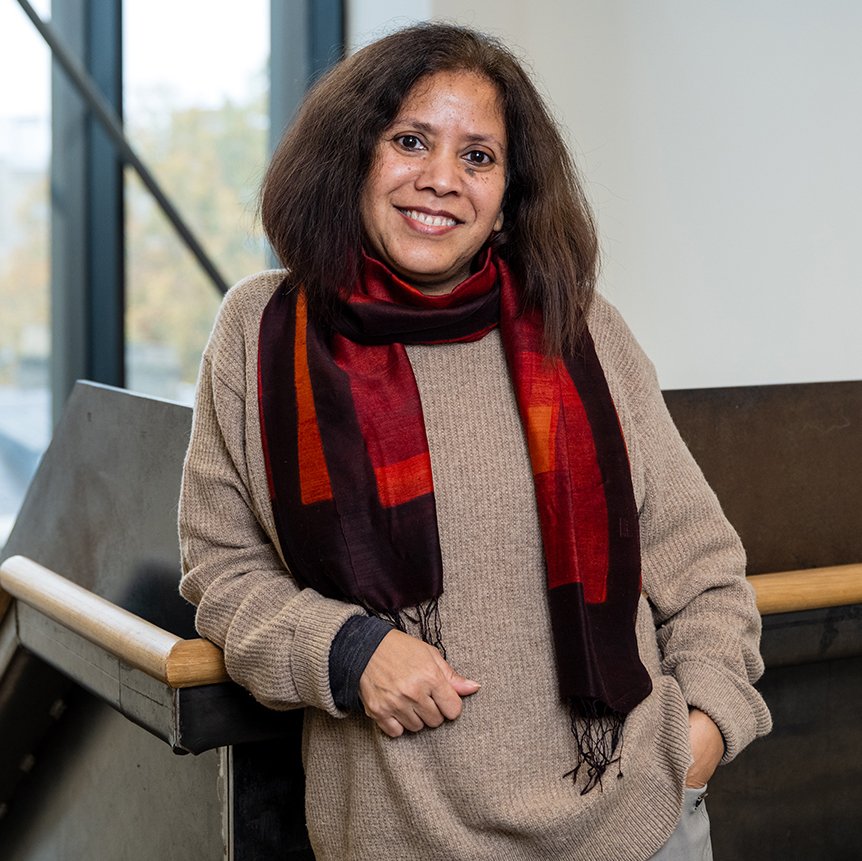
Growing up in the vibrant, complex urban landscape of Calcutta, India, Tania Sengupta was surrounded by city spaces defined by centuries of colonial history. These early, formative impressions of the built environment did more than just color her childhood; they provided the blueprint for a distinguished academic career that would eventually challenge the foundations of architectural studies.
Despite her early exposure to the field—sparked by a pivotal Sunday art class where an instructor first suggested architecture as a potential calling—Sengupta’s journey to the top of her profession was not without uncertainty. When she applied for a lecturer position at UCL in 2011, she found herself questioning whether her niche research into small-town architecture in colonial India would hold weight in a major Western institution.
Her doubts proved unfounded. Today, she serves as Professor of Colonial and Postcolonial Built Environment at The Bartlett School of Architecture, one of the world’s most prestigious architecture schools. In addition to her professorship, she directs the PhD programme in Architectural and Urban History and Theory, where she continues to influence the next generation of scholars.
Professor Sengupta’s work is characterized by a commitment to surfacing historically overlooked perspectives. By shifting the focus away from traditional, Eurocentric narratives, she explores how the lingering legacies of colonialism remain embedded in our modern cities, buildings, and everyday artifacts. Her research acts as a critical lens, revealing the power dynamics that have shaped—and continue to define—the spaces we inhabit.
By centering voices that have long been absent from academic discourse, Sengupta is fundamentally changing how we understand the history of the built world. Her work serves as a powerful reminder that architecture is never neutral; it is a living archive of history, politics, and human experience. Through her reframing of the architectural narrative, she ensures that the stories of the past are not only heard but used to build a more inclusive future for urban design and scholarship.