









In a landmark ruling on August 18, 2026, the U.S. Court of Appeals for the D.C. Circuit upheld the Environmental Protection Agency’s (EPA) designation of perfluorooctanoic acid (PFOA) and perfluorooctanesulfonic acid (PFOS) as “hazardous substances” under the Comprehensive Environmental Response, Compensation, and Liability Act (CERCLA). The decision marks a significant shift in environmental regulation, granting the EPA broad authority to address these “forever chemicals” and triggering extensive liability implications for industries nationwide.
For the first time in the 40-year history of CERCLA, the EPA utilized its freestanding authority under Section 102(a) to classify the substances directly, rather than relying on prior designations under other environmental statutes. The court’s decision affirms that the agency need only demonstrate the “possibility” of a “substantial danger” to public health or the environment to justify such a listing, rather than requiring absolute scientific certainty.
The implications for the U.S. economy are profound. By designating PFOA and PFOS as hazardous substances, the EPA has effectively activated the full suite of CERCLA’s enforcement powers. Potentially Responsible Parties (PRPs)—a group that includes property owners, operators, and those involved in the supply chain—now face strict, joint and several, and retroactive liability. This means entities could be held responsible for the entire cost of site cleanups regardless of their individual degree of fault.
Industries historically reliant on these chemicals, including electronics, semiconductors, pharmaceuticals, firefighting foam production, and consumer goods, are particularly exposed. Furthermore, the ruling complicates real estate and merger transactions, as environmental due diligence must now include rigorous testing for PFOA and PFOS to qualify for common landowner liability defenses.
The case, Chamber of Commerce of the United States of America v. Environmental Protection Agency, saw industry groups challenge the designation on grounds that the EPA misinterpreted its statutory authority and failed to provide a robust cost-benefit analysis. The D.C. Circuit panel, however, rejected these arguments. Writing for the court, Judge Patricia A. Millett noted that requiring absolute scientific certainty would “legislatively paralyze” the agency’s ability to protect the public. The court further concluded that the EPA’s assessment of the rule’s economic impact and potential PRP liability was both reasonable and legally sound.
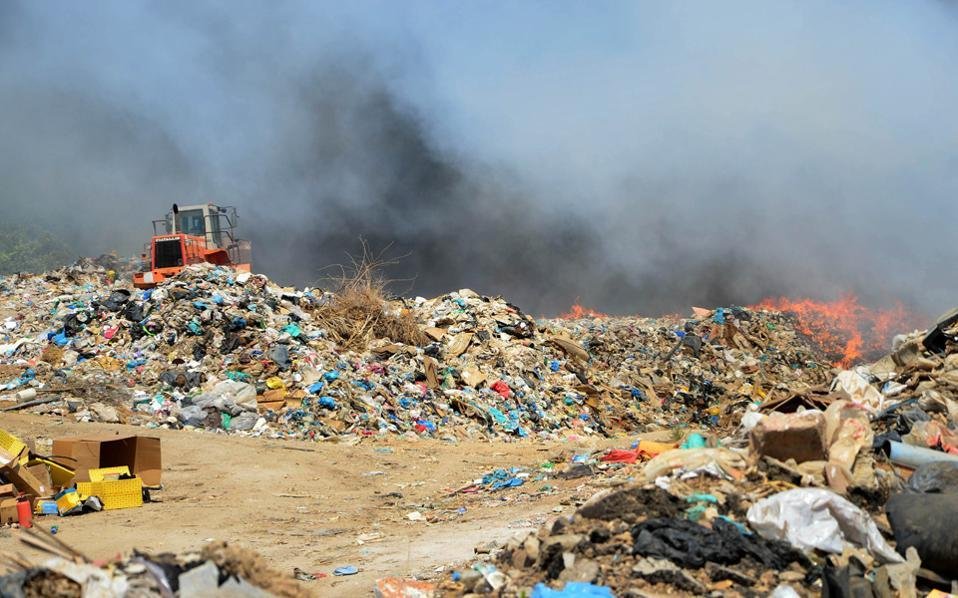
A contentious aspect of the rule is the “passive receiver” problem, where entities—such as public landfills, wastewater treatment facilities, and airports—may be held liable for PFAS contamination despite not intentionally manufacturing or using the chemicals. While the EPA has issued enforcement discretion policies intended to shield such entities from litigation, these are administrative guidelines rather than statutory exemptions, leaving many in a state of legal uncertainty.
Looking forward, the court’s validation of the Section 102(a) mechanism creates a powerful precedent. The EPA has signaled that it plans to develop a framework rule to standardize future designations, which may include more explicit considerations of economic impacts. However, until such a framework is finalized, the current ruling grants the agency considerable leeway to target other emerging contaminants that may not fit neatly into traditional regulatory categories.
While the unanimous decision of the panel suggests a degree of finality, the regulatory landscape remains fluid. Industry groups still retain the option to petition the U.S. Supreme Court for certiorari. For the time being, however, the ruling stands as a major victory for environmental regulators, placing a new, long-term burden on businesses to manage the risks associated with historic chemical use. Affected entities are now being advised to conduct thorough assessments of their past and current property holdings to mitigate potential exposure in an increasingly stringent cleanup environment.
Disclaimer: This content is auto-generated for informational purposes only.
Source: Read Original News