








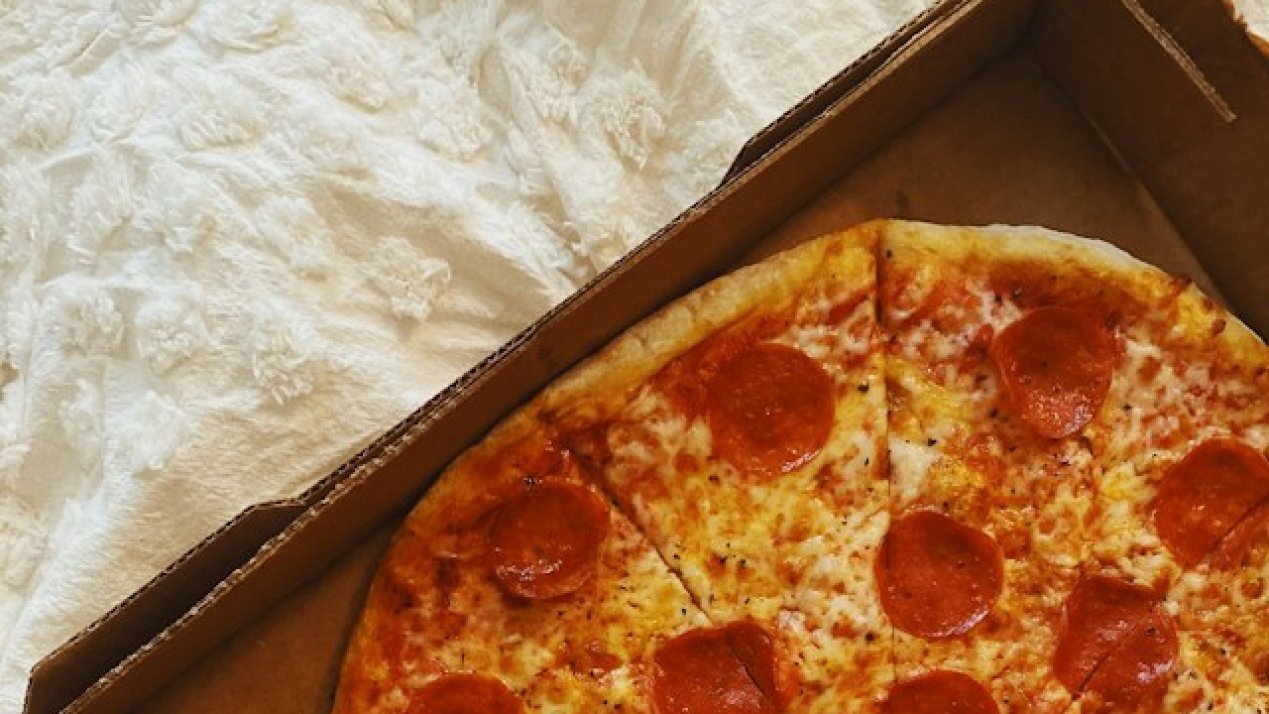
Pizza has officially claimed the throne as Mexico’s most popular delivery dish, according to a comprehensive new study, “Así sabe Mmméxico,” published by the delivery giant DiDi Food in collaboration with the trend agency Trendo. The report, which analyzed a massive dataset of 130 million orders placed in 2025 across more than 65,000 restaurants, highlights a shifting culinary landscape driven by both technology and changing generational habits.
The Digital Transformation of Mexican Dining
The data reveals that pizza dominates the delivery market, ranking as the top choice in 24 of Mexico’s 32 states. This surge in convenience-based dining is supported by a robust digital ecosystem. DiDi Food’s platform serves as a critical infrastructure for the country’s hospitality sector, with over 65% of its partners categorized as small and medium-sized enterprises (SMEs).
From a tech perspective, the study underscores how artificial intelligence and data analytics are helping these local kitchens stay competitive. By tracking search trends alongside order volumes, platforms like DiDi are not only facilitating logistics but also acting as market intelligence hubs. In cities like Mexico, where the pace of life has reduced domestic cooking time by two hours over the last decade, platforms are leveraging predictive modeling to anticipate regional surges in demand, whether for sushi in the capital or tortas in Hidalgo and Tabasco.
Generational Shifts and the “Mexicanization” of Global Cuisine
The report identifies a distinct generational divide in how food is consumed. Generation Z, the primary demographic for tech-forward apps, is the driving force behind the popularity of Asian cuisine. With over 41% of searches for Japanese food originating from users aged 18 to 24, it is clear that digital-native generations are actively reshaping local flavor profiles.
Crucially, the study points to the phenomenon of “Mexicanization.” As Gustavo Prado, Director of Trendo, explains, Mexican consumers rarely adopt global food trends in their original form. Instead, they transform them, blending local ingredients like grilled beef, avocado, and spicy sauces with international staples. With Mexico earning a 97 out of 100 on an “indulgence” scale, the digital food market is not just a utility but a creative space where tech platforms facilitate a constant fusion of global and local cultures.
Navigating the Hidden Costs of App-Based Delivery
Despite the convenience provided by the tech sector, authorities are urging consumers to be more mindful of the financial implications of high-frequency delivery. The Federal Consumer Protection Agency (PROFECO) recently issued a warning regarding the “hidden” costs buried in the checkout process of food apps.
While the interface of a delivery app is designed for frictionless user experience—often utilizing sophisticated UI/UX design to make ordering seamless—the final price can be significantly higher than a direct purchase. PROFECO highlights that service fees, small-order surcharges, and “high-demand” dynamic pricing can effectively double the cost of a meal.
For the average tech-savvy consumer, the agency recommends a more analytical approach to consumption:
- Comparison Shopping: Check prices across multiple apps rather than relying on a single platform.
- Direct Ordering: Verify the restaurant’s official menu and consider calling directly, as some vendors artificially inflate prices on apps to offset commission fees.
- Subscription Audits: Carefully assess whether monthly delivery subscriptions actually lead to savings based on individual order frequency.
As digital delivery continues to grow, both the platform providers and the regulatory bodies are forced to adapt, balancing the convenience of the digital era with the economic realities of the modern household.
Disclaimer: This content is auto-generated for informational purposes only.
Source: Read Original News