







Supreme Court to Hear Voter Roll Challenge Amidst Nationwide Protests
NEW DELHI – The Supreme Court of India is set to convene on Tuesday to deliberate on a high-stakes petition challenging the legitimacy of a recent, massive revision of the country’s electoral rolls. The judicial intervention comes as the national capital enters its third consecutive day of intense protests, fueled by allegations of systematic disenfranchisement and political manipulation.
The movement, characterized by the involvement of the “Cockroach Party” and several prominent opposition figures, has paralyzed parts of New Delhi. Demonstrators are demanding the immediate resignation of Chief Election Commissioner Gyanesh Kumar, accusing the Election Commission of India (ECI) of orchestrating a purge that threatens the democratic foundation of the upcoming electoral cycle.
Allegations of Systematic Voter Purge
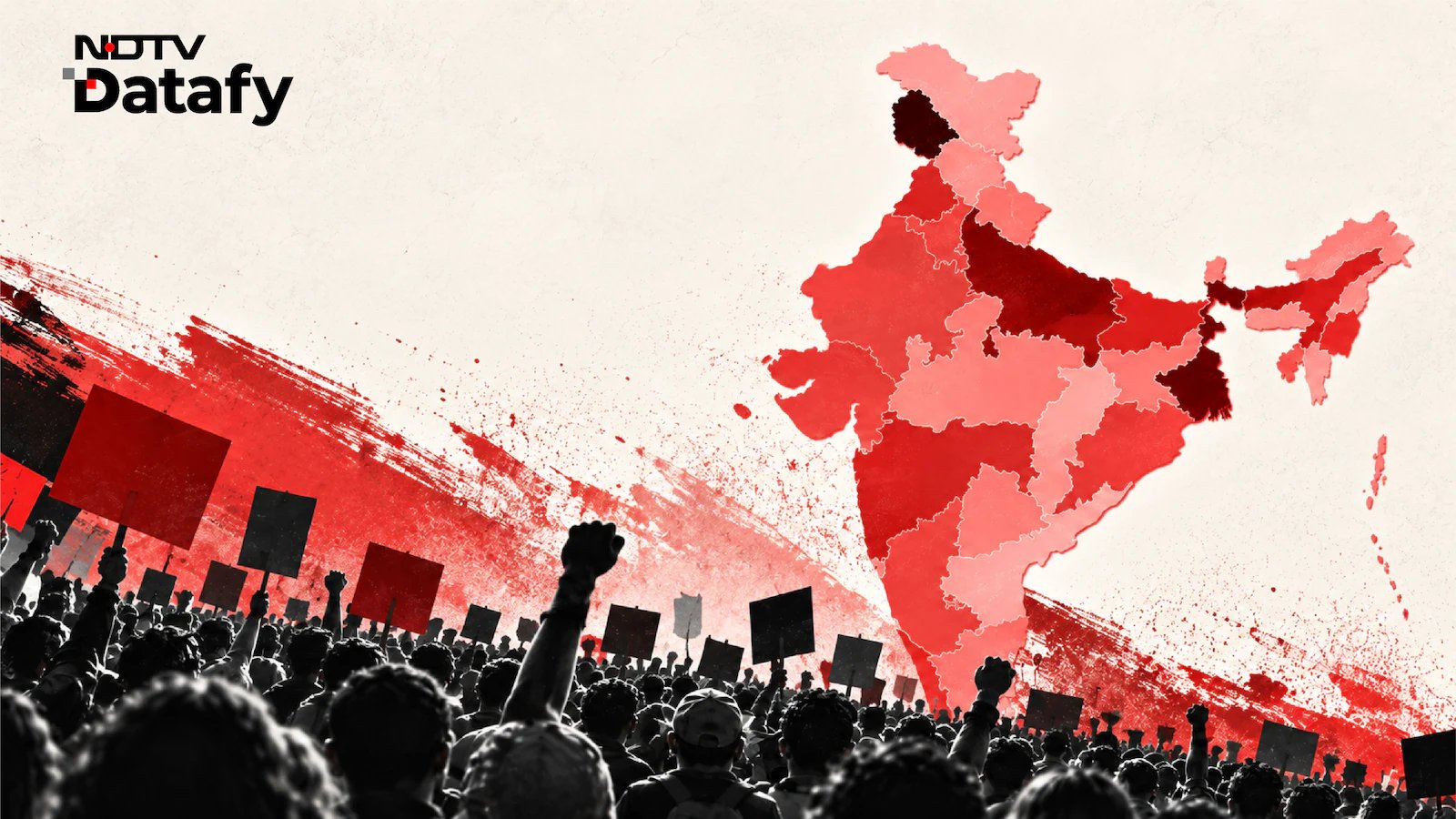
The controversy centers on the removal of over 130 million names from the national voter lists. According to the data presented by petitioners, the deletions include 28 million individuals classified as deceased, 63 million who purportedly changed their place of residence, and 30 million who could not be located by authorities.
Opposition leaders argue that the scale of these deletions is disproportionately targeted and claim the exercise is designed to unfairly benefit Prime Minister Narendra Modi’s Bharatiya Janata Party (BJP). Critics assert that a process of this magnitude, if conducted without adequate transparency, effectively undermines the mandate of the electorate.
The ECI has vehemently denied any wrongdoing, maintaining that the revisions were a standard administrative procedure to update accuracy. Officials have stated that voters whose names were removed erroneously have the opportunity to re-register. However, activists remain unconvinced, arguing that the burden of proof has been unfairly shifted onto the citizens.
Mounting Tensions in the Capital
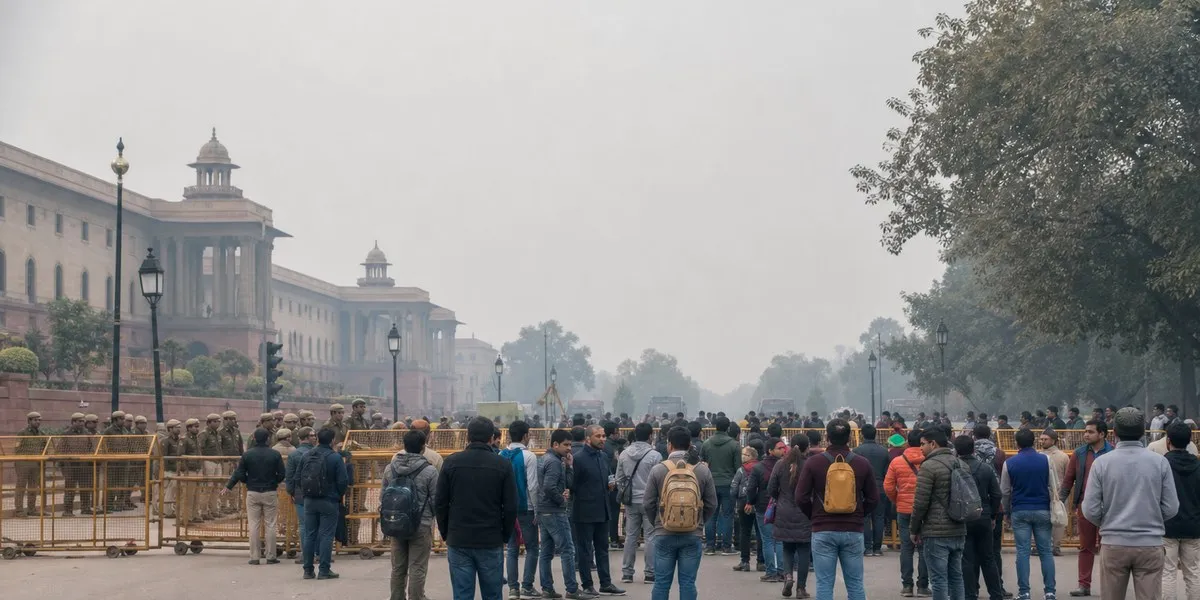
On Monday, the situation in New Delhi reached a boiling point. The government-imposed security measures saw six major metro stations shuttered and thousands of police and paramilitary personnel deployed across the city. Despite heavy barricades and a restrictive environment, a massive march led by Indian National Congress leader Rahul Gandhi made its way toward the Supreme Court. Gandhi, seen carrying a copy of the Constitution, led the procession as a symbolic stand against what the opposition describes as a democratic crisis.
Police have restricted protests by banning gatherings at Jantar Mantar, the city’s traditional hub for civil dissent. Authorities instead designated three distant, state-approved locations for demonstrations. Samajwadi Party leader Akhilesh Yadav slammed the decision, labeling the venue bans as a sign of desperation by the ruling administration.
The weekend saw a series of mass detentions, as police moved to clear protest sites. While most activists—including several leaders of the “Cockroach Party”—were subsequently released, reports of mistreatment have surfaced. John Brittas, a Member of Parliament for the Communist Party of India, alleged that he was treated with “brutality” during Sunday’s demonstrations, further inflaming public sentiment.
As the Supreme Court prepares for Tuesday’s hearing, the petitioners are pushing for an urgent, independent audit of the voter roll revisions. They are also seeking a nationwide stay on the process to prevent further exclusions, demanding that the ECI institute formal notification procedures to ensure no citizen is disenfranchised without a fair hearing. With the eyes of the nation turned toward the high court, the legal battle marks a pivotal moment in India’s current political climate.
Disclaimer: This content is auto-generated for informational purposes only.
Source: Read Original News