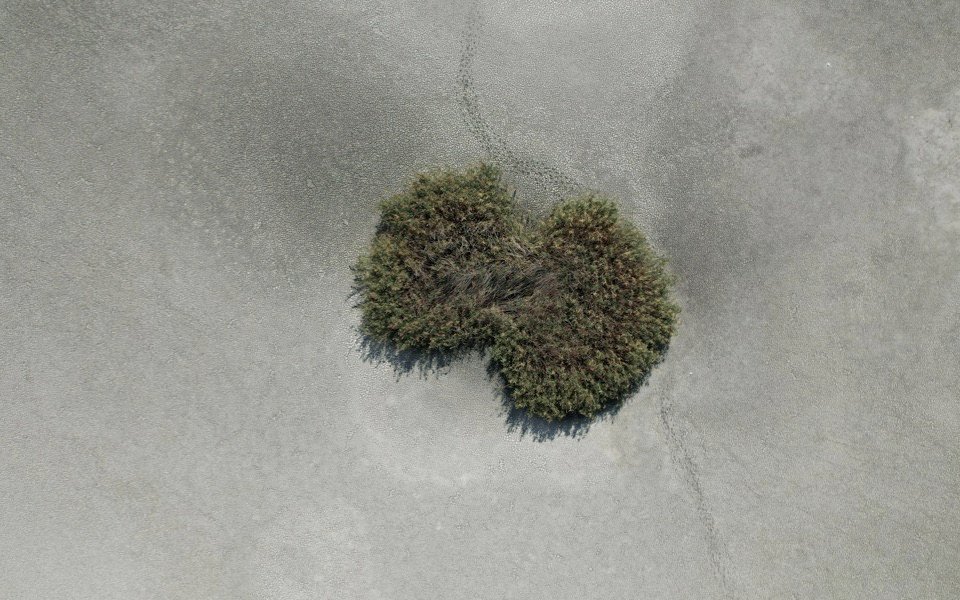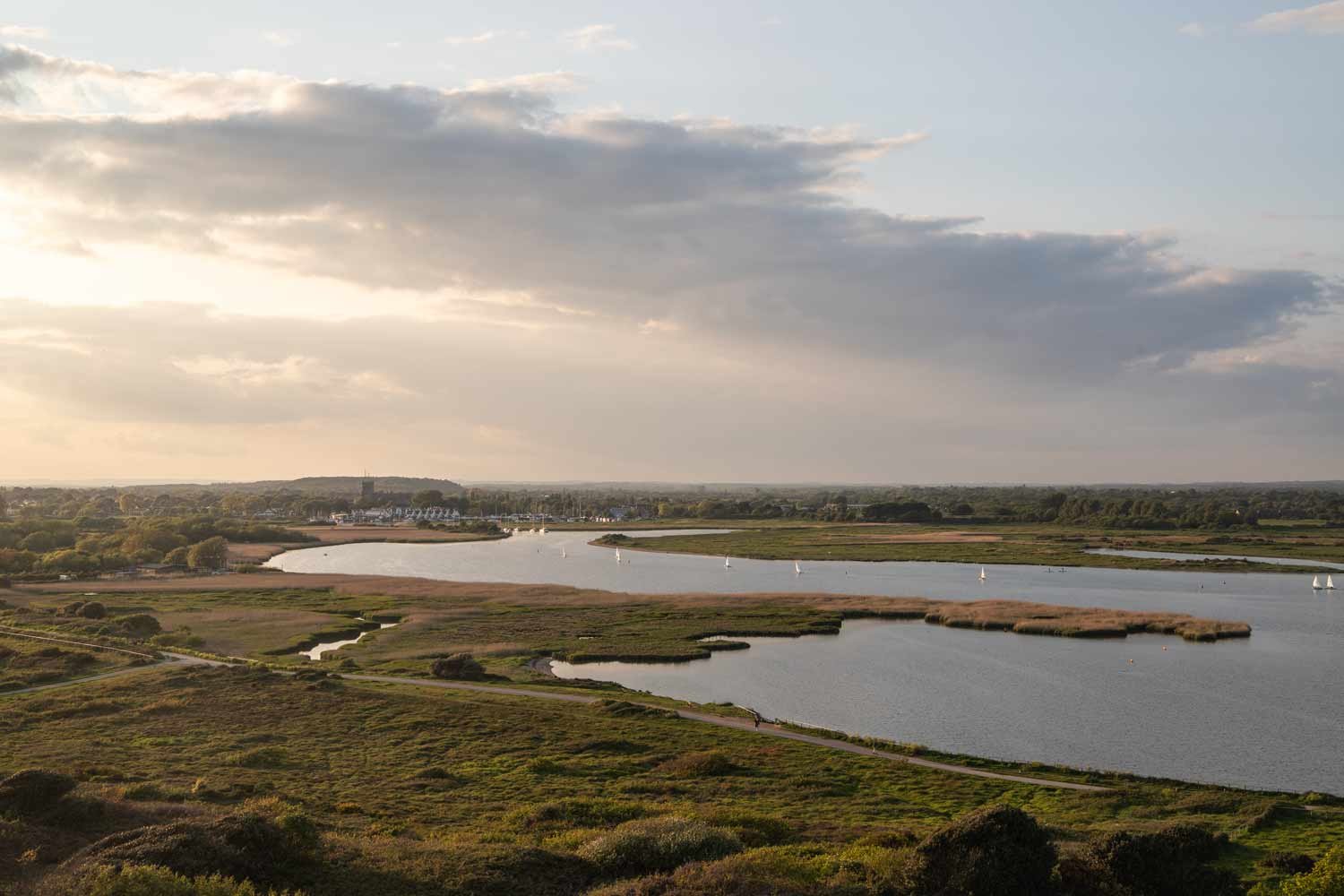







The recent and much-needed rainfall, arriving in early August, has offered a slight reprieve from a summer dominated by an unprecedented and prolonged drought. This period of extreme heat, which began in May with a succession of heatwaves, has profoundly impacted local ecosystems and wildlife, presenting a stark contrast to the initial exuberance of earlier months.
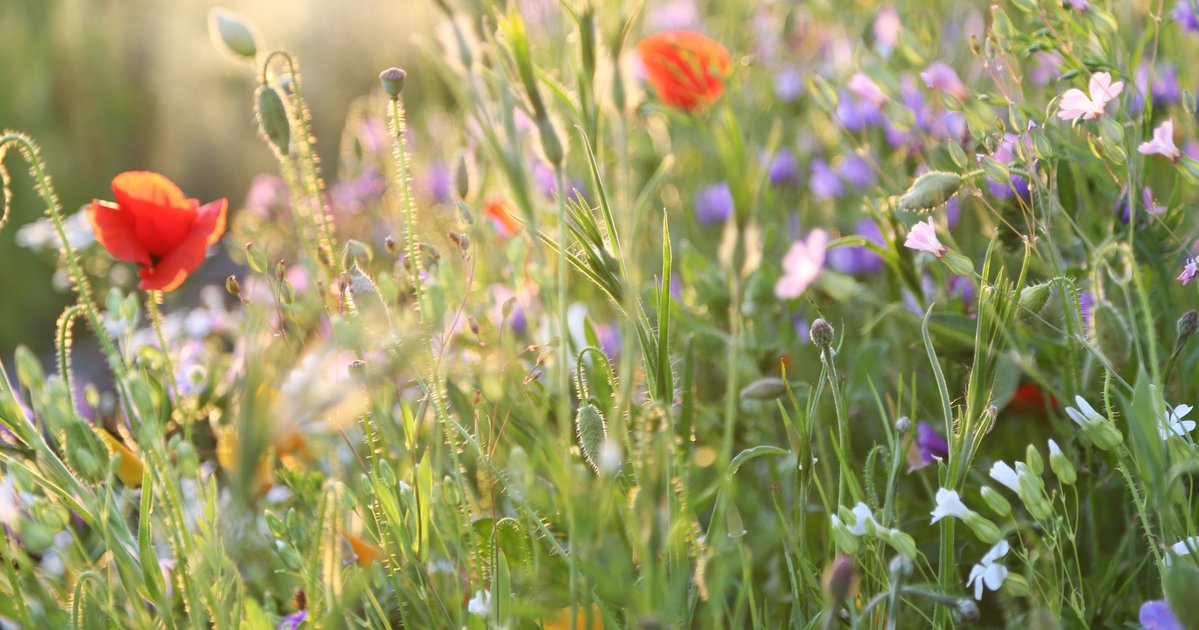
While the spring and early summer promised a vibrant display of butterflies, the intense dry conditions brought this profusion to an abrupt halt. A recent butterfly survey, conducted along a green lane that in early July boasted a rich variety of limestone-loving plants, butterflies, moths, hoverflies, and bees, revealed a dramatically altered landscape just a month later. The once lush surroundings had transformed into a parched scene, with brittle, dead grass crunching underfoot. Nectar-bearing wildflowers were conspicuously absent, save for a few resilient field scabious. Although eight different butterfly species were observed, their individual numbers were alarmingly low, reflecting the broader environmental stress. A similar decline was noted in local gardens, though buddleia and salvia continued to attract a modest number of butterflies and even multiple hummingbird hawk-moths, offering a small pocket of activity amidst the widespread desolation.
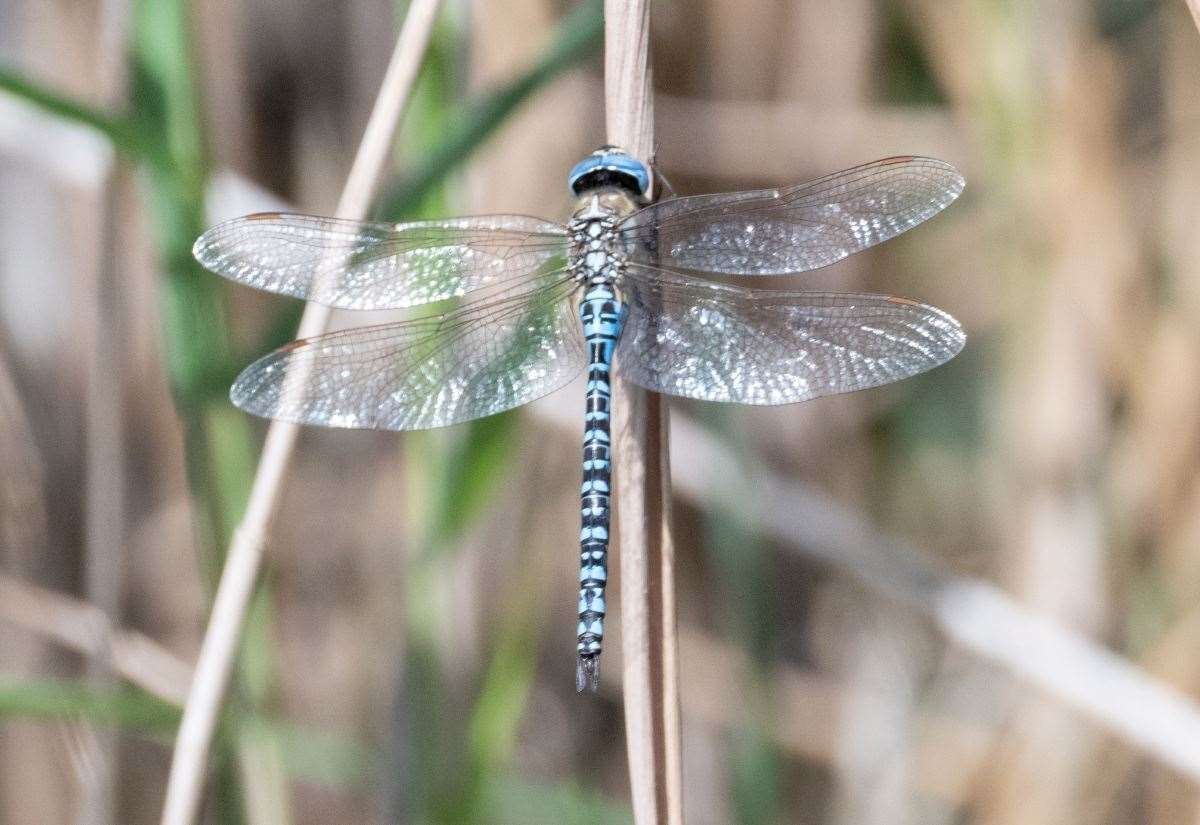
Interestingly, the high-pressure systems and warm air currents originating from southern Europe and North Africa brought with them an influx of new species to the region. This included an increase in hummingbird hawkmoths, painted lady butterflies, and several rare dragonflies, sparking excitement over the possibility of these newcomers establishing breeding populations. A particularly striking example was the southern migrant hawker, a species new to the observer. Its iridescent blue hue, significantly brighter than the more common migrant hawker seen annually from mid-summer into autumn, captivated attention. After a persistent pursuit with a camera, one finally alighted, allowing for a successful photographic capture.
The migration of species wasn’t limited to insects. A few years prior, as the Mediterranean region experienced severe arid conditions, black-winged stilts, typically found further south, ventured north in search of suitable feeding and nesting grounds. Two pairs successfully bred at the RSPB’s Frampton Marsh reserve during that time. This summer, a pair returned to Frampton Marsh and attempted to breed again, though regrettably without success. Following the abandonment of their nest, these stilts embarked on a tour, being sighted in north Norfolk before ultimately returning to Frampton, where they currently remain.
Beyond the wildlife, the hot weather has had a significant detrimental effect on agricultural yields. Crop production, particularly for wheat, has suffered, and even common vegetables like runner beans experienced issues, with flowers wilting before beans could properly set. The hardened ground further compounded difficulties for local environment and wildlife, especially birds reliant on soft ground for foraging. Species such as blackbirds and thrushes, which probe the earth for food, faced immense challenges. Even the rapidly declining little owl, whose diet largely consists of beetles and other insects rather than mammals, appeared to struggle, evidenced by the discovery of an emaciated individual near a local residence. Paradoxically, barn owls might be experiencing some benefit, as their prey—voles and mice—are forced to live above ground due to the impenetrable soil, making them easier targets.