





The Fragile Equilibrium of Small-Scale Operations
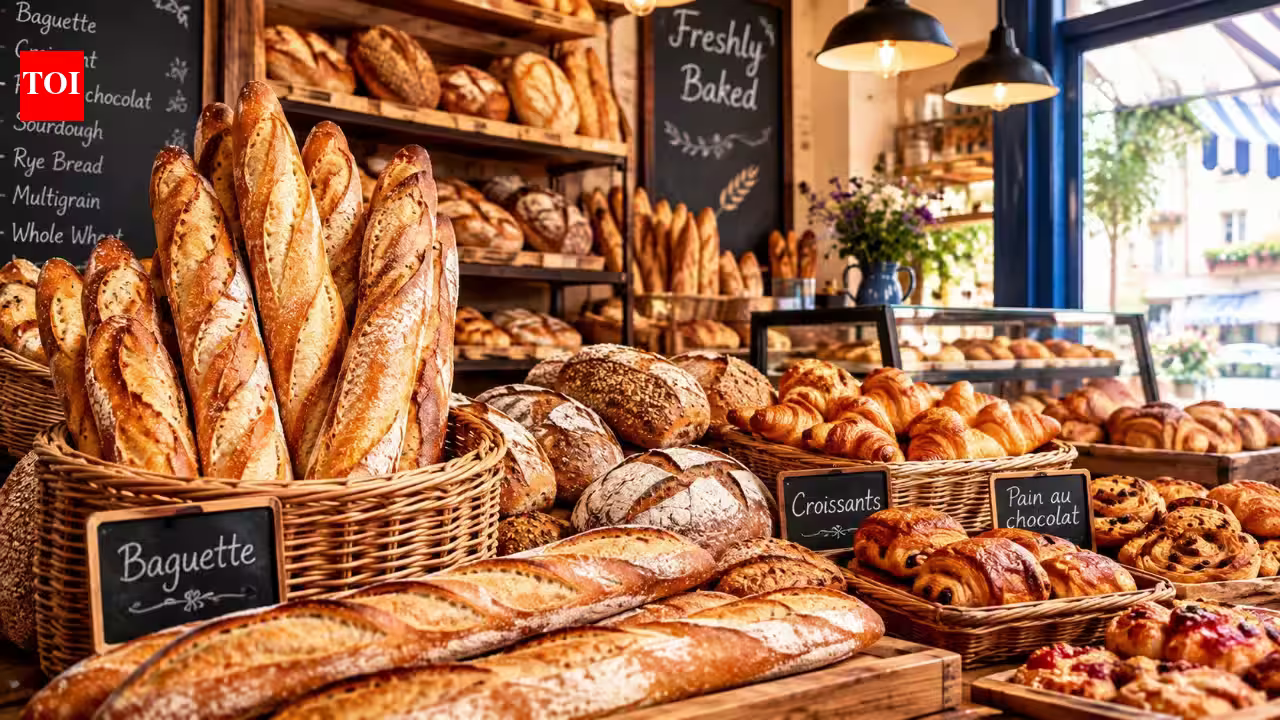
The global energy landscape is currently undergoing a period of intense volatility, with ripple effects reaching deep into the heart of traditional economies. Nowhere is this more apparent than in the French bakery sector, where the iconic baguette—a staple of daily life—has become a barometer for the broader inflationary pressures currently squeezing small businesses. For artisan bakers, the challenge is structural: their operational costs are tethered to energy-intensive processes that are highly sensitive to market fluctuations.
When energy costs spike, the impact on small enterprises is not merely a line-item variance; it is a fundamental disruption to the business model. Unlike large corporations that may possess the hedging power or scale to absorb or pass on increased production costs, small-scale bakers in regions like Saint-Just-en-Chaussée face a binary reality. They must either increase the price of their goods—risking a loss of customer base—or absorb the costs, which directly erodes their profit margins, inhibits capital expenditure, and stunts wage growth for employees. This situation highlights a precarious dependence on specific fuel sources, such as heating oil, which were previously deemed economical but have now become liabilities in an unpredictable market.
Energy Dependencies and Operational Vulnerability
The current crisis underscores the vulnerability of specialized businesses that rely on legacy infrastructure. A significant portion of the French bakery industry utilizes oil- or gas-fired ovens to achieve the specific temperatures required for their products. When fuel prices surge, these businesses experience an immediate contraction in liquidity. The data is stark: what was once a manageable monthly overhead now consumes an increasingly large portion of the business’s revenue.
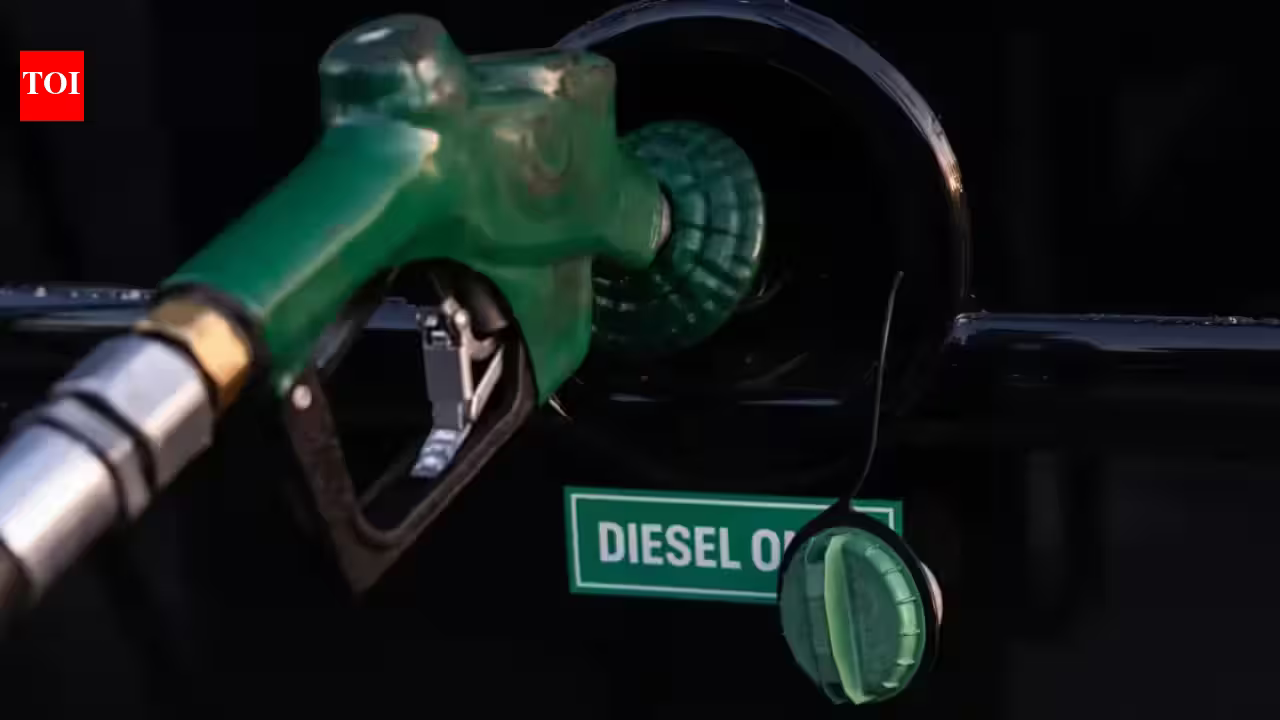
This scenario is not limited to stationary manufacturing. The mobile service sector, including food trucks that provide essential services in rural areas, faces a double burden. Owners must manage the rising costs of diesel fuel required for transportation alongside the surging costs of energy required to heat their equipment. When transport costs escalate, the radius in which a business can operate profitably shrinks. Consequently, these businesses are forced to rationalize their routes, potentially abandoning remote communities that rely on them for essential food services. This operational contraction highlights how energy price volatility can lead to “service deserts,” where the economic viability of small-scale commerce collapses under the weight of high overheads.
The Rural Economic Context
Rural economies often bear the brunt of energy shocks due to a combination of lower public infrastructure density and higher dependency on private transportation and localized heating solutions. In France, where roughly one-third of the population resides in rural regions, the reliance on heating oil for both homes and businesses is widespread. Because these regions are less integrated into electric-grid heating solutions or public transit networks, the residents and business owners have fewer immediate alternatives to pivot toward when fuel prices spike.
The socio-economic tension resulting from these pressures is significant. When the cost of doing business rises faster than the growth of local income, the result is a stagnation that affects entire communities. The threat to rural businesses is not just about the loss of individual livelihoods; it is about the erosion of the local social fabric. If small, essential businesses—such as bakeries—are forced to shutter or curtail operations due to an inability to cover their energy bills, the overall standard of living in rural areas declines, creating a cycle of economic exodus.
Strategic Parallels in the Indian Context
While the specific reliance on heating oil for ovens is a European phenomenon, the underlying economic challenges resonate deeply within the Indian business landscape. India, as a major energy importer, is inherently susceptible to global price shocks. For Indian MSMEs (Micro, Small, and Medium Enterprises), the struggle is mirrored in the rising costs of industrial fuel, electricity, and transportation.
In India, the manufacturing sector, particularly in food processing, textiles, and light engineering, relies heavily on consistent and affordable energy. Just as French bakers find their margins compressed by rising fuel prices, Indian entrepreneurs often face the “energy-cost squeeze” during periods of high crude oil prices. This is particularly felt in the MSME sector, which forms the backbone of the Indian economy. When fuel prices increase, the cost of logistics—an already significant factor in India due to geographical scale—spikes, directly impacting the final consumer price.
Furthermore, the Indian government’s approach to mitigating these shocks—often through fuel price subsidies or targeted support for specific sectors—mirrors the French experience of balancing fiscal responsibility with the necessity of social stability. The challenge for India remains the same: how to facilitate a transition toward more sustainable and less volatile energy sources without dismantling the profitability of the small-scale enterprises that provide the vast majority of employment in the nation.
Policy Responses and the Search for Sustainability
The intervention of the French government, providing aid packages and subsidies to offset the burden of energy costs, represents a classic fiscal attempt to stabilize an economy in distress. However, such measures are essentially reactive. The long-term solution requires a shift away from fossil fuel dependency in sectors where it has become a liability. This transition, however, is capital-intensive. Improving insulation in older buildings, upgrading to high-efficiency electric ovens, or investing in alternative energy sources requires significant upfront investment—capital that these small businesses currently lack because their earnings are being redirected to simply maintain daily operations.
The situation in France serves as a case study for global policymakers. It demonstrates that the transition to a sustainable economy cannot be a top-down mandate imposed upon those least equipped to bear the financial burden. Without targeted investment in infrastructure upgrades for small businesses, the energy transition risks being seen as an elitist policy that disproportionately punishes the rural middle class and small business owners.
The Path Forward: Resilience through Adaptation
The current energy shock is a wake-up call regarding the fragility of decentralized production models that depend on traditional energy markets. For the business owner, the priority must shift toward long-term resilience. This includes investing in energy audits to identify efficiencies, exploring cooperative purchasing to lower bulk fuel costs, and, where possible, diversifying energy sources to reduce reliance on a single commodity.
Ultimately, the survival of industries—whether in the French heartland or the industrial hubs of India—depends on their ability to decouple their productivity from the volatility of international oil markets. Governments and industry bodies must collaborate to provide the necessary support, not just in the form of temporary subsidies, but through structural incentives that favor long-term energy independence. The baguette remains a staple, but the methods of its creation must evolve if the craft is to survive in an era defined by constant energy flux. The businesses that will remain standing are those that can successfully transition from fossil-fuel dependence to more stable, sustainable operational frameworks.
Disclaimer: This content is auto-generated for informational purposes only.
Source: Read Original News