







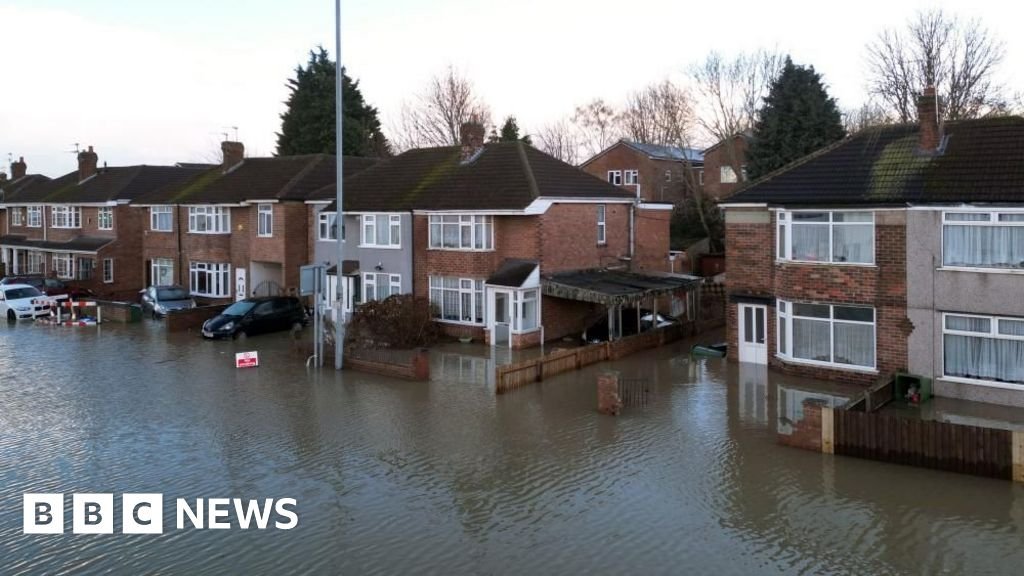
Aviva Group CEO Amanda Blanc has issued a stark warning regarding the future of the UK housing market, cautioning that thousands of new homes are being constructed in areas that may eventually become impossible to insure. Speaking at a high-level industry forum, Blanc highlighted a growing disconnect between aggressive government housing targets and the escalating climate risks that property developers are failing to adequately address.
As the insurance industry faces mounting pressure from extreme weather events, the gap between traditional construction practices and the reality of a changing climate has become a focal point for tech-driven risk assessment models.
The Intersection of Climate Risk and Predictive AI
The core of the issue lies in how insurance companies evaluate risk. For modern insurers like Aviva, the era of relying solely on historical weather data is over. Instead, the industry is increasingly turning to sophisticated AI and geospatial analytics to predict long-term property viability. By leveraging cloud-based platforms like Google Earth Engine and bespoke machine learning models, insurers can now simulate flood risks, soil stability, and fire hazards with unprecedented precision.
Blanc’s comments reflect a broader trend where insurers are integrating climate data into their digital underwriting processes. These AI-driven tools analyze topographical shifts and climate projections to determine whether a property remains a viable asset over a 30-year mortgage cycle. When developers ignore these predictive outputs, they risk creating “stranded assets”—homes that look profitable today but could face catastrophic insurance premiums or total uninsurability by 2050. The tech industry is currently working closely with financial institutions to refine these datasets, aiming to force transparency into the planning stages of new infrastructure.
Digital Planning and the Role of Smart Infrastructure
The challenge is not just identifying high-risk zones, but integrating better data into the national planning system. There is a growing consensus that the UK’s planning portal infrastructure requires a digital upgrade. Current systems are often fragmented, failing to account for the real-time data streaming from modern smart city sensors and global climate observation networks.
Industry experts suggest that if developers utilized advanced BIM (Building Information Modeling) software coupled with predictive climate analytics, they could design resilient communities from the ground up. By utilizing Google Cloud’s high-performance computing capabilities, urban planners could run millions of environmental stress-test scenarios before the first brick is laid. This would allow for the construction of elevated foundations, permeable urban drainage systems, and heat-resistant materials that could mitigate the very risks Blanc is warning against.
Bridging the Policy-Technology Gap
The warning from Aviva signals that the insurance sector is prepared to withdraw coverage from high-risk areas if government policy does not align with scientific forecasts. This creates a looming crisis for the tech-led construction industry, which relies on consistent insurability to secure financing for large-scale projects.
To avoid a future where vast swathes of residential real estate are deemed “uninsurable,” the government must modernize its digital infrastructure. This involves creating a unified, data-rich repository where insurers, developers, and local councils share access to the same climate-modeling metrics. As Google and other tech giants continue to advance the accuracy of climate forecasting technology, the burden shifts to policy-makers to enforce these standards.
Blanc’s intervention serves as a digital wake-up call. It suggests that the future of housing is not just about the number of units built, but about the quality of the data underpinning those developments. Without a cohesive strategy that fuses robust climate tech with sensible land-use policy, the UK risks a future where the homes built today become the insurance liabilities of tomorrow.
Disclaimer: This content is auto-generated for informational purposes only.
Source: Read Original News