
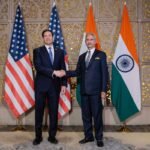






Strengthening Ties: U.S. Secretary of State Marco Rubio Holds High-Level Talks with EAM Jaishankar in Mumbai
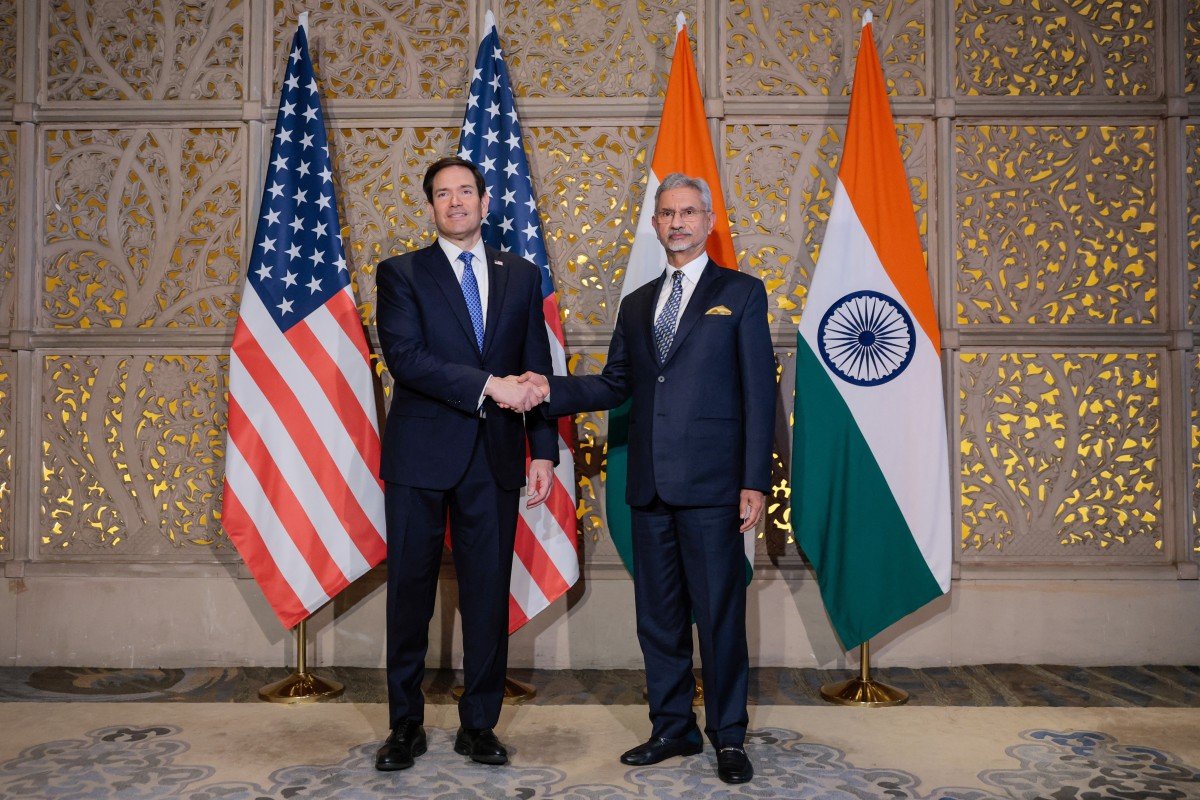
MUMBAI — U.S. Secretary of State Marco Rubio and India’s External Affairs Minister Subrahmanyam Jaishankar met in Mumbai today, signaling a renewed commitment to deepening the strategic partnership between the two nations. The high-stakes dialogue focused on navigating a volatile global landscape while identifying new avenues for economic and technological collaboration.
The meeting provided a platform for both leaders to synchronize their positions on pressing international concerns, with significant time dedicated to the ongoing instability in the Middle East. As both India and the United States play pivotal roles in maintaining regional stability, the discussion underscored a shared interest in mitigating geopolitical risks that threaten international security and commerce.
Energy Security and Diversification
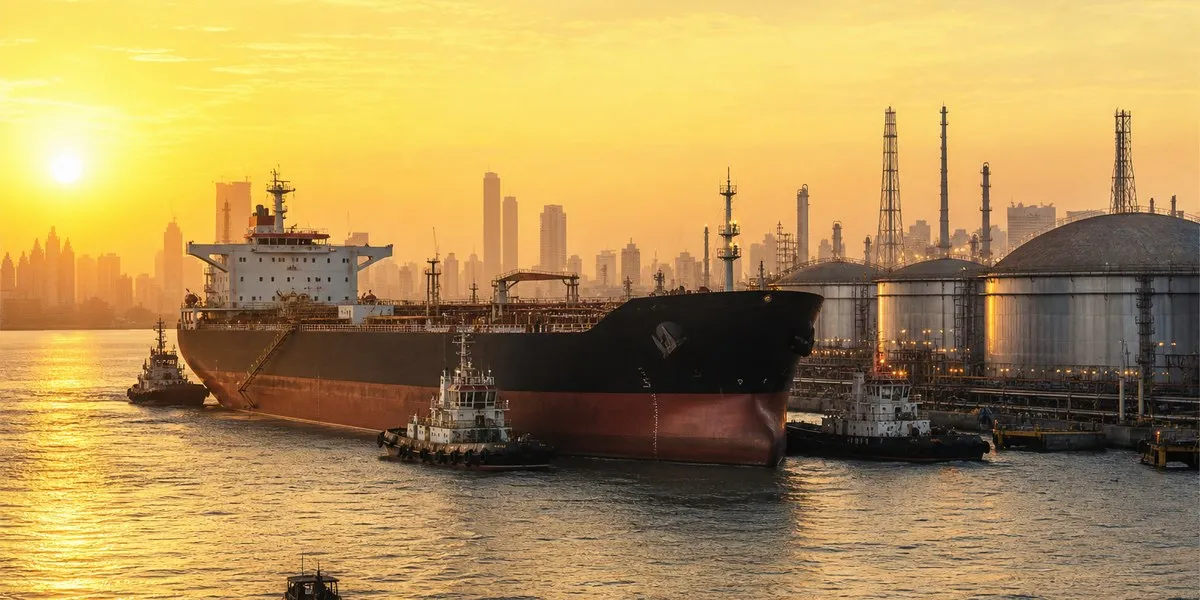
A central pillar of the conversation was the expansion of the bilateral energy relationship. Secretary Rubio emphasized that the United States is uniquely positioned to assist India in meeting its massive consumer energy demand while simultaneously helping New Delhi diversify its energy import portfolios.
By increasing energy trade, the U.S. aims to serve as a reliable partner in India’s ongoing efforts to secure supply chains. This shift not only promises to stabilize India’s domestic energy market but also aligns with the broader strategic goal of reducing over-reliance on traditional, less stable energy corridors.
Defense and Civil Nuclear Cooperation
The discussion further highlighted the impressive momentum behind the U.S.-India defense and civil nuclear frameworks. Secretary Rubio commended the progress made in these sectors, which have become bedrock components of the bilateral relationship.
Looking toward the future, the Secretary strongly advocated for the increased procurement of advanced American technologies and defense systems by the Indian government. He articulated that such investments are not merely transactional; rather, they serve as a catalyst for mutual security and economic prosperity. By integrating more sophisticated U.S. platforms into its defense architecture, India could enhance its operational readiness, while the U.S. defense sector benefits from a deeper, more collaborative relationship with one of the world’s most significant militaries.
A Strategic Path Forward
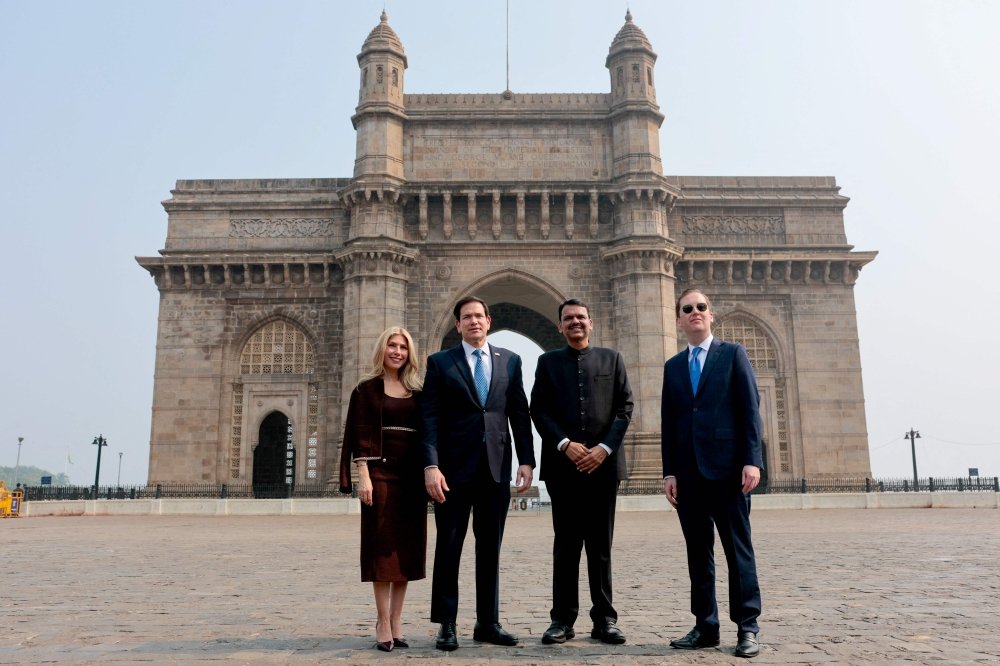
The choice of Mumbai for this meeting reflects the city’s status as India’s financial heartbeat and its central role in the country’s burgeoning technological and commercial growth. As global power dynamics shift, the alignment between Washington and New Delhi has become increasingly critical.
Both leaders reaffirmed their commitment to a “free and open” framework, emphasizing that the partnership between the world’s two largest democracies is essential for global order. While the meeting touched on diverse areas of cooperation, the overarching message was clear: the U.S. and India are moving toward a more integrated approach that prioritizes long-term resilience over short-term gains.
As the talks concluded, officials signaled that these discussions would lay the groundwork for future bilateral engagements, particularly in the fields of high-tech manufacturing and strategic infrastructure. The meeting serves as a definitive step in elevating the U.S.-India relationship from a strategic alignment to a comprehensive, transformative alliance.
Disclaimer: This content is auto-generated for informational purposes only.
Source: Read Original News