








India-US Trade Deal Nearing Finish Line as Energy Diplomacy Takes Center Stage
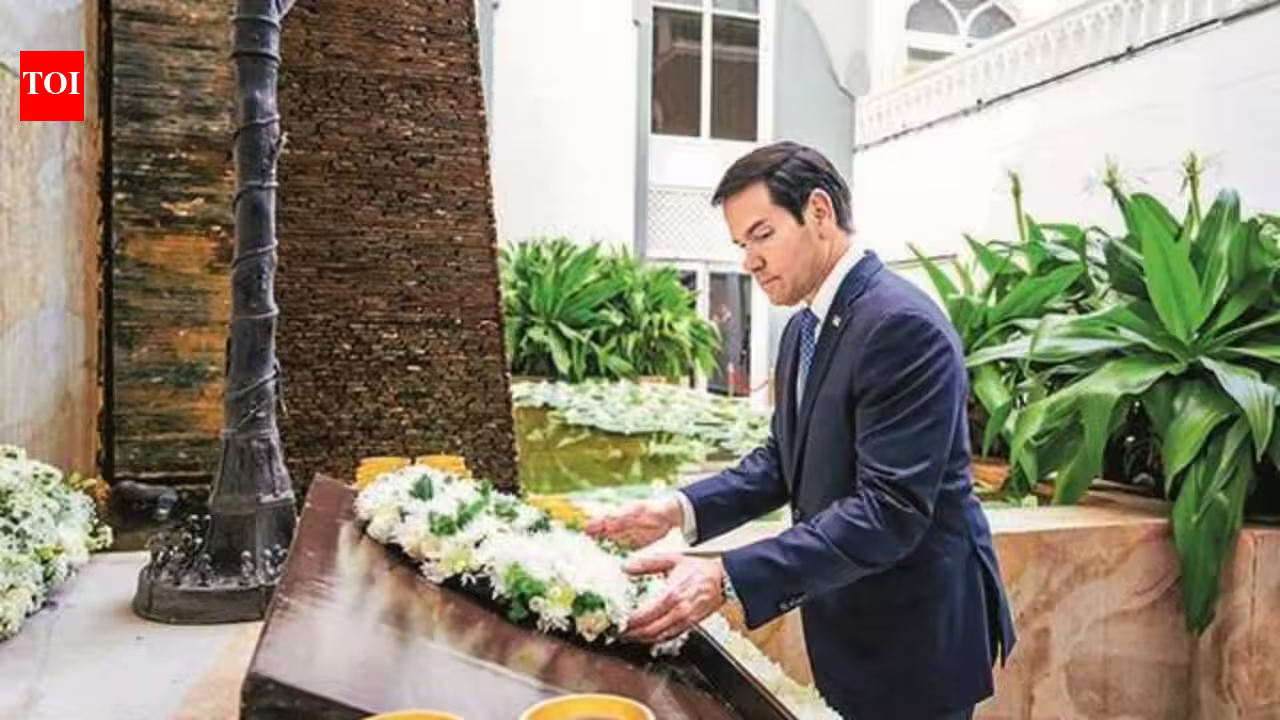
New Delhi: US Secretary of State Marco Rubio, currently on a three-day visit to India, has signaled a significant breakthrough in bilateral trade relations. Speaking to the press in Mumbai on Tuesday, Rubio expressed high confidence that the long-awaited India-US trade agreement is on the verge of completion, noting that both nations are “very, very close” to finalizing the deal.
The optimism comes as the US shifts its diplomatic strategy, prioritizing commercial interests and energy security. The visit is particularly notable for its deviation from standard diplomatic protocol; instead of focusing solely on New Delhi, Rubio’s itinerary places heavy emphasis on India’s financial and industrial hubs—Mumbai and Jamnagar.
Strengthening Energy Ties via Reliance
A core objective of Rubio’s mission involves deepening energy cooperation with India’s private sector. Recognizing India as a global “refining superpower,” the US Secretary of State is expected to hold high-level discussions with Reliance Industries chairman Mukesh Ambani in Jamnagar.
The agenda includes exploring opportunities for Reliance to process larger volumes of Venezuelan crude oil at its massive refining complex. Furthermore, Washington has indicated a willingness to see the Indian conglomerate expand its footprint by potentially exploring oil production opportunities within Venezuela. This strategic pivot highlights the role Indian corporate giants are expected to play in the evolving energy architecture between the two democracies.
Navigating Complex Geopolitics
The diplomatic outreach occurs against a backdrop of complex global tensions. India’s continued purchase of Russian crude—essential for its own energy security—has long been a point of contention in Washington. However, a recent decision by the Trump administration to waive potential tariffs on major buyers of Russian oil has effectively neutralized a significant hurdle in the trade negotiations.
While the tariff waiver has faced scrutiny from some US lawmakers who advocate for a harder stance against Moscow, it underscores the priority the current US administration places on securing a bilateral trade pact with New Delhi.
A Pragmatic Strategic Partnership
The Ministry of External Affairs (MEA) confirmed that External Affairs Minister S. Jaishankar and Secretary Rubio held productive talks covering a broad spectrum of issues, including technology, defense, and regional stability. Both sides reaffirmed their commitment to concluding the Bilateral Trade Agreement (BTA) at the earliest.
The choice of Mumbai and Jamnagar for these meetings has sparked debate among diplomatic observers. Former diplomat Suresh K. Goel noted that the unconventional focus on corporate centers rather than government offices in the capital suggests that the primary agenda is heavily driven by commercial and energy-focused diplomacy.
Despite intermittent frictions over trade tariffs and diplomatic approaches, experts emphasize that the India-US relationship remains one of the most critical partnerships in the global landscape. As Goel observed, India’s position as a key democratic and economic pillar in Asia makes it an indispensable partner for the United States, urging both nations to navigate minor disputes with the maturity required for a long-term strategic alliance.
As negotiations enter the final stretch, the focus now shifts to how effectively India and the US can integrate their private sector capabilities to achieve broader geopolitical and economic objectives.
Disclaimer: This content is auto-generated for informational purposes only.
Source: Read Original News