








Netflix is signaling a significant shift in its operational strategy following a challenging third quarter that saw domestic growth stall and a notable leadership shake-up. During the company’s recent earnings call, co-CEO Ted Sarandos emphasized that while the streamer’s foundational business model remains robust, the company is pivoting toward a more aggressive execution phase—particularly within the United States.
## A Mandate for Better Execution
Sarandos addressed investor concerns regarding the U.S. market, acknowledging that while the platform continues to produce successful titles, the domestic subscriber growth rate is falling short of internal targets. He characterized the year’s releases as “solid doubles and triples” but stressed that the global nature of Netflix’s business requires “home runs” that can travel across international borders.
“The business and the business flywheel are working. There’s no need for a fundamental shift in strategy,” Sarandos stated. Instead, the focus will be on refining how the company develops and markets content to ensure maximum cultural impact. This pivot comes as part of a larger effort to optimize performance in a highly competitive streaming landscape where audience retention is increasingly difficult.
## Leadership Transition and the Peter Rice Era
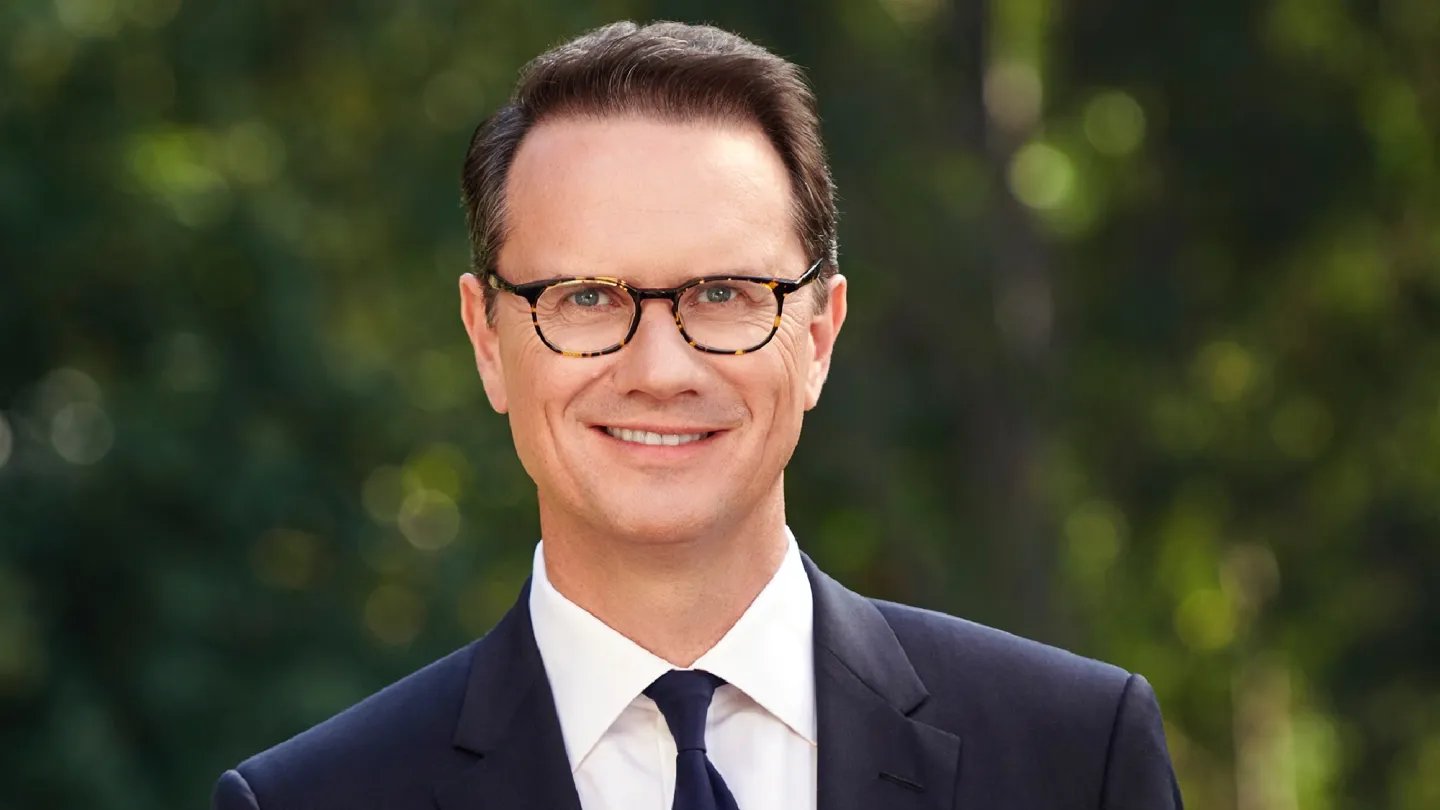
The strategy to revitalize content performance is anchored by the appointment of Peter Rice, the veteran media executive formerly of Disney and Fox. Rice, who is set to assume the role of chief content officer on October 26, is replacing Bela Bajaria. While Sarandos lauded Bajaria for her success in scaling Netflix’s international content teams, the move suggests a desire for a fresh perspective in the U.S. market.
Sarandos highlighted Rice’s extensive background in both linear and streaming media as a key asset. The company is banking on Rice’s reputation for managing “at-scale quality and volume” to navigate the complexities of talent relations. In an industry where top-tier creators have an abundance of platforms to choose from, Netflix is aiming to solidify its reputation as the premier home for high-caliber creative work. By leveraging Rice’s industry-wide relationships, Netflix hopes to secure the projects that will drive both subscriber acquisition and long-term engagement.
## Organizational Rightsizing and Future Growth
Alongside the executive transition, co-CEO Greg Peters provided context regarding the recent decision to lay off approximately 1,000 employees. Peters framed the workforce reduction as a necessary step for an organization that had “overinvested” during its rapid expansion phase.
“When you’ve driven considerable top-line growth… it’s not unusual to find that there are some areas that we built quickly and we ended up overinvested in,” Peters explained. He noted that the company typically prefers to iterate and adjust organically, but the recent market volatility required a more decisive “forcing function” to trim inefficiencies.
This restructuring is part of a broader corporate mandate to force the organization to audit its operations critically. By redirecting resources and trimming bloat, Netflix aims to emerge leaner as it enters the next chapter of its growth. As the company navigates this transition, the focus remains on achieving the right balance between volume, cost-efficiency, and the high-quality storytelling that has defined its brand for over a decade. Whether this change in leadership and internal structure can jumpstart U.S. subscriber numbers remains the primary question for shareholders heading into the next fiscal year.
Disclaimer: This content is auto-generated for informational purposes only.
Source: Read Original News