







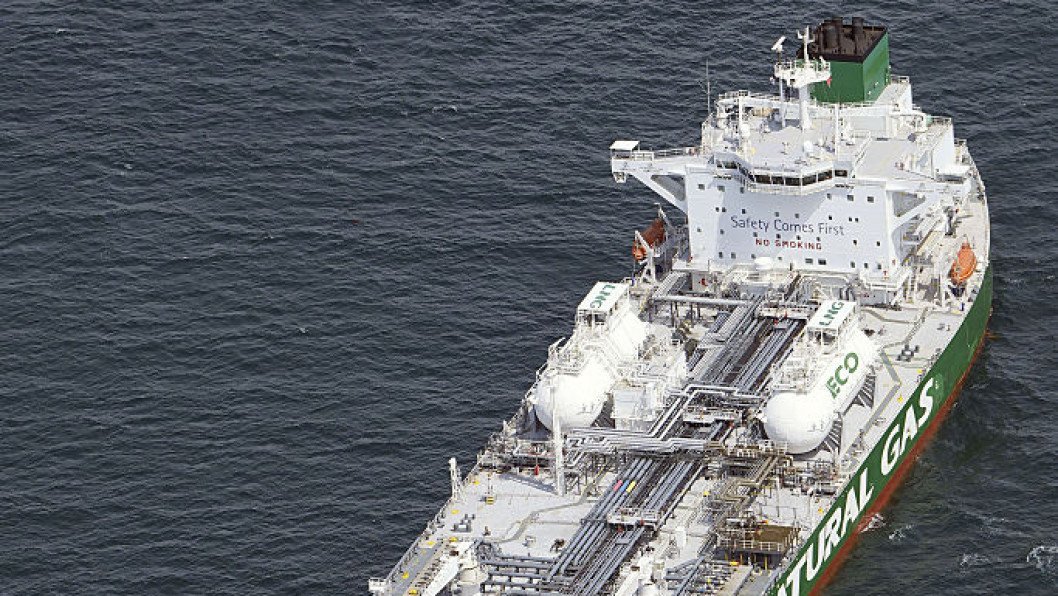
The 138,200-cubic-meter LNG tanker Kunpeng was left stranded near Singaporean waters after India rejected a sanctioned Russian cargo from the Portovaya LNG plant, Reuters reported on May 11.
The vessel had been carrying liquefied natural gas from Russia’s Portovaya facility and was initially headed to India’s Dahej terminal. Its destination was later withdrawn, leaving the tanker without a clear delivery point.
We bring you stories from the ground. Your support keeps our team in the field.
New Delhi conveyed its refusal to accept the cargo during Russian Deputy Energy Minister Pavel Sorokin’s visit to India on April 30, according to two sources cited by Reuters.
One source said the cargo had been tracked as Russian despite documentation suggesting otherwise. India reportedly declined the shipment because of US sanctions targeting the Portovaya LNG plant.
India remains the largest buyer of Russian seaborne crude, but LNG cargoes are harder to disguise than oil shipments moved through ship-to-ship transfers. Unlike crude, LNG requires specialized tankers, fixed terminals, and tighter tracking across the supply chain.
The United States imposed sanctions on Russia’s Portovaya LNG plant and the Arctic LNG 2 project in January. Both facilities have been central to Moscow’s efforts to expand LNG exports despite Western restrictions.
-4b416d3e3e5d5a37a3203628ecfe5ef5.jpg)
India’s Russian crude purchases have continued under a temporary waiver, while New Delhi has remained open to authorized Russian gas volumes. However, most unsanctioned Russian LNG supplies are already committed under existing contracts, leaving little room for new spot deliveries.
The rejected cargo comes amid tighter gas supplies linked to disruptions in Middle East shipping routes, including the Strait of Hormuz.
The stalled cargo marks a sharp reversal from earlier in the year, when Russia and India had advanced discussions on resuming direct LNG deliveries.
In March, it was reported that an agreement could be finalized within weeks if New Delhi gave final approval. The proposed arrangement was set to restore shipments from Russia’s Arctic LNG 2 project after earlier export plans were disrupted by sanctions.
Those negotiations were led by Sorokin and Puri during a March 19 meeting in New Delhi, where officials discussed long-term energy cooperation, including LNG deliveries and broader oil supply arrangements.


We report from the front lines to show the reality of war. Your support helps us stay there and tell the stories that matter.