








Ensuring safe drinking water and effective wastewater treatment is fundamental to public health. Achieving this depends on specialist expertise.
Here, Jaimi Wallin at Concrete Repairs Limited (CRL), a leader in concrete refurbishment and asset maintenance, describes how the company supports water companies in maintaining their water and wastewater infrastructure through inspection, repair, and rehabilitation, ensuring assets remain safe, reliable, and resilient.
UK water companies estimate that nearly £290 billion of additional investment will be needed over the next 25 years to meet government targets on leakage reduction, consumption management, asset maintenance, and environmental performance. This figure highlights the scale and complexity of maintaining and modernising our ageing infrastructure to meet growing demand, while underscoring the need for long-term planning, innovative delivery models, and enhanced resilience to withstand climate pressures, population growth, and evolving regulatory expectations. Collaboration between industry, regulators, and suppliers will be essential to achieve these outcomes efficiently.
AMP8, the UK water sector’s most ambitious investment programme to date, aims to improve asset performance and environmental outcomes between 2025 and 2030. Water companies are working closely with specialist contractors and supply chains to identify efficiencies and innovations, refine processes, and deliver solutions that balance economic and environmental benefits.
Concrete Repairs Limited (CRL) is among the contractors rising to this challenge. With more than 70 years of experience and a turnover of £70 million, CRL inspects, repairs, rehabilitates, and strengthens the water industry’s structural concrete assets. Its seven regional offices ensure proximity to projects, enabling prompt, effective action whenever issues arise.
CRL operates across both the clean water and wastewater sectors, each with unique challenges. Assets are often in confined or potentially hazardous environments, and work on clean water infrastructure must comply with strict legislation to protect water quality. Wastewater systems, however, require long-term resilience with minimal environmental impact.
Regulation 31 of the Water Supply (Water Quality) Regulations 2016, developed under the EU Drinking Water Directive, sets stringent requirements for products and chemicals used in public water supplies, ensuring no compromise to water quality or safety. CRL guarantees that compliance is maintained through risk-based drinking water safety plans, ensuring all materials are installed according to the manufacturers’ IFUs (Instructions for Use), supported by thorough monitoring, auditing, and record-keeping.
Drinking water reservoirs, often secure and elevated to provide network pressure, present particular challenges. CRL’s specialist teams have decades of experience operating in these environments. Rigorous procedures for confined space entry and working at height, reinforced by regular rescue drills, ensure teams remain prepared and vigilant throughout every project.
To reduce disruption to customers, shorten refurbishment programmes, and deliver cost efficiencies, CRL has pioneered techniques whereby maintenance work can be safely carried out on live service reservoirs, during normal operations and in emergency situations. Our methods are continually refined to incorporate modern construction practices and advanced materials.
To ensure storage assets continue to deliver safe, reliable drinking water across the UK, CRL, in conjunction with the water company engineers, routinely carry out asset inspections on their concrete assets. These are completed by directly employed staff, which helps support rapid, informed decision-making and the collaborative development of sustainable, cost-effective refurbishment strategies when issues are detected.
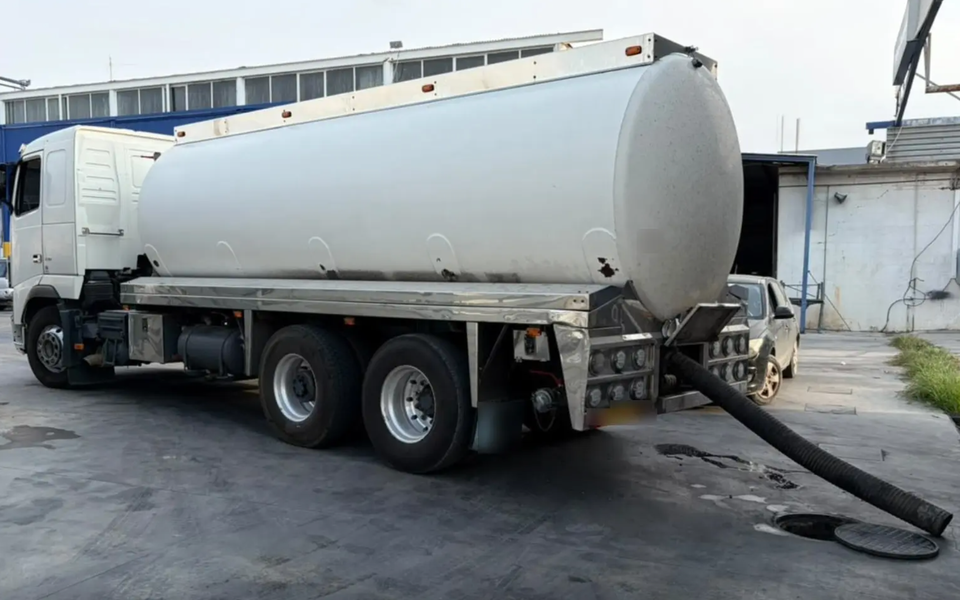
In the wastewater sector, increasingly frequent and intense rainfall adds pressure to drainage systems and critical infrastructure. Sewer overflows are becoming more common, increasing the risk of contamination. Repairing and sealing storm tanks restores capacity, reduces overflow events, and mitigates flood risk.
Storm tank refurbishment involves removing sediment, repairing cracks, and applying specialised linings or coatings to ensure reliable operation. These measures prevent untreated wastewater from polluting rivers and help water companies meet their environmental obligations. CRL has delivered numerous such refurbishments nationwide, strengthening the resilience of wastewater networks.
Repairing rather than replacing infrastructure delivers significant environmental benefits. Refurbishment reduces carbon emissions, conserves resources, and avoids the waste associated with new construction. Preserving existing structures protects embodied carbon and minimises the ecological footprint of maintenance works.
Maintaining water and wastewater infrastructure is a profound responsibility. Water is our most vital resource, and public well-being depends on its consistent quality and availability. Water companies are stepping up to the mark, and considerable progress has already been made in identifying vulnerable assets, tackling deterioration, and addressing leakage. CRL remains committed to driving innovative, sustainable, resilient solutions that safeguard this essential resource for generations to come, while strengthening wastewater networks to manage increased rainfall, mitigate flooding risk, and protect communities from the consequences of overflows.