







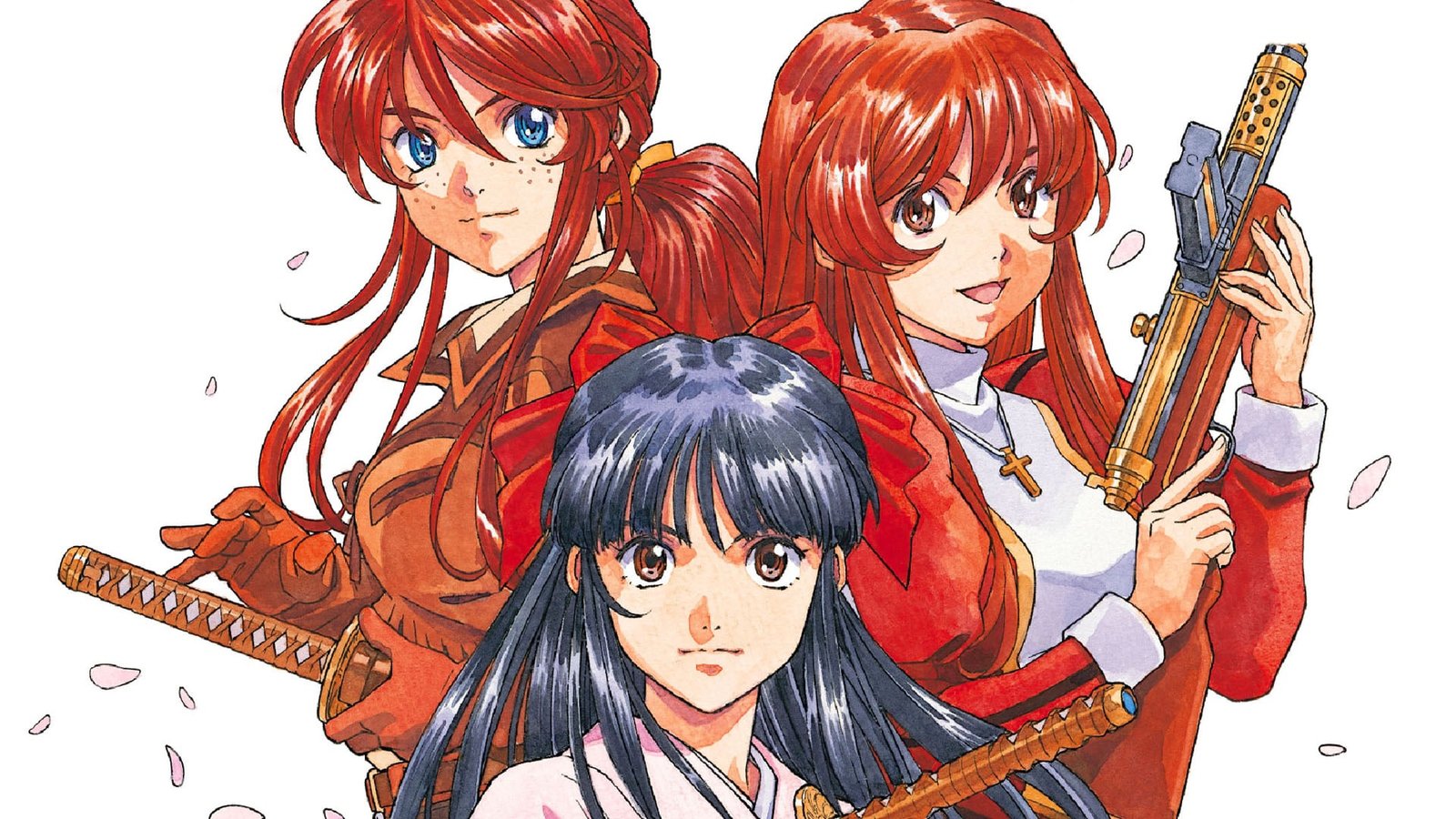
Revitalizing a Steampunk Legacy: The State of Sakura Wars
The Sakura Wars series, a landmark fusion of tactical role-playing and dating simulation, recently reached its 30th anniversary. To commemorate three decades of this genre-defining franchise, Weekly Famitsu conducted an extensive interview with the architects of the series. The insights provided by creator Oji Hiroi and producer Akira Nishino have generated significant discussion regarding the potential trajectory of the property, ranging from the existence of lost narrative assets to the technical challenges of bringing legacy titles to contemporary hardware.
As the industry continues to prioritize the preservation of classic software and the modernization of back catalogs, the revelations regarding the Sakura Wars franchise offer a case study in how long-running intellectual properties manage historical content and future development pipelines. While no formal development cycle for a sixth entry has been greenlit, the disclosure that a functional narrative outline exists serves as a noteworthy pivot point for the series’ future.
The Technical and Creative Status of Sakura Wars 6
The most striking revelation from the anniversary coverage concerns the narrative framework for a potential successor to the franchise. Oji Hiroi confirmed that he previously developed a comprehensive plot for a project titled Sakura Wars 6. Notably, Hiroi specified that the title would utilize the Arabic numeral “6” rather than the Roman numeral “VI,” a deliberate shift in nomenclature intended to distinguish the project from the previous installment.
The narrative concept centers on a character identified as “Black Swan,” whose role involves cryogenic hibernation—a classic trope that the creator believes provides a compelling foundation for the series’ characteristic blend of steampunk aesthetics and interpersonal drama. However, Hiroi acknowledged the precarious nature of this documentation. The original digital files may no longer reside on his primary hardware, and the location of existing copies remains restricted to a select few individuals. Despite this, Hiroi indicated that the development of a prototype would be a matter of professional engagement; he remains open to returning to the project should the necessary resources and formal requests be provided by the rights holders.
Modernizing the Back Catalog
A significant portion of the discourse focused on the accessibility of the original games. Akira Nishino, a veteran producer at SEGA who has contributed to the series since the early days of Sakura Wars: Hanagumi Taisen Columns, addressed the challenges associated with porting the older titles to modern systems. Currently, the series, which spans from the inaugural 1996 release to Sakura Wars V: So Long, My Love, remains largely confined to older consoles.
Nishino emphasized that there is a strong institutional desire at SEGA to facilitate the transition of these titles to current-generation platforms. However, he acknowledged that this is not a straightforward software migration. The “various circumstances” cited likely refer to complex licensing agreements, the difficulty of optimizing legacy code for modern engines, and the logistical hurdle of ensuring an authentic experience across disparate controller architectures. Despite these technical barriers, the team is actively investigating methodologies to ensure these titles do not remain stranded on obsolete hardware.
The Narrative Arc of New Sakura Wars
Beyond the legacy titles, the 2019 reboot—commonly referred to as New Sakura Wars—remains a subject of interest regarding its long-term storytelling. Nishino revealed that he possesses a structured, finalized vision for how the narrative of the 2019 title reaches its ultimate conclusion.
The technical implication here is that the foundation for a cohesive series arc has been established in the minds of the creative leads. Nishino expressed a firm stance against allowing this trajectory to remain a theoretical exercise, underscoring his desire to see this narrative vision materialized through interactive media. While he stopped short of confirming a sequel that would directly address these plot threads, his remarks suggest that there is an internal roadmap for the continuation of the current iteration’s storyline.
Collaborative Efforts and Future Initiatives
The anniversary proceedings also highlighted the involvement of Satoru Akahori, a key scenario writer for the earlier entries who stepped away from the franchise after the fifth game. Akahori’s confirmation that he has begun working on a project related to the franchise again indicates a renewed collaborative focus. While the specific nature of his current involvement is under non-disclosure, it implies a concerted effort to integrate the voices that helped define the series’ initial success into its future endeavors.
SEGA is currently preparing additional high-level initiatives to coincide with the 30th-anniversary celebration. These efforts extend beyond the previously utilized marketing channels, such as stage plays and pop-up events. Nishino noted that the company is currently finalizing a significant announcement. While he did not clarify whether this initiative would manifest as a new video game title, the scale of the preparation suggests that the company is aiming to reinvigorate the franchise’s presence within the market.
The Intersection of History and Innovation
The Sakura Wars franchise occupies a unique position in gaming history. By balancing the strategic complexity of turn-based combat with the character-driven depth of visual novels, the series helped establish a template for the modern role-playing experience. The current uncertainty surrounding the transition of these games to modern platforms highlights the ongoing tension between preserving gaming history and the logistical difficulties of software porting.
As SEGA navigates the next chapter of the Sakura Wars legacy, the focus remains on leveraging past narrative foundations while addressing the demands of a modern player base. Whether through the archival work required to bring early titles to contemporary hardware or the potential mobilization of new projects like the “Black Swan” storyline, the series is clearly in a phase of strategic evaluation. For followers of the franchise, the next few years will likely determine whether the Sakura Wars series successfully bridges the gap between its 20th-century origins and the current landscape of high-fidelity, accessible gaming.
Disclaimer: This content is auto-generated for informational purposes only.
Source: Read Original News