







US Reduces Embassy Staff in Middle East Amid Heightened Iranian Threat
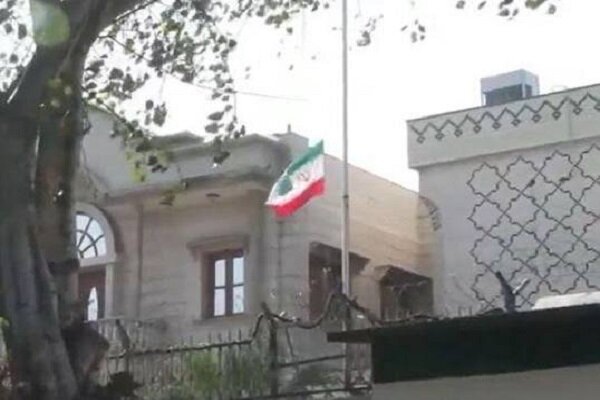
The United States has initiated a significant reduction of personnel at four of its diplomatic missions in the Middle East, citing urgent intelligence regarding increased efforts by Iran to target American citizens and officials. The move comes as tensions between Washington and Tehran continue to climb, with the threat of potential lethal attacks reaching what officials describe as an “advanced stage.”
Intelligence Warning Triggers Security Shift
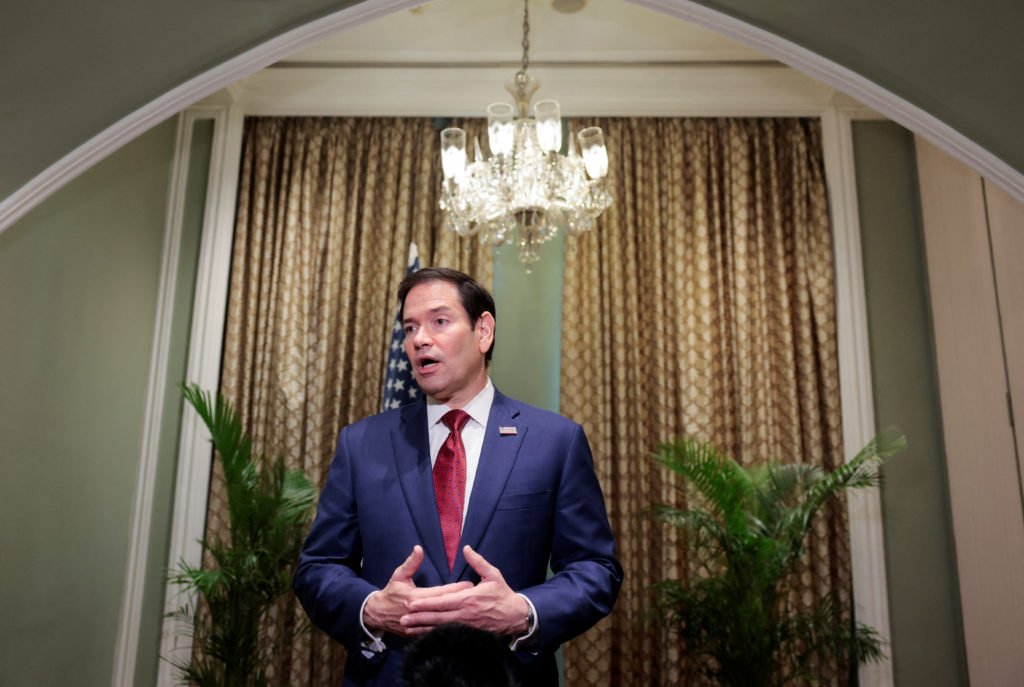
In a confidential memo addressed to Secretary of State Marco Rubio, Director of National Intelligence Jay Clayton warned that Iran has substantially ramped up its efforts to jeopardize U.S. interests. According to the intelligence provided, these threats are not limited to the Middle East but extend to other regions globally.
The staffing drawdowns are affecting U.S. embassies in Jordan, Lebanon, Qatar, and the United Arab Emirates. While these facilities will remain open and operational, they are currently functioning under restricted conditions. This follows a more aggressive security posture adopted in Saudi Arabia, where nonessential personnel and their families were recently ordered to exit the country entirely.
Regional Tensions and the Houthi Factor
The official justification for the embassy drawdowns has been complex. While the State Department initially cited the escalating danger posed by Yemen’s Houthi rebels—who have been launching drone and missile strikes against Saudi Arabia—the memo from Clayton links these security adjustments directly to the broader Iranian campaign.
Government officials, speaking on condition of anonymity, noted that the threats from the Iranian-backed Houthis and the direct Iranian plotting are closely intertwined. Despite the heightened security measures, the U.S. government has been keen to emphasize that these actions are not precursors to new military strikes against Iran, aiming to avoid further destabilization in an already volatile region.
Rhetoric and Economic Fallout
The climate of confrontation remains intense. At a recent rally in Florida, President Donald Trump alluded to “Operation Epic Fury,” suggesting that the U.S. military is prepared to conduct further actions if the current stalemate persists. “If they’re smart, they’ll just say, ‘Let’s get down to business,'” Trump remarked, reiterating that the door for diplomacy remains open but that the U.S. will not hesitate to defend its personnel.
On the other side of the conflict, Iran’s Revolutionary Guard has issued renewed warnings, threatening to strike U.S. military assets in the region should Washington continue to provide naval protection for commercial vessels navigating the Strait of Hormuz. Iranian Foreign Minister Abbas Araghchi has warned that any further escalation in the strait would place the global economy and civilian lives at grave risk.
As the November 3 midterm elections approach, the ongoing shadow war poses a significant challenge for the Trump administration. With the conflict driving up global energy costs and complicating domestic political efforts, the situation remains a delicate balancing act for U.S. policymakers. For now, diplomatic efforts to bring Tehran and Washington back to the negotiating table remain at an impasse, leaving the region in a state of high alert.
Disclaimer: This content is auto-generated for informational purposes only.
Source: Read Original News