








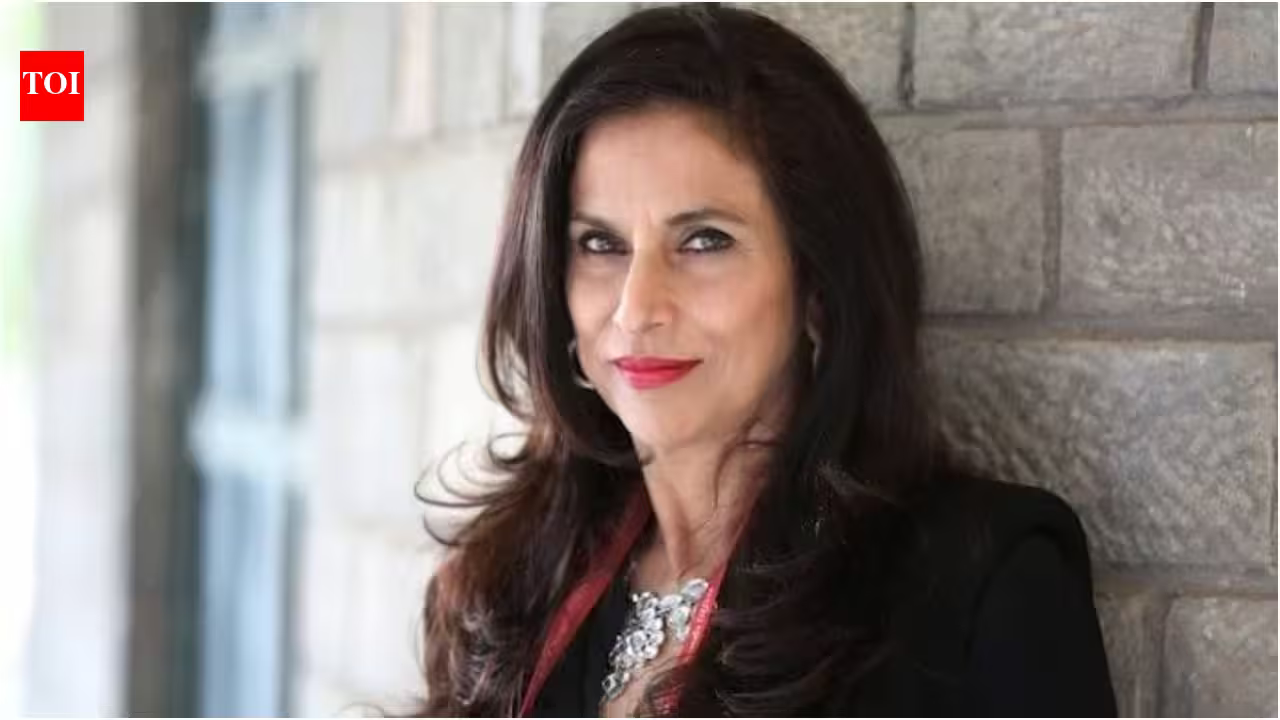
Shobhaa De Shifts Focus from ‘Toxic’ Backlash to the Charm of ‘Musafir Cafe’
Prominent columnist and author Shobhaa De has weighed in on the polarized reception surrounding the latest cinematic offering from Kannada superstar Yash. While the film Toxic: A Fairy Tale for Grown-Ups, directed by Geetu Mohandas, continues to generate significant box office revenue, it has simultaneously been met with a wave of harsh criticism from viewers and critics alike.
In a recent video message, De addressed the “toxicity” surrounding the film’s negative reception, noting that the reviews have been “dreadful.” She remarked on the public discourse, stating, “Most people are saying who could possibly sit through a film like this.”
Seeking a refreshing escape from the intense debate, De revealed that she turned to an entirely different cinematic experience: the Vikrant Massey-starrer Musafir Cafe.
A Refreshing Departure
For De, Musafir Cafe provided the perfect antidote to the chatter surrounding the more controversial Toxic. She described the film as “something much, much sweeter,” offering a cozy and heartfelt narrative that hit all the right emotional notes without being overbearing.
“It’s like having hot soup on a very cold, misty evening in Mussoorie,” she added, highlighting how the film’s atmospheric charm made her yearn for a trip to the hill station to experience its cafe culture firsthand.
Praise for the Cast
De was particularly effusive in her praise for the performances, especially that of Vikrant Massey. “Vikrant Massey, I can’t imagine any woman not falling in love with a man like him,” she noted. “Dependable, charming, he plays Chander Mohan with a certain throwaway nonchalance.”
She also championed the work of co-star Vedika Pinto, suggesting that the actress is on the verge of a major breakthrough. “Vedika Pinto, she is combustible. She should be a big star on the big screen. Tender, loving, lots of layers, great script. Lovely story.”
A Tale of Two Cinematic Responses
The juxtaposition of Toxic and Musafir Cafe highlights the varying demands of today’s audience. While Toxic remains a hot topic due to its high-profile status and the conflicting reports regarding its quality, De’s recommendation underscores the audience’s continued craving for intimate, character-driven storytelling.
Concluding her review, the author encouraged her followers to seek out Musafir Cafe, positioning it as a must-watch for those looking for a heartwarming and beautifully grounded cinematic experience. As the industry continues to analyze the performance of Toxic, the success of smaller, heartfelt projects like Musafir Cafe serves as a poignant reminder of the enduring power of well-told, authentic stories.