




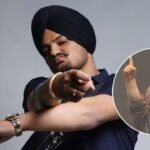

The legacy of Sidhu Moosewala is nothing short of a cultural phenomenon. Two years after his tragic passing, the late Punjabi icon’s influence remains so pervasive that even his hologram is selling out arenas across the globe. However, the emotional weight of his memory has recently collided with a sobering reality check, as a controversy involving his two-and-a-half-year-old brother, Sukhdeep Singh Sidhu—affectionately known as “Chhota Sidhu”—has sparked a national debate over child welfare and the normalization of gun culture.
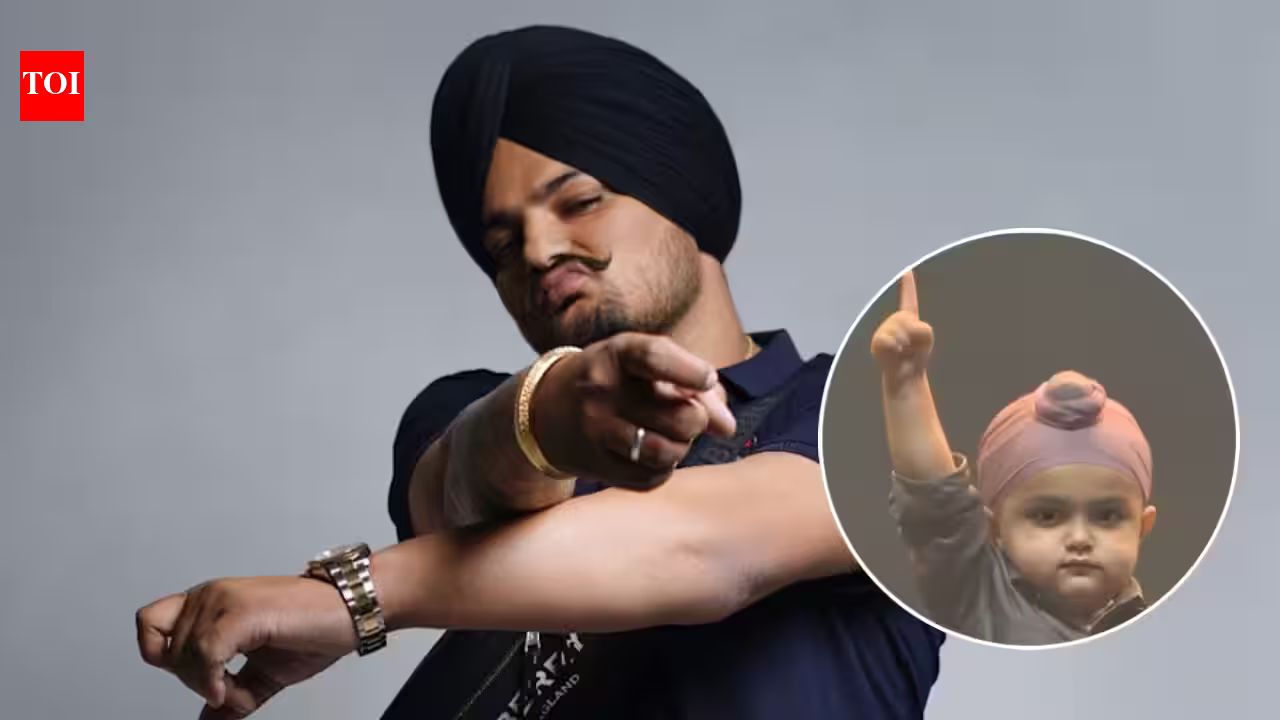
The incident, which took place during the opening show of the ‘Signed to God World Tour’ at Toronto’s Scotiabank Arena on October 9, saw the toddler take the stage alongside his parents, Balkaur Singh and Charan Kaur. In a moment that was meant to be a heart-wrenching tribute to a fallen star, the young boy mimicked a pistol with his hand and audibly imitated the sound of gunfire, while also performing the “thaapi”—the signature thigh-slap that became synonymous with Moosewala’s larger-than-life persona.
## A Public Performance Under Scrutiny
While the arena crowd responded with thunderous applause, the digital aftermath was far more divisive. As footage of the toddler’s performance circulated on social media, it didn’t take long for the clip to reach the desks of child rights advocates. Lawyers for Human Rights International (LFHRI), a prominent advocacy group, wasted no time in flagging the incident as a matter of significant concern.
On October 17, LFHRI filed a formal complaint with the District Magistrate and the District Child Protection Unit in Mansa, Punjab. The core of their grievance isn’t the grieving family’s right to remember their son, but rather the visible influence of adults prompting the child to perform these aggressive gestures. The organization argues that the systemic repetition of violent imagery—even as a performative “tribute”—is inappropriate for a toddler whose psychological development is in its most formative stages.
## The Intersection of Culture and Violence
To understand the gravity of the LFHRI’s complaint, one must acknowledge the specific, often polarizing, context of Sidhu Moosewala’s artistry. His lyrics and public image were deeply intertwined with a gun-toting ethos that dominated the Punjabi music scene. For many fans, the “thaapi” and the simulated gun gestures are symbols of defiance and strength, deeply rooted in the rural pride of the region.
However, advocates are now asking a difficult question: at what point does honoring a legacy cross the line into grooming a child for a violent identity? The LFHRI complaint highlights that the child was seemingly encouraged by adults to mimic firearm usage, raising red flags about the environment in which he is being raised. By asking the Mansa district administration to intervene, the group is essentially demanding that the line be drawn between family grief and public exposure to a volatile image.
## Safeguarding the Child’s Welfare
The LFHRI has been careful to frame this not as a personal vendetta against the bereaved parents, but as a protective measure for a minor. In their filing, the group emphasizes that their focus is solely on the toddler’s welfare. They have urged authorities to investigate the circumstances and ensure that such behavior is not actively fostered in future public appearances.
The group’s intervention suggests a growing anxiety that the child is being used as a symbol to keep the late singer’s “brand” alive. While it is understandable that the parents would want to include their youngest son in the tour, the optics of a two-year-old mimicking homicide in front of thousands of people have left many in the public domain deeply unsettled. The potential psychological toll on a child exposed to such high-octane, violent symbolism is a subject that rarely enters the discourse of celebrity fan-culture, yet it is exactly what this complaint aims to address.
## The ‘Signed to God’ Tour and Future Uncertainties
The ‘Signed to God World Tour’ is a massive, multi-year undertaking, with dates scheduled well into late 2026 across major cities like New York, Houston, and Oakland. Because the tour is still in its infancy, the LFHRI is pushing for “urgent intervention.” They fear that as the tour continues, the pressure to maintain the narrative of the “little Sidhu” will only increase, potentially leading to more incidents where the child is encouraged to perform these controversial acts.
The legal and administrative challenge is significant. How does a district authority in Mansa regulate the conduct of parents or performers thousands of miles away in Canada? While the legal reach of the Punjab administration is limited abroad, the symbolic weight of an official inquiry is undeniable. It forces a pause, compelling the organizers and the family to consider how they manage the child’s public presence in the coming months.
## A Legacy at the Crossroads
As of this writing, there has been no official statement from the Moosewala family or the tour organizers regarding the complaint. It is a precarious situation: for the millions of fans who still mourn the singer, the toddler represents a continuation of the spirit they lost. But for the child, the future is an unwritten page, one that is currently being penned in the shadow of a tragedy he is too young to comprehend.
Ultimately, the controversy serves as a mirror held up to the entertainment industry. It asks whether we, as an audience, have become so desensitized to the imagery of violence that we applaud a toddler miming the very acts that led to his brother’s premature death. The LFHRI’s petition is a call to decouple a child’s innocence from the violent iconography of an adult’s career. Whether or not this complaint results in concrete policy changes, it has successfully forced a conversation about the responsibilities we have to the next generation, even when we are trying to honor the last.
Disclaimer: This content is auto-generated for informational purposes only.
Source: Read Original News