









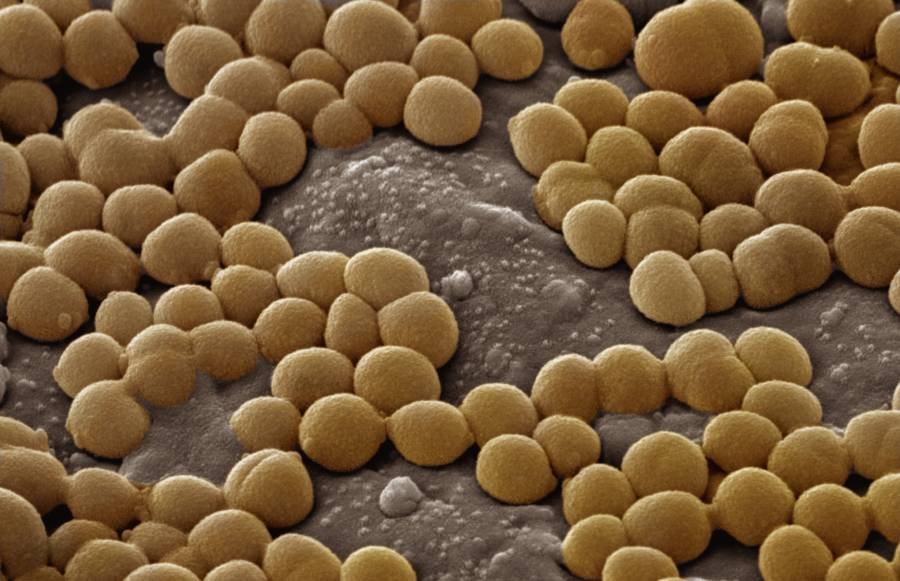
The rise of Methicillin-resistant Staphylococcus aureus (MRSA) represents one of the most pressing challenges in modern medicine. While S. aureus is a common resident of human skin, its resistant variants have fueled a global health crisis, with mortality rates associated with the pathogen doubling since 1990. Among the most feared complications of systemic MRSA infection is the development of life-threatening kidney damage, a condition that has long perplexed clinicians due to the bacteria’s ability to persist in the body despite aggressive antibiotic treatment.
A breakthrough study recently published in Science Translational Medicine has finally illuminated how MRSA manages to evade the immune system and establish stubborn reservoirs within the kidneys. By analyzing the complex interplay between the pathogen and its host, researchers led by Dr. Nobuhiro Kanazawa have uncovered a sophisticated survival strategy that relies on the unique environmental conditions of the renal inner medulla.
Using a combination of mouse models, multi-plexed imaging, and dual-species transcriptomics, the research team identified the renal inner medulla—the site responsible for urine concentration—as a primary sanctuary for the bacteria. In this region, the kidney maintains a hyperosmotic environment, which the study reveals is an ideal niche for MRSA to hide.
The researchers discovered that once the bacteria infiltrate this high-salt environment, they effectively “go dark” to the immune system. The osmotic conditions appear to interfere with the body’s natural defense mechanisms, specifically by delaying the recruitment of neutrophils, the white blood cells responsible for hunting down and neutralizing bacterial invaders. By slowing the migration of these cells, MRSA creates a protective buffer that allows it to survive long enough to establish a permanent foothold.
Beyond merely hiding, MRSA actively adapts to this hostile climate. The study found that the bacteria co-opt tissue polyamines—naturally occurring organic compounds found in the kidney—to fuel their growth. These polyamines serve a dual purpose for the pathogen: they act as a “buttress” for the bacterial membrane, protecting it against the stresses of the hyperosmotic environment, and they boost the translation of enzymes that accelerate bacterial replication. Once the bacteria have successfully established themselves in the medulla, they use this secure base to spread toward the renal cortex, causing significant tissue damage.
These findings provide a mechanistic explanation for why MRSA is so difficult to eradicate from the bloodstream and suggest that current treatment protocols, which focus solely on antibiotics, may be missing a vital component of the battle. By understanding that the kidney’s own physiological environment is being manipulated by the bacteria, the research team began to explore new ways to disrupt this “safe house.”
The study demonstrated that “washout” therapies could be an effective adjunctive strategy. Specifically, the researchers tested the use of furosemide, an FDA-approved loop diuretic, on infected mice. By modulating the medullary osmolality, the drug disrupted the environment that the bacteria depended on to remain hidden. This allowed neutrophils to successfully infiltrate the inner medulla, effectively containing the spread of the infection and significantly improving renal outcomes.
This research marks a departure from traditional drug-focused approaches, pointing instead toward a strategy of environmental disruption. By combining standard antibiotics with therapies that alter the kidney’s internal environment or target bacterial polyamine metabolism, clinicians may soon have a more effective toolset to prevent the catastrophic kidney failure associated with MRSA bacteremia. As the global burden of antimicrobial resistance continues to rise, these mechanistic insights offer a promising pathway to mitigating the most lethal consequences of one of the world’s most dangerous pathogens.
Disclaimer: This content is auto-generated for informational purposes only.
Source: Read Original News