






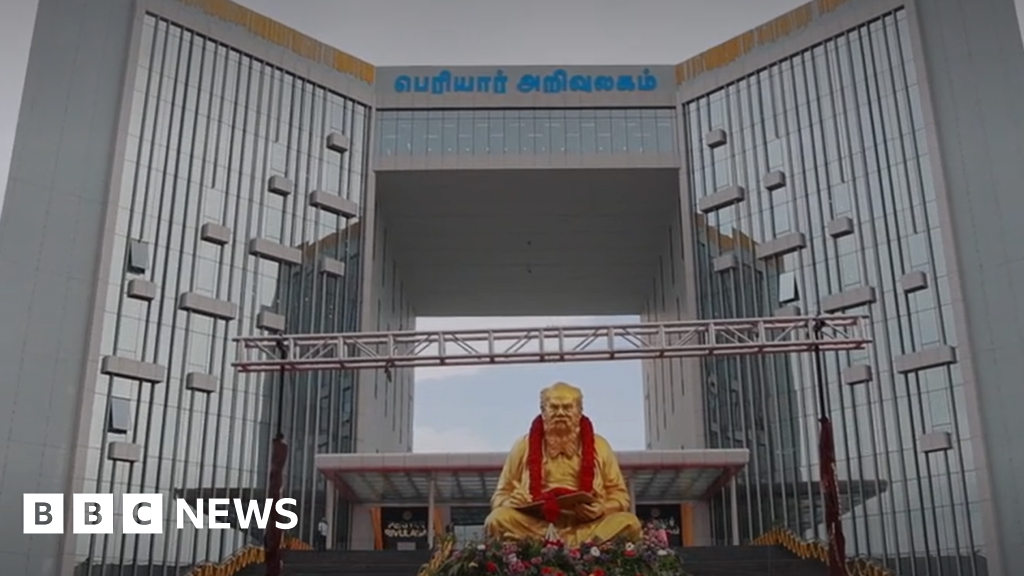
Tamil Nadu Government Orders Statewide Audit of Library Collections
The Tamil Nadu government has officially mandated a comprehensive internal audit of all public and state-run library collections across the region. The directive, issued by the Department of School Education and Public Libraries, seeks to assess the current state of book inventories, evaluate the relevance of existing resources, and streamline the management of literary assets housed within government-funded institutions.
According to official sources, the audit is intended to ensure that the vast network of libraries in Tamil Nadu—which serves as a critical knowledge hub for students, researchers, and the general public—remains equipped with updated and high-quality reading material. The exercise will cover thousands of facilities, ranging from village-level centers to large district-level central libraries.
Modernizing State Resources
State officials have emphasized that the primary objective of this initiative is to optimize the utility of public libraries in the digital age. As reading habits evolve and technology integration becomes more prevalent in educational spaces, the government aims to identify gaps in current collections and remove outdated or damaged materials that occupy valuable shelf space.
“This audit is part of a broader commitment to revitalize our library network,” said a senior official from the Department of Public Libraries. “We need to understand exactly what we have on our shelves to make informed decisions about future procurement. Our goal is to ensure that every visitor has access to contemporary literature, competitive exam study materials, and diverse academic resources that reflect the needs of today’s readers.”
Scope and Implementation
The audit process will involve a meticulous verification of physical book counts against digital records. Librarians across the state have been instructed to categorize their current inventories based on genre, language, publication date, and condition. Furthermore, the audit will examine the logistical challenges faced by smaller, rural libraries, including issues related to storage, infrastructure, and user footfall.
While the order has been framed as a routine administrative measure to improve institutional efficiency, it has sparked interest among local community members and education experts. Many view this as a necessary step to re-invigorate a sector that has occasionally faced criticism regarding the slow pace of new book acquisitions.
Future Outlook
Once the internal audit is completed, the findings are expected to serve as a roadmap for a state-wide upgrade program. The data collected will likely influence the government’s budgetary allocations for the upcoming fiscal year, allowing for targeted purchasing of new titles and the possible digitisation of rare manuscripts or regional archives.
Education activists have welcomed the move, noting that public libraries remain the backbone of equitable education in Tamil Nadu. By taking stock of existing resources, the state hopes to transform these libraries from static repositories into vibrant community centers that foster a culture of lifelong learning.
The government has set a firm timeline for the completion of the audit, with district collectors expected to submit their consolidated reports to the state headquarters by the end of the quarter. This audit marks one of the most significant administrative overhauls of the library system in recent years, signaling a proactive shift in how Tamil Nadu manages its public intellectual capital.
Disclaimer: This content is auto-generated for informational purposes only.
Source: Read Original News