







Silent Guardians: How Uttarakhand’s Women are Saving the Indian Honey Bee
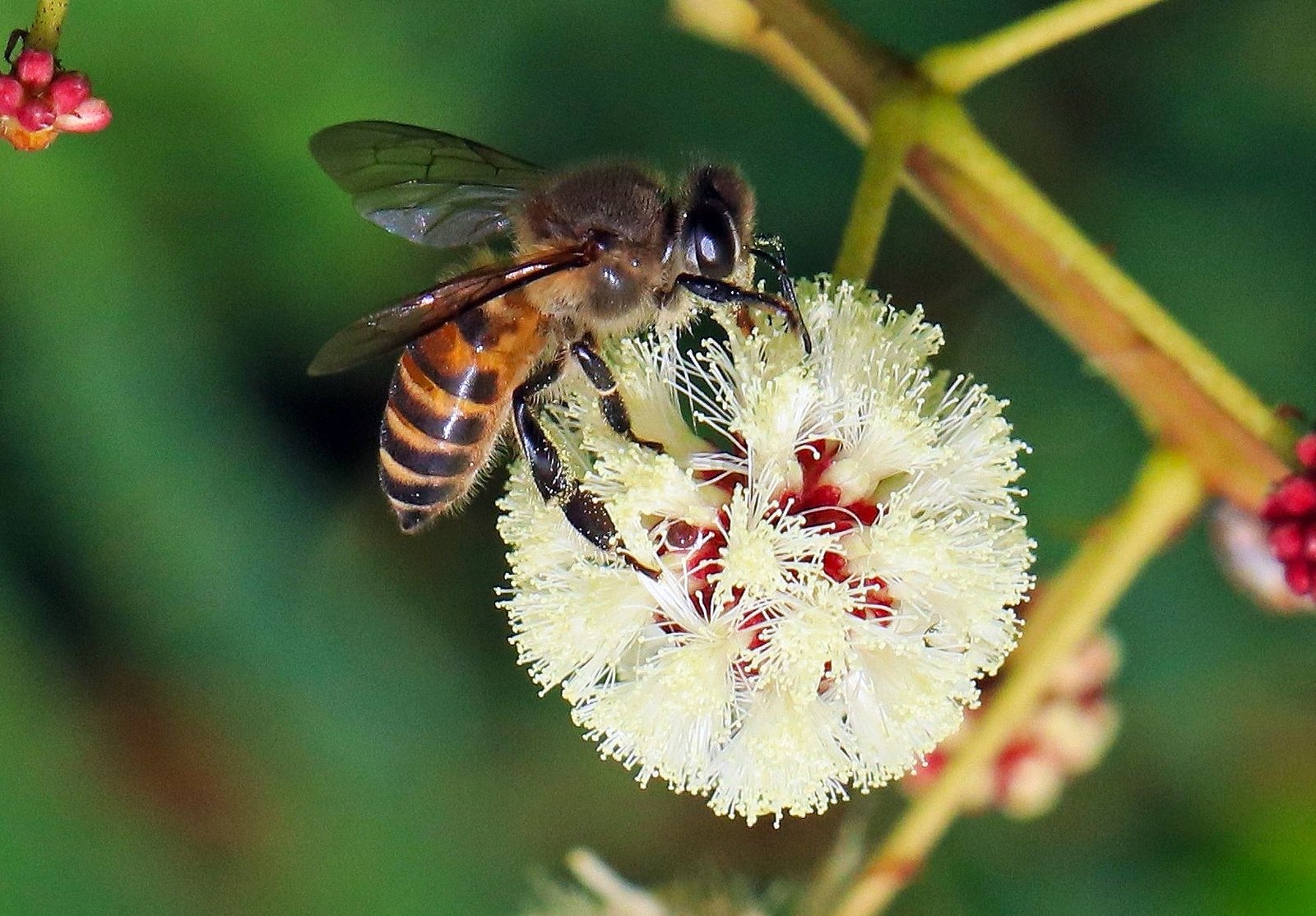
High in the craggy landscapes of the Himalayas, a quiet, centuries-old alliance is fighting to stave off an ecological crisis. As native insect populations struggle against the dual pressures of climate change and habitat loss, the women of Uttarakhand have emerged as the primary custodians of the Indian honey bee (Apis cerana indica). By integrating these vital pollinators into the very architecture of their homes, these women are keeping a fragile ecosystem from collapsing.
A Tradition Embedded in Architecture
For generations, rural households in Uttarakhand have utilized “wall hives”—rectangular cavities built directly into the thick, mud-plastered walls of traditional homes. These structures serve as more than just housing for families; they act as climate-controlled sanctuaries for bees. From the comfort of their homes, women manage these colonies, accessing them through small, clay-sealed doors.
This practice is deeply rooted in local culture. Unlike industrial beekeeping, which prioritizes commercial output, this traditional stewardship is performed as a sacred responsibility. During the harsh winter months, when forage is scarce and outdoor temperatures plummet, it is common to see local women supplementing the bees’ diet with amaranth or hemp seed powder to ensure the colony survives the freeze.
The Shrinking Refuge
The necessity of these wall hives has become increasingly clear as the region undergoes rapid, often detrimental, modernization. Traditional mud dwellings, which provide natural thermal insulation against extreme mountain storms, are being replaced by concrete structures. Research conducted in the Chamoli district paints a stark picture: the prevalence of traditional homes has plummeted from 61% in the 1980s to just over a quarter by 2010.
Because modern cement houses lack the cavities and insulation properties of mud walls, they offer no refuge for native bees. This architectural shift has left the local A. cerana indica population increasingly exposed to the elements. According to Nagma Parveen, an assistant professor at Kumaun University, the species’ survival in the region is almost entirely dependent on the efforts of these women. “The only reason A. cerana indica is still surviving in Uttarakhand is the women,” Parveen notes.
Climate Change and Vanishing Yields
The challenges facing these pollinators extend beyond the loss of human-made housing. Shifting weather patterns, characterized by unseasonably heavy rains and high-velocity winds, have disrupted the bees’ foraging cycles. Elderly residents, such as 80-year-old Saraswati Devi, report a significant decline in honey production, with yields dropping from 3 kilograms per hive to a mere 1 or 2 kilograms in recent years.
Even within their wall hives, the bees face a precarious existence. During prolonged storms, when bees are forced to stay inside, they frequently exhaust their limited food stores, leading to colony abandonment or death. While the interior of a wall hive provides shelter from the wind, it cannot compensate for the degradation of the surrounding environment.
Deforestation and the destruction of wild flora mean that bees have fewer natural resources to sustain themselves. Experts warn that the reliance on human-provided shelters is a symptom of a larger ecological failure. As Nagma Parveen points out, the irony is profound: humans are simultaneously destroying the bees’ natural forest habitats through industrialization and climate neglect, while expecting a few household wall hives to fill the void. Despite these mounting odds, the women of Uttarakhand remain the last line of defense, ensuring that these vital pollinators have a place to call home amidst a rapidly changing landscape.
Disclaimer: This content is auto-generated for informational purposes only.
Source: Read Original News