






Revolutionizing Vector Control with LiDAR-Based Precision
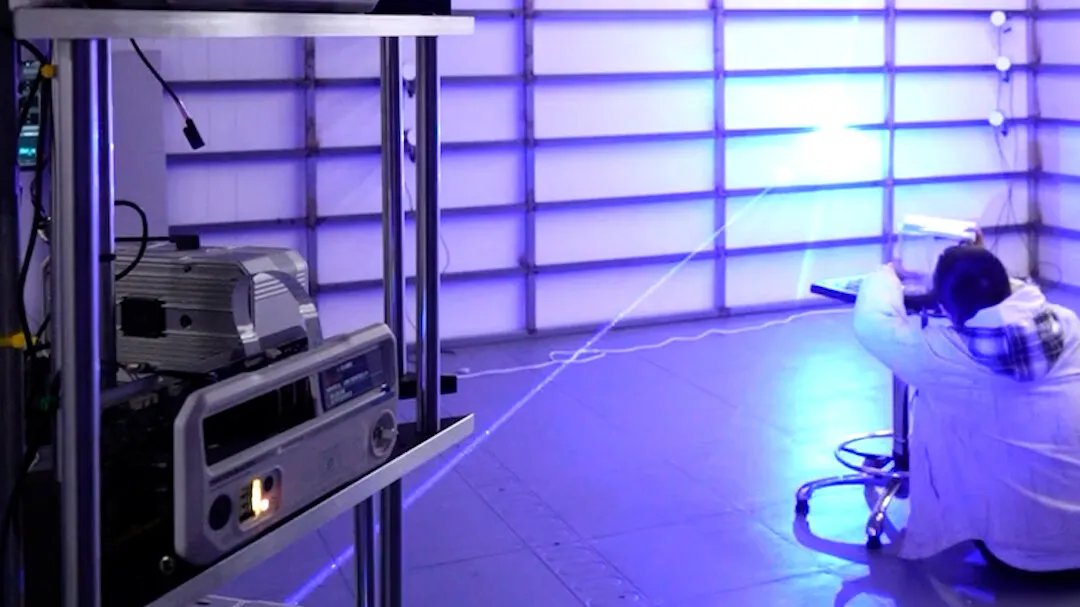
The fight against mosquito-borne diseases such as malaria, dengue, and Zika has historically relied on blanket chemical spraying or physical barriers. A Chinese start-up, Leishen Intelligent System, is shifting this paradigm by leveraging sophisticated sensor technology originally engineered for autonomous vehicles. By repurposing LiDAR (Light Detection and Ranging) systems, the company has developed an automated laser-based elimination system capable of identifying, tracking, and neutralizing individual mosquitoes in real-time without harming non-target organisms.
The core of this technology lies in its ability to process high-frequency point-cloud data. Much like a self-driving car uses LiDAR to map a city street, this system uses low-power laser sensors to scan a specific environment. The device creates a precise three-dimensional map of the surrounding space, distinguishing the unique flight patterns and physical dimensions of a mosquito from those of household pets, human inhabitants, or inanimate objects. This level of granular environmental awareness represents a significant leap forward in precision pest control.
The Mechanics of Automated Aerial Tracking
The hardware suite integrated into the device consists of an industrial-grade LiDAR sensor paired with a high-speed micro-controller and a low-energy carbon dioxide laser. When the sensor detects a flying object, the integrated processing unit performs a rapid analysis of the object’s trajectory and wing-beat frequency. If the algorithm confirms the target is a mosquito, the system calculates the intercept path.
The laser utilized for neutralization is highly focused, firing for a duration measured in milliseconds. Because the beam is strictly collimated, it poses no danger to humans or animals that might walk through the field of operation. Furthermore, the system is programmed with sophisticated spatial constraints. If the laser path intersects with a reflective surface—such as a mirror, a piece of glass, or a digital screen—the system automatically terminates the beam to prevent glare or accidental damage. This safety-first architecture ensures the device can operate in residential or clinical settings without requiring manual oversight.
Improving Public Health Outcomes through Targeted Intervention
The primary impact of this technology is the mitigation of disease transmission in high-risk areas. Traditional insect control often involves nebulized chemicals that permeate ecosystems, potentially affecting beneficial pollinators and contributing to pesticide resistance. By shifting toward physical, automated targeting, the system provides a sustainable alternative that aligns with green technology initiatives.
In public health contexts, such as hospital wards or nursing homes, keeping indoor spaces free of mosquitoes is vital for protecting vulnerable patients. The device can be mounted in ceiling fixtures or placed on desktops, effectively serving as an invisible, autonomous sentinel. Because it functions independently of chemical attractants or light-traps—which often fail to differentiate between mosquitoes and harmless moths or beneficial insects—it ensures a higher level of environmental sterility. The data generated by these units can also provide public health officials with real-time mapping of pest density, allowing for better strategic resource allocation in urban planning.
Navigating Challenges in Computational Efficiency
Despite the promise of this technology, the engineering hurdles are substantial. Tracking a target that moves as erratically as a mosquito requires extreme computational speed. The system must process thousands of data points per second to maintain a “lock” on the target, accounting for wind turbulence and sudden changes in direction. The start-up has addressed this by utilizing specialized edge computing processors that keep latency to a minimum, ensuring the “kill command” is issued while the target is within optimal range.
Another challenge involves scaling the manufacturing of these systems to make them affordable for widespread deployment. Currently, the precision components required for automotive-grade LiDAR remain expensive. However, as the demand for autonomous sensors grows in the transportation sector, economies of scale are beginning to lower the barrier to entry. The adaptation of these sensors for pest control is a prime example of “technology crossover,” where innovations in one field—robotics and transport—are harvested to solve persistent biological problems.
The Future of Smart Infrastructure
The integration of LiDAR-based defense systems signifies the beginning of a broader movement toward “smart” domestic and public infrastructure. As urbanization continues to increase the density of human populations, the ability to manage small-scale environmental risks becomes increasingly important. This laser system is not merely a tool for pest management; it is a prototype for how connected sensors can manage the micro-environments in which we live and work.
In the future, one can envision such sensors integrated directly into the HVAC systems of modern buildings. Such a network would provide constant, automated surveillance of indoor air quality and biological threats. By moving away from reactive measures—such as applying repellent or fogging rooms—and toward proactive, autonomous detection and elimination, we are entering an era where technology provides an invisible, high-fidelity shield against biological threats. As the start-up continues to refine its algorithms, the focus will likely shift toward improving range and multi-target tracking capabilities, potentially allowing a single device to monitor larger outdoor spaces like gardens or park perimeters. Through this fusion of aerospace navigation and entomology, the once-difficult task of eliminating local pest populations is becoming a solved engineering problem.
Disclaimer: This content is auto-generated for informational purposes only.
Source: Read Original News