







The Sioux Falls business landscape is undergoing a significant transformation this autumn, marked by major corporate acquisitions, the repurposing of long-vacant commercial real estate, and a shift in how local services are being delivered to the public. As the region navigates these changes, the integration of new ownership models and physical infrastructure is reshaping the city’s economic footprint.
Corporate Real Estate and Strategic Acquisitions
A major highlight in the local commercial sector is the acquisition of the former Citibank campus by Vern Eide Motorcars. The 69-acre site, which remained on the market for over seven years, is set for a massive overhaul. The company plans to consolidate several of its operations—including its Motoplex, Powerhouse, and Marine divisions—into the existing buildings, signaling a move toward more centralized, multi-use service hubs. This expansion follows a broader trend of local firms scaling up their physical infrastructure to accommodate modern customer expectations.
In other sectors, the media landscape has shifted as Lee Enterprises Inc. acquired the Argus Leader and several other regional publications from USA Today Co. Inc. This move brings 193 brands under the Lee Enterprises umbrella, reflecting a continued consolidation in the regional news industry. Similarly, the local printing and signage market saw consolidation as Panther Premier Print acquired Maximum Promotions, a longtime local specialist in flags and banners, to bolster its comprehensive suite of marketing solutions.
The Evolution of Downtown and Neighborhood Retail
Downtown Sioux Falls is seeing a specialized shift in its financial services sector, with Heritage Bank NA rebranding its downtown office to “Physician Bank.” This strategic move aims to create a dedicated national headquarters focused exclusively on the unique banking needs of medical professionals.
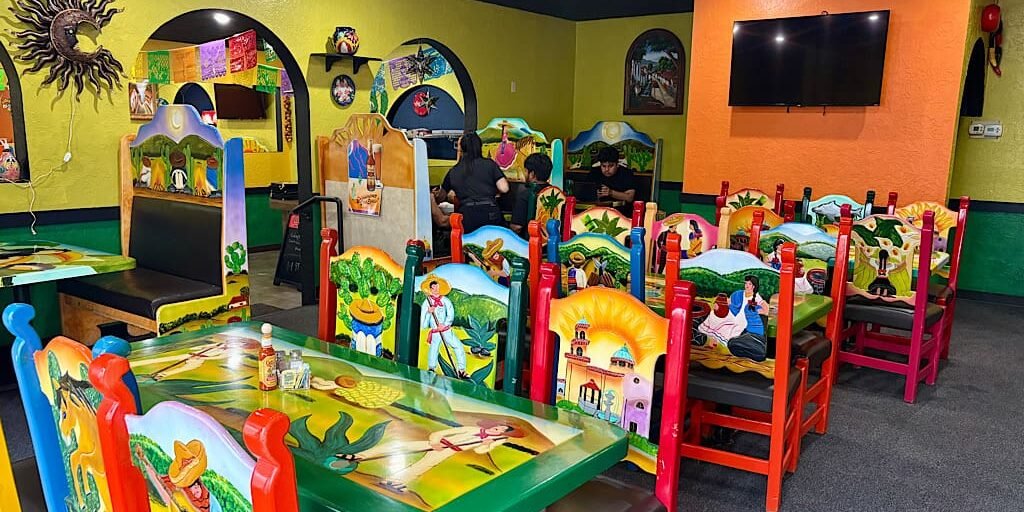
Meanwhile, the restaurant and retail scene continues to be highly fluid. The local culinary landscape has welcomed Modern Meze, a new charcuterie-focused establishment on the east side that emphasizes a blend of dine-in and retail ingredient sales. This “hybrid” business model—offering both an experience and a take-home utility—mirrors a growing national consumer preference for convenience mixed with artisanal quality.
However, the change also brings the end of an era for some local staples. Shipley’s Garment Spa, a cornerstone of the community for 124 years, is set to close its doors this month. Its exit, along with the retirement of the owners of Steinberg’s Furniture, underscores the cycle of generational business ownership coming to a close in the city.
Adapting to Modern Service Models
The transition of Toppers Pizza to corporate ownership and the expansion of Uptown Laundry to a second location indicate that businesses are doubling down on standardized operations to increase efficiency. At the same time, cultural and community hubs are expanding their capabilities. The newly opened Sweetman Atrium at Levitt at the Falls provides an essential all-season venue, including dedicated spaces for community groups, artists, and production support, which will likely serve as a blueprint for future community-focused development in the city.
Tech-driven operational updates are also surfacing across the board, from the way businesses handle their physical footprints—such as Rust & Co. moving to an online-only model—to the consolidation of regional organizations like the Sioux Council and Black Hills Area Council into the new Prairie Peaks Council. As these entities prepare for their upcoming centennial, the mix of legacy commitment and modern logistical efficiency remains the defining theme for Sioux Falls as it moves into the final quarter of 2026. Whether through the repurposing of historic buildings or the adaptation to digital-first storefronts, the local economy is clearly positioning itself for a new era of growth.
Disclaimer: This content is auto-generated for informational purposes only.
Source: Read Original News