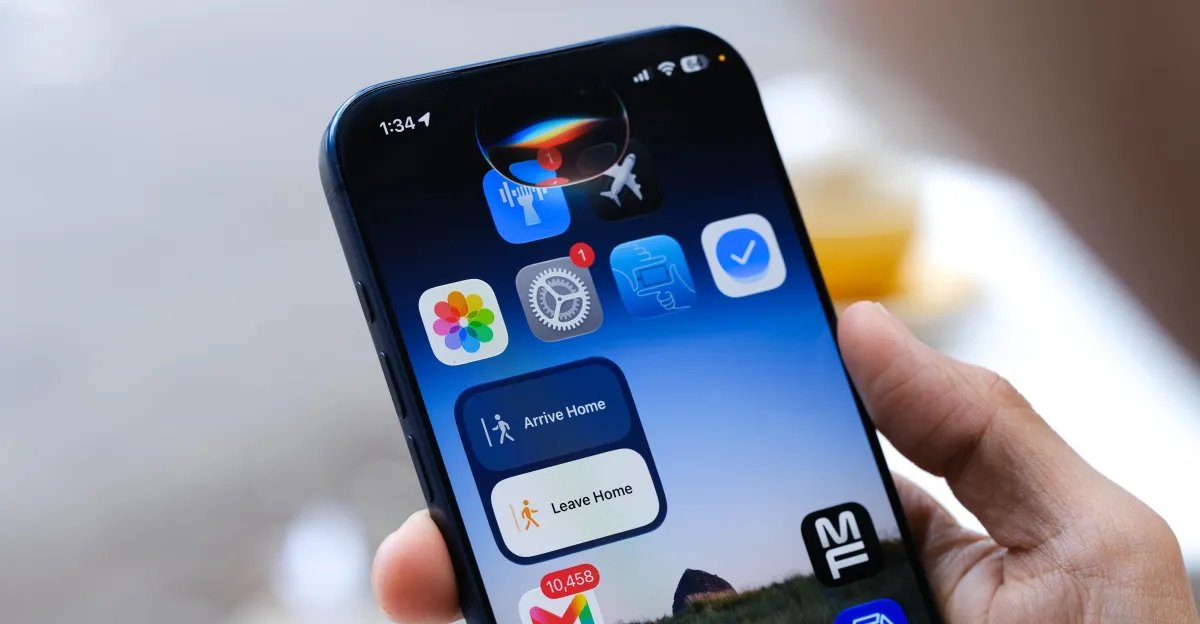










The release of iOS 27.3 beta 1 marks a significant milestone in the evolution of Apple’s artificial intelligence suite. By focusing on rapid internationalization and deeper system integration, the company is positioning Siri AI as a global tool capable of understanding a wider variety of cultural and linguistic nuances. This update builds upon the momentum established in the previous release, ensuring that the advanced capabilities of the digital assistant are no longer confined to English-speaking markets.
Expanding the Global Reach of Siri AI
The primary highlight of the iOS 27.3 update is the inclusion of four additional languages: Traditional Chinese, Norwegian, Turkish, and Vietnamese. This expansion follows closely on the heels of the iOS 27.2 release, which added French, Japanese, Korean, Portuguese, and Spanish to the roster. Within a matter of weeks, Apple has successfully doubled the number of supported languages for its generative AI features.
This strategy is critical for the widespread adoption of AI-driven interfaces. By supporting these specific languages, Apple acknowledges the importance of localized user experiences. Siri AI is not merely translating requests; it is utilizing large language models that are fine-tuned to recognize the specific grammar, syntax, and vernacular patterns of these languages, providing more accurate and relevant results for international users.
Enhanced In-App Functionality
Beyond linguistic growth, iOS 27.3 introduces advanced in-app actions that allow Siri to perform more complex tasks across the operating system. Previous iterations of the assistant were often limited to basic commands such as setting timers or launching applications. With this update, the system can now perform granular actions within third-party and native apps.
For example, a user might request that the assistant summarize specific documents within a note-taking application or filter emails based on complex criteria without needing to manually open the app. These deeper hooks into the software architecture enable a more seamless workflow. The assistant is becoming a central orchestration layer, capable of executing multi-step instructions that were previously restricted to manual touch interaction.
Siri Recap and Contextual Awareness
A key feature debuting in this cycle is Siri Recap. This functionality represents a shift toward proactive assistance. Instead of treating every query as an isolated event, the system now maintains a buffer of recent notifications, messages, and document changes. When a user invokes the Recap feature, the assistant generates a concise summary of the day’s most relevant information.
This use-case is particularly beneficial for professionals or high-volume users who receive dozens of notifications throughout the workday. Rather than scrolling through a cluttered lock screen, a user can simply ask the assistant for a summary. The system synthesizes the data locally on the device, ensuring that the sensitive information contained within these recaps remains private and is not transmitted to external servers for processing.
Empowering Developers with New API Tools
Apple has also prioritized the developer ecosystem by providing an expanded set of tools for App Intents. Developers now have access to a more robust framework that allows them to register their app’s specific capabilities directly within the Siri AI index. This means that if an application provides unique features, such as image manipulation or real-time data tracking, those features can be surfaced by the assistant.
This update removes the barrier to entry for smaller developers who want to take advantage of AI-driven voice commands. By streamlining the integration process, Apple ensures that as the assistant gains new skills, the available pool of compatible third-party apps grows proportionally. This creates a feedback loop where the assistant becomes more useful, which in turn encourages more developers to optimize their applications for the platform.
The Future of On-Device Intelligence
The trajectory of iOS 27.3 suggests that Apple is committed to a model of on-device processing combined with cloud-based intelligence. By maintaining a high performance standard across multiple languages and deep app integration, the company is addressing the criticism that digital assistants have become stagnant.
As these tools move from the beta environment to a full public release next month, the impact on daily user productivity will likely be substantial. The focus on efficiency, privacy, and linguistic diversity provides a foundation for a more capable interface. Future iterations will likely focus on even deeper personalization, where the assistant learns the unique working habits of the individual user to anticipate needs before they are explicitly voiced. For now, the latest beta serves as a reminder that the shift toward AI-integrated operating systems is accelerating rapidly.
Disclaimer: This content is auto-generated for informational purposes only.
Source: Read Original News