




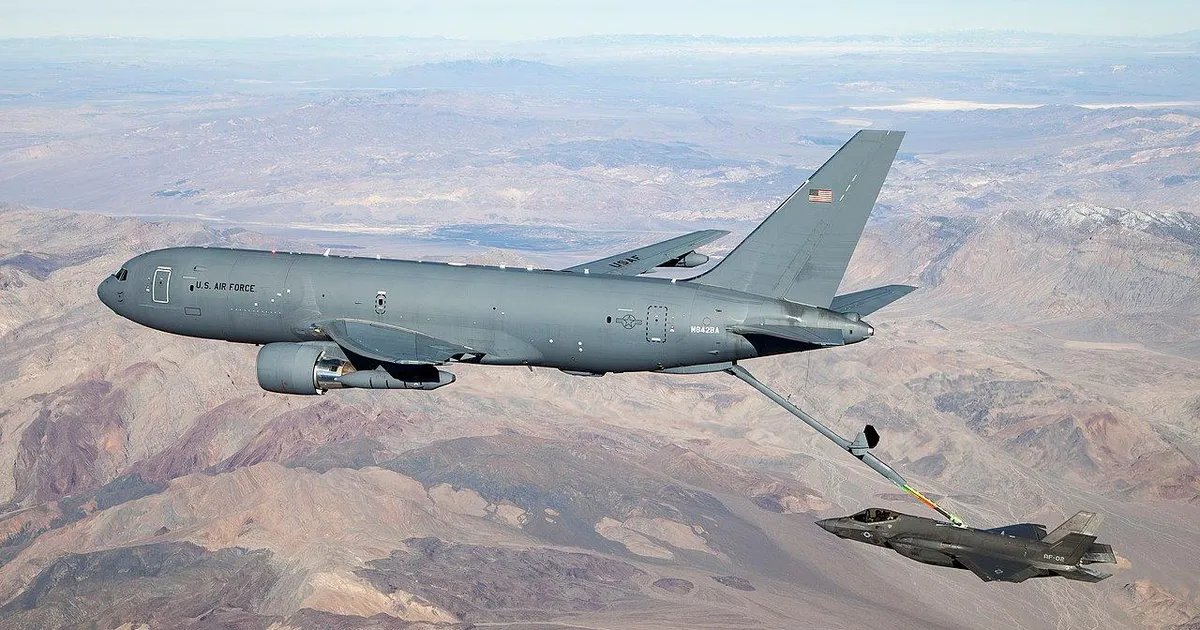
India Poised for Strategic Air Power Boost with Landmark Aerial Refueling Deal
In a significant move to bolster the Indian Air Force’s (IAF) long-range operational capabilities, India is moving forward with a high-stakes procurement project involving the acquisition of six advanced aerial refueling tankers. This initiative, designed to extend the reach and endurance of India’s fighter fleet, marks a pivotal shift in the country’s defense strategy as it seeks to project power across vast maritime and land borders.
The project is notably grounded in the government’s ‘Make in India’ mandate. Under the terms of the agreement, 30 percent of the technical work required to transform standard commercial airframes into specialized mid-air refueling tankers will be executed by domestic aerospace companies. This collaborative framework is expected to provide a substantial boost to the local defense industrial base, fostering technology transfer and enhancing India’s indigenous maintenance, repair, and overhaul (MRO) capabilities.
Extending the Reach of the Indian Air Force
For years, the Indian Air Force has grappled with a deficit in its mid-air refueling capacity. Currently, the service relies on a limited number of Russian-origin Ilyushin Il-78 tankers. The introduction of six new tankers is set to alleviate this bottleneck, allowing critical assets like the Sukhoi Su-30MKI and the Rafale jets to remain airborne for significantly longer durations.
By enabling combat aircraft to refuel mid-flight, the IAF can perform deep-strike missions, conduct extended surveillance, and ensure rapid response times in the Indo-Pacific region. Strategic analysts suggest that this acquisition is essential for India’s status as a regional net security provider, ensuring that the Air Force can operate effectively far beyond its national boundaries.
The ‘Make in India’ Edge
The decision to mandate a 30 percent local work share for the aircraft conversion process is a strategic play to reduce long-term reliance on foreign Original Equipment Manufacturers (OEMs). By involving Indian firms in the conversion of commercial aircraft—which involves integrating complex fuel transfer systems, specialized avionics, and structural reinforcements—the nation is building a workforce skilled in high-end aviation modification.
Industry experts anticipate that this partnership will create a ripple effect, encouraging private-sector investment in defense-grade aviation infrastructure. “This is not just about buying a plane; it is about creating an ecosystem,” noted a defense analyst based in New Delhi. “By ensuring that nearly a third of the engineering work happens on Indian soil, the government is ensuring that future upgrades, overhauls, and general maintenance will be handled by our own engineers, thereby securing our strategic autonomy.”
Strengthening Defense Diplomacy
The deal reflects India’s growing ability to leverage its massive defense requirements into opportunities for industrial growth. As the nation pivots toward diversifying its military hardware suppliers, the inclusion of stringent local participation clauses ensures that the economic benefits of defense spending remain within the country.
While the procurement process involves complex negotiations regarding technology transfer and integration, the finalization of this deal would represent a major milestone for the Ministry of Defence. As India continues to navigate a volatile geopolitical landscape, the addition of these six aerial tankers will serve as a vital force multiplier, ensuring that the Indian Air Force remains a modern, agile, and highly capable instrument of national security.
Disclaimer: This content is auto-generated for informational purposes only.
Source: Read Original News