









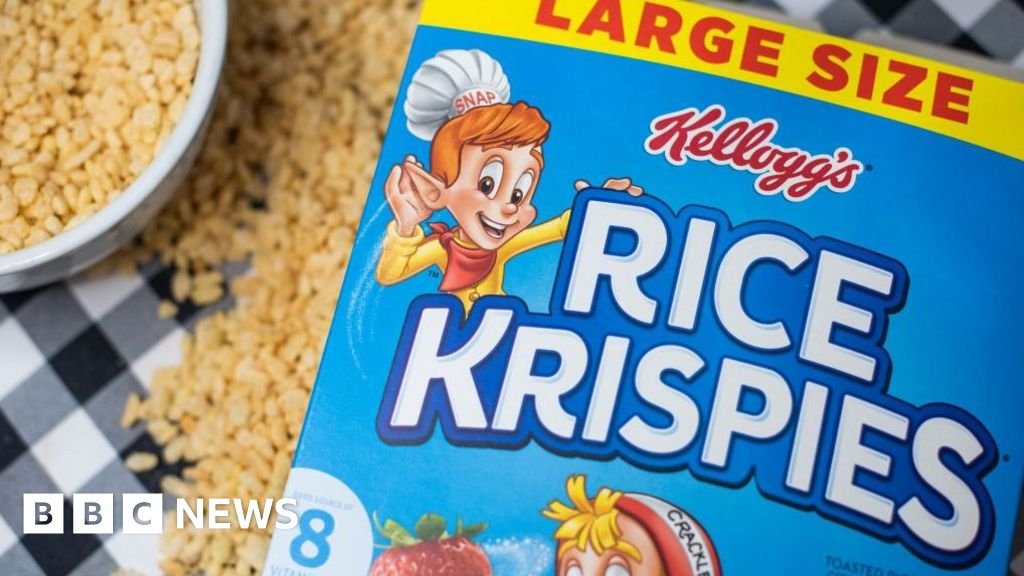
A quiet revolution is happening in the aisles of your local supermarket, but it isn’t just about the ingredients inside the box—it’s about the digital ecosystem that governs how we shop. As manufacturers reformulate classic breakfast cereals to meet modern nutritional standards, resulting in the addition of “contains wheat gluten” warnings on packaging, the tech industry is simultaneously reshaping how this data is served to consumers.
## The Intersection of Smart Labeling and Consumer Data
The shift toward more transparent labeling for common allergens is part of a broader trend where physical products are becoming increasingly integrated with digital information hubs. For companies like Google, this presents a unique challenge and opportunity. Through its “Google Shopping” and “Google Lens” platforms, the tech giant has been working to bridge the gap between a physical box on a shelf and a data-rich consumer experience.
When a manufacturer updates a recipe, the metadata associated with that product must be updated across global databases. As cereals now carry new gluten warnings, AI-driven scrapers and proprietary algorithms—often managed through the Google Merchant Center—work to ensure that users searching for “gluten-free options” are not accidentally presented with the newly reformulated products. This backend maintenance is a massive undertaking, relying on machine learning to parse product images and text, ensuring that when you scan a box with your smartphone, the digital overlay is accurate, safe, and up-to-date.
## AI-Powered Nutrition Tracking and Search
Modern consumers are increasingly using AI assistants to manage dietary restrictions. Whether it is through voice queries like “Is this cereal safe for a gluten-free diet?” on Google Nest devices or visual recognition via Google Lens, the reliance on real-time data accuracy has never been higher.
The recent update to cereal formulations highlights the importance of “Freshness” in Google’s search ranking algorithms. When a product changes its formulation, its status within the Knowledge Graph must shift rapidly. If an AI fails to register that a product no longer meets a specific dietary criteria, the consequences for consumers with celiac disease or gluten sensitivity could be severe. Consequently, Google has been investing heavily in “Structured Data” verification, encouraging retailers and manufacturers to provide schema-rich inputs that allow AI models to ingest nutritional warnings instantly.
## The Future of “Smart Pantries”
Looking ahead, this transition marks a step toward the “Smart Pantry” concept. By leveraging the same AI models that drive Google’s Gemini, tech companies are envisioning a future where your smart kitchen inventory is automatically synced with your personal health profile.
If a household member has a gluten allergy, a smart fridge equipped with image recognition or barcode scanning would immediately cross-reference the new “wheat gluten” warning against the user’s dietary preferences. If a box is scanned that contains the newly added allergen, the system could trigger a notification on a user’s Android device. This level of automation relies on a seamless feedback loop between the manufacturer’s product packaging and the tech giant’s index of global consumer goods.
As breakfast cereals evolve to keep pace with changing health regulations, the digital infrastructure supporting our grocery choices must be equally agile. The humble cereal box, once a static cardboard container, is effectively becoming a dynamic data point. Whether it’s through an improved Google Search result or a proactive alert from a smart device, the tech industry is ensuring that as our food changes, the information available to us changes just as fast, keeping consumers informed and protected in an increasingly complex nutritional landscape.
Disclaimer: This content is auto-generated for informational purposes only.
Source: Read Original News