









The Escalating Threat Landscape in Indian Banking
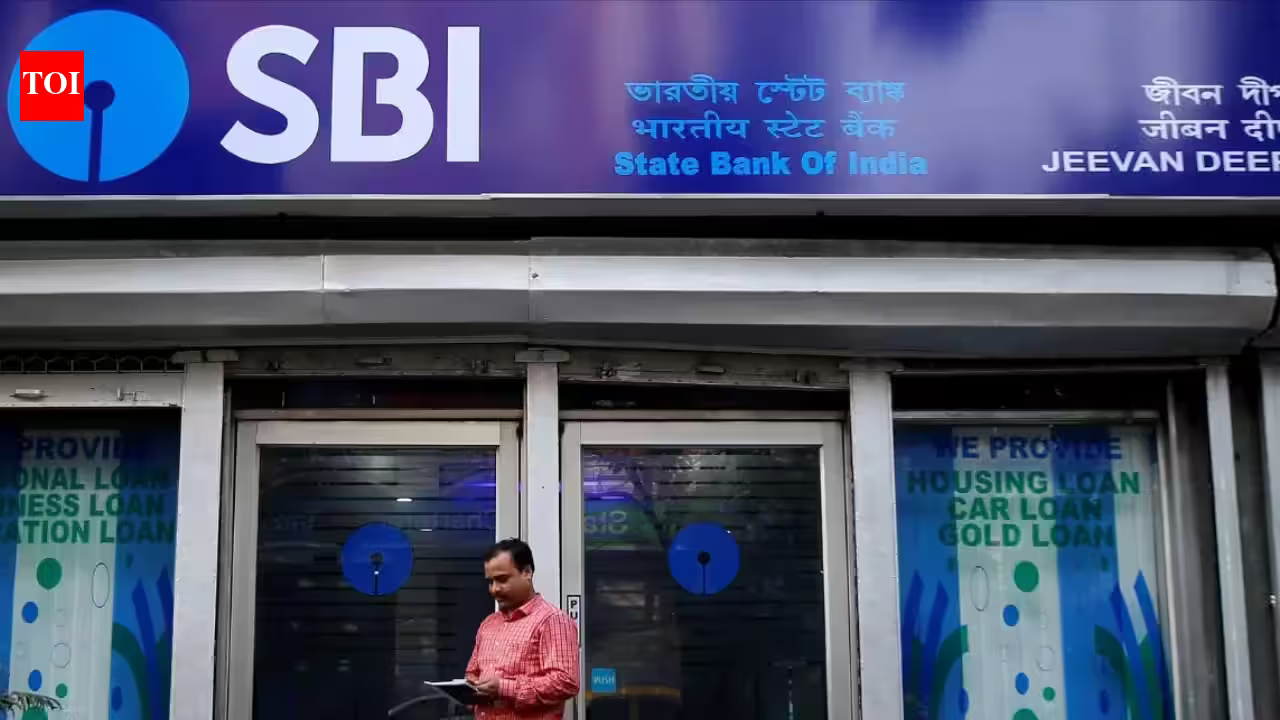
The rapid digitization of the Indian financial sector, spurred by the expansion of Unified Payments Interface (UPI) and the widespread adoption of mobile banking, has significantly broadened the attack surface for cyber adversaries. As traditional banking infrastructure migrates to the cloud and integrated API-based ecosystems become the norm, the complexity of securing these networks has reached an unprecedented scale. State Bank of India (SBI) Chairman CS Setty recently highlighted that while digital adoption is essential for economic growth, it must be matched by a robust, proactive security apparatus to maintain public trust.
The current challenge lies in the sophistication of modern threats, which include advanced persistent threats, ransomware, and AI-driven phishing attacks. In the Indian context, where the transition to digital-first banking has happened at a breakneck speed, the vulnerability lies not just in the technology itself, but in the interconnectivity of the financial ecosystem. When one institution faces a breach, the potential for systemic contagion is high. Addressing this requires a move away from siloed security practices toward a collective, intelligence-led defense mechanism that treats cybersecurity as a shared responsibility rather than an individual organizational burden.
Institutionalizing Collaborative Defense Mechanisms
The proposal by the Indian Banks’ Association (IBA) to develop a structured, real-time information-sharing mechanism marks a paradigm shift in how Indian lenders approach threat mitigation. Traditionally, banks have operated under strict confidentiality protocols, often reporting incidents exclusively to the Reserve Bank of India (RBI) or national cybersecurity agencies. While this is a necessary regulatory requirement, it often leaves other institutions in the dark until it is too late.
A structured information-sharing framework would allow banks to exchange data regarding emerging attack vectors, malicious IP addresses, and unique malware signatures almost instantaneously. If a specific vulnerability is exploited in a private sector lender, an automated alert system could provide immediate guidance to public sector banks to patch their systems or increase monitoring. This approach effectively converts the industry’s collective experience into a real-time defense intelligence asset. By institutionalizing this sharing process, the banking sector can reduce the reaction time between the detection of an anomaly and the implementation of a sector-wide protective measure. This creates a herd immunity effect where the cost for an attacker to successfully breach multiple targets becomes exponentially higher.
Harnessing the Regulatory Sandbox for Artificial Intelligence
As financial institutions aggressively integrate artificial intelligence (AI) into their operations—ranging from credit scoring and fraud detection to personalized customer interactions—the potential for AI-induced security lapses has grown. Machine learning models can be vulnerable to data poisoning, model inversion, and adversarial attacks that are not present in traditional software. To mitigate these risks, the IBA is working on creating an industry-level sandbox to test frontier AI models in a controlled, regulated environment.
A sandbox environment is essential for the responsible deployment of AI in banking. It provides a secure space where financial institutions can test how their algorithms react to stress scenarios without exposing live customer data or critical transaction systems to potential compromise. This initiative is particularly relevant given the RBI’s emphasis on prudent technology deployment. By testing these models under the guidance of industry experts and regulators, banks can identify ethical biases, security flaws, and performance gaps before they are integrated into the core banking stack. This proactive testing approach ensures that the innovation race does not come at the expense of structural security.
Bridging the Gap Between Digital Adoption and Security
The narrative surrounding digital transformation often focuses on speed and efficiency, but the reality is that the security layer must be baked into the development lifecycle of every financial product. CS Setty’s comments reflect a growing realization that security and digital adoption are not mutually exclusive; they are two sides of the same coin. For the Indian banking sector, which serves a vast and diverse population, maintaining the integrity of digital systems is a prerequisite for financial inclusion.
To bridge this gap, banks must move toward a zero-trust architecture. This security philosophy assumes that threats exist both outside and inside the network, requiring continuous verification of every user and device attempting to access resources. Furthermore, as banks integrate more third-party services—such as fintech applications and insurance aggregators—the management of third-party risks becomes critical. The industry-wide response initiative led by the IBA will likely serve as the backbone for establishing standardized security protocols that all participants in the Indian financial ecosystem must adhere to, ensuring that smaller players with lower security budgets do not become the “weakest link” in the national financial chain.
Strategic Priorities for the Future of Financial Resilience
Looking ahead, the resilience of the Indian banking sector will depend on three strategic pillars: proactive threat hunting, talent development, and regulatory agility. While the industry-level sandbox and information-sharing frameworks are vital infrastructure projects, the human element remains a significant factor. There is an urgent need to cultivate a workforce that is not only skilled in traditional banking but also proficient in advanced cybersecurity and data science.
Moreover, the regulatory environment in India is evolving to stay abreast of global best practices. The collaborative effort between the IBA, public sector giants, and private lenders demonstrates a high level of institutional maturity. Moving forward, the focus will likely shift toward the standardization of cybersecurity frameworks, such as the adoption of automated incident response systems and the integration of quantum-resistant encryption as a future-proofing measure.
The goal is to move from a defensive posture to a resilient one—where the system is designed to withstand, recover from, and adapt to cyber disruptions without service interruption. By focusing on these collective efforts, the Indian banking industry is positioning itself to lead globally in building a secure, digital-first economy that can support the ambitions of a growing nation while keeping the assets and trust of its citizens firmly protected against the backdrop of an increasingly volatile digital world.
Disclaimer: This content is auto-generated for informational purposes only.
Source: Read Original News