







The concept of what constitutes "India" resonates deeply and uniquely with individuals, particularly within the artistic community. While for some, it might be the spirited fervor of "Mera Rang De Basanti Chola" from The Legend of Bhagat Singh (2002), for others, it’s a melody that rekindles cherished childhood memories or the simple joy of an everyday snack. Yet another perspective views it as a song that beautifully encapsulates the nation’s profound diversity. This varied understanding of India is vividly expressed by actors, filmmakers, and musicians as they share the songs that most evoke a sense of national identity for them.
Among the selections, the 1965 Kishore Kumar classic, "Pyaar Baantte Chalo," from the comedy film Hum Sab Ustad Hain, stands out. With music by Laxmikant-Pyarelal, this track delivers a simple yet profound message about spreading love across religious and social divides, offering a poignant reflection on India’s pluralism. Composer Lalit Pandit highlights its continued relevance, especially given contemporary societal discussions. The lyrics, "Pyaar baantte chalo, kya Hindu, kya Musalman. Hum sab hain bhai bhai…," advocate for universal brotherhood, while a charming description of India’s landmarks, "Ye Ajanta hai, Wo Taj dekho, har jagah pyaar ki hai nishaani," underscores the pervasive spirit of love throughout the nation’s heritage.
Another powerful anthem, "Jab Zero Diya Mere Bharat Ne," from the 1970 film Purab Aur Paschim, celebrates India’s significant contributions to global civilization. Crooned by Mahendra Kapoor with lyrics by Indeevar and music by Kalyanji-Anandji, this song asserts a deep sense of pride in India’s cultural legacy. Director Anil Sharma, who holds a strong affinity for classics like "Mera Rang De Basanti Chola" and "Desh Ki Dharti," particularly appreciates this "zero song" for its ability to evoke national pride. He reflects on how India, once highly progressive, suffered under colonial rule and subsequently faced Western criticism post-Independence. For Sharma, this song served as a perfect, defiant response to such disparagement.
Moving to a more contemporary period, A.R. Rahman’s 1997 album Vande Mataram featured "Gurus of Peace," a collaboration between the "Mozart of Madras" and the legendary Nusrat Fateh Ali Khan. As its name implies, this track is a peaceful plea for unity, emphasizing themes of harmony and reconciliation. Actor Gulshan Devaiah considers this his pick, noting that it’s not conventionally patriotic but speaks to the core Indian ethos of unity in diversity. Influenced by his singer parents, Devaiah deeply admires the composition for its beauty, even if Rahman didn’t explicitly intend it as a patriotic anthem.
The iconic patriotic song "Hind Desh Ke Niwasi," from the 1974 animated short Ek Anek Aur Ekta, is another significant choice. Written by Hindustani classical vocalist Pandit Vinay Chandra Maudgalya and composed by Vasant Desai, it artfully uses metaphors of India’s rivers and flowers to illustrate the country’s multifaceted nature. Actor-singer Aparshakti Khurana cherishes this song, recalling learning it in fifth or sixth grade and rehearsing it for an Independence Day performance. It evokes a strong sense of nostalgia and national pride for him.
Perhaps one of the most unconventional selections is "Chana Jor Garam Babu Main Laya" from the 1981 film Kranti. While ostensibly a playful tune about a street snack, director Kunal Kohli interprets it as a powerful allegory for patriotism. The chana, or chickpea, in this context becomes a metaphor for resistance and sacrifice. Kohli marvels at Manoj Kumar’s artistic genius in using such an everyday item to convey a profound sense of desh bhakti (devotion to the nation) without relying on overt patriotic terms like "watan" or "Bharat." He believes it’s an incredibly artistic way to craft such songs, even though his own patriotic song, "Desh Mera Rangila" from Fanaa (2006), did use the word "desh" for a festive rendition of patriotism.
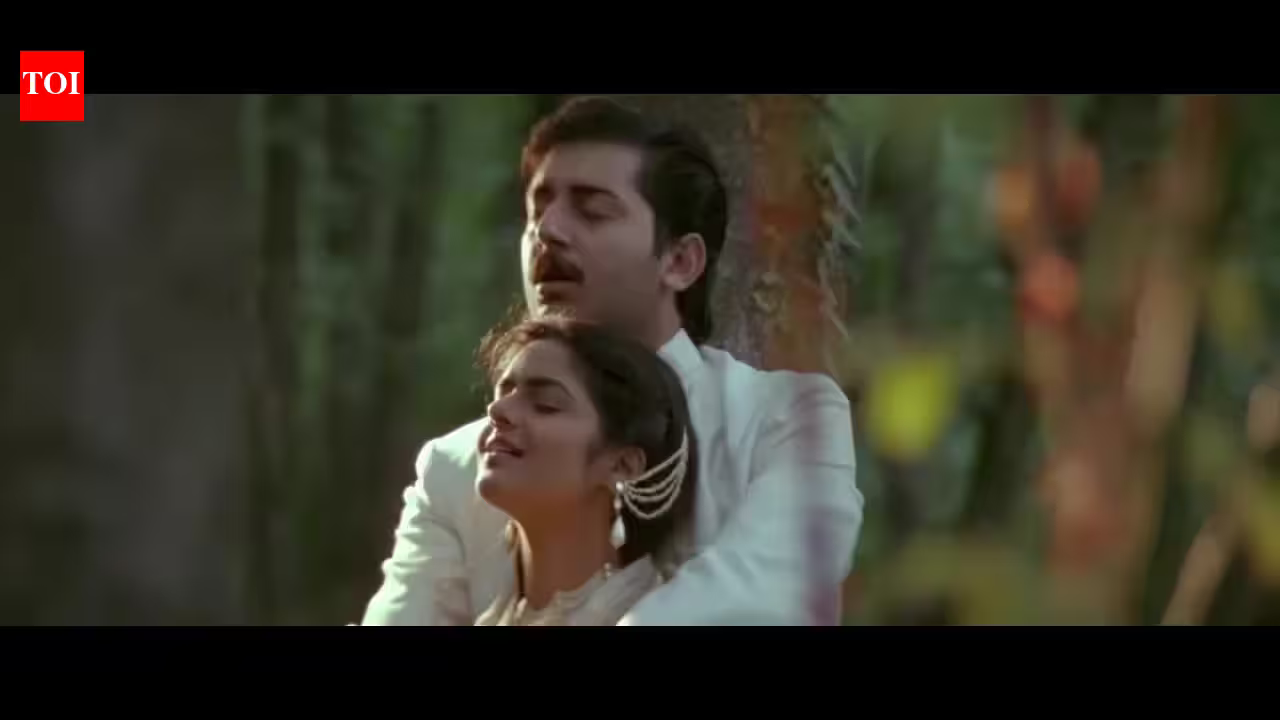
Finally, "Bharat Humko Jaan Se Pyara Hai" from the 1992 film Roja directly addresses the need to preserve India’s cultural identity, spanning its diverse temples, mosques, states, and languages. This straightforward call for unity resonates deeply with singer Shaan. He believes the song powerfully conveys the importance of maintaining national pride and not allowing any internal or external forces to dilute that feeling. For Shaan, its lyrics are a profound reminder that should be listened to regularly to foster an inherent sense of Indian-ness. Each of these musical pieces, while distinct in their origin and message, collectively forms a vibrant tapestry reflecting the complex and multifaceted identity of Hindi music’s contribution to national sentiment.