







Sony Argues “Reasonable Consumers” Understand They Do Not Own Digital Games
Sony Interactive Entertainment has formally pushed back against a class-action lawsuit, asserting that “reasonable consumers” are fully aware that purchasing a digital title from the PlayStation Store confers a license to play, rather than true ownership of the product.
The legal battle, which began in June, was initiated by four players who allege that Sony violates California consumer protection laws by failing to explicitly disclose that digital purchases are revocable licenses. The plaintiffs argue that the store’s use of language like “Buy Now” and “Confirm Purchase” is deceptive, creating the reasonable expectation that they are acquiring a permanent copy of a game that they own outright.
In its recent response to the court, as reported by Game File, Sony pushed back against these claims by citing its own Software Product License Agreement (SPLA). The company argues that the legal documentation clearly states software is “licensed, not sold,” and posits that the nature of digital distribution makes the concept of personal ownership logically impossible.
“In the digital age, it is not plausible to allege that reasonable consumers believed they were obtaining ‘ownership’ of a digital game,” Sony stated in its filing.
To bolster its argument, Sony pointed to the practical realities of digital distribution. The company noted that because digital files are not finite resources, multiple users can purchase the exact same title simultaneously. If a user truly owned a copy of a game, they argued, it would be impossible for others to purchase it, as the “ownership” would belong exclusively to the initial buyer.
The filing uses a specific example to illustrate this point: “Were that the case, then Plaintiff Edward Heycock would not have been able to obtain the game Resident Evil Requiem on February 25, 2026, for $69.99 from the PlayStation Store after Plaintiff Jason Mendoza had obtained Resident Evil Requiem on February 14, 2026, because Mr. Mendoza, not Sony, would have owned it then.”
The timing of this litigation coincides with growing unease among the PlayStation community regarding the industry’s shift toward an exclusively digital model. Last week, Sony reminded its account holders via email that their purchases constitute a “personal license to use digital products for private use” rather than a transfer of property rights.
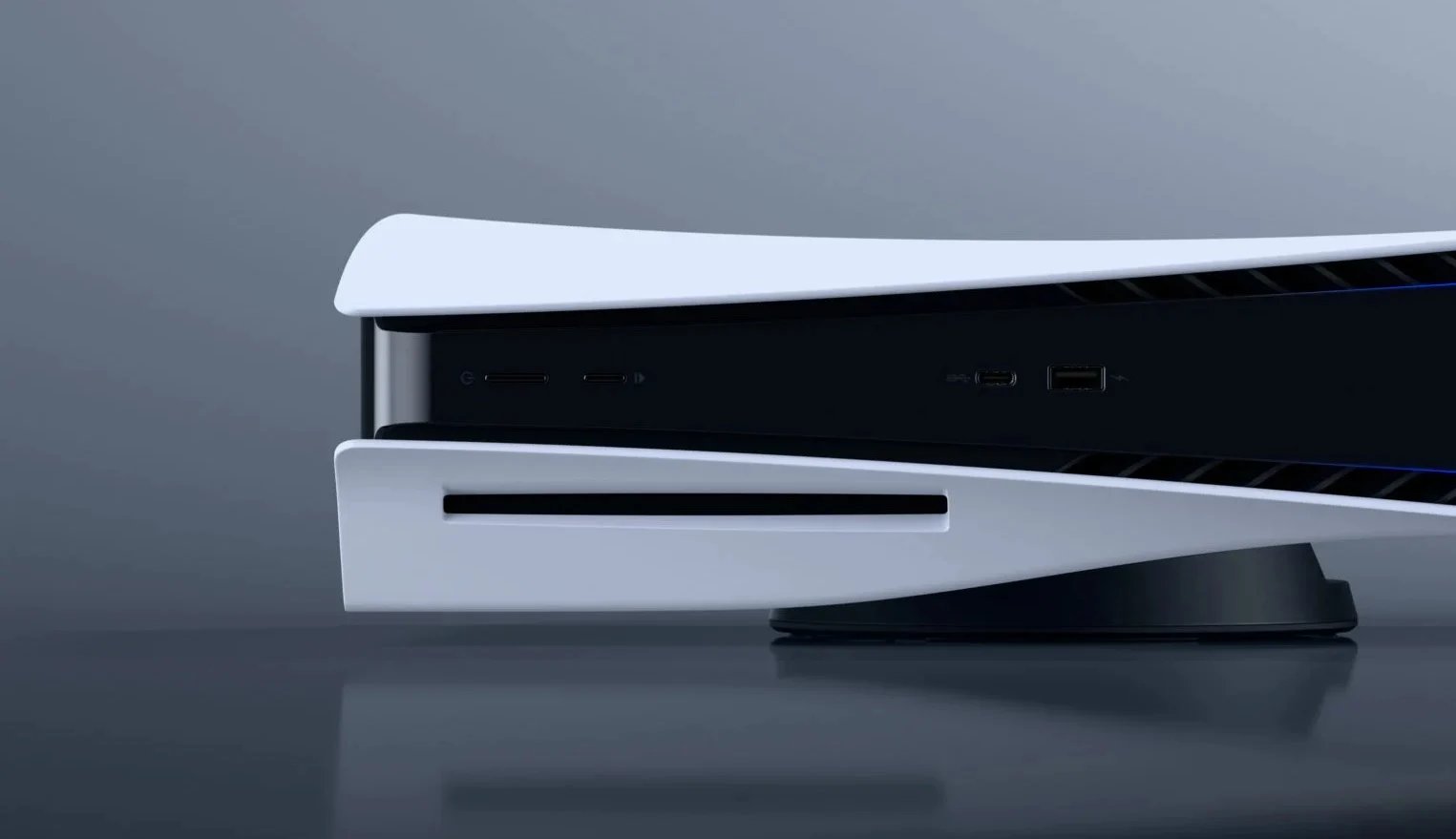
This friction is intensified by Sony’s long-term roadmap, which includes a controversial plan to cease the production of physical game discs starting in January 2028. As the gaming industry moves further away from tangible media, the legal debate over digital game ownership is expected to remain a significant point of contention for both consumers and publishers.