







The End of an Era for Physical Media
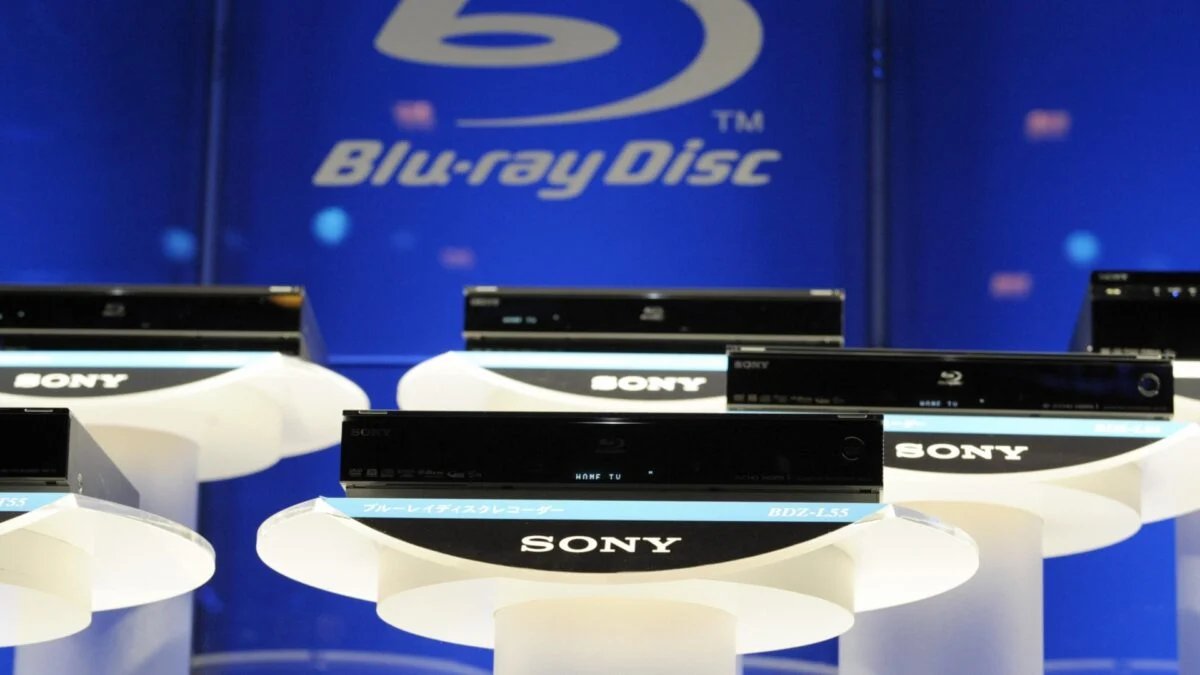
Sony has officially signaled the conclusion of its involvement in the budget 4K Blu-ray player market. The discontinuation of the UBP-X700/K model marks a significant shift in the consumer electronics landscape, effectively closing the door on affordable, high-quality hardware for those who prioritize physical disc playback. This development follows a pattern of consolidation for the tech giant, which has been systematically retreating from various hardware sectors where it once held a dominant market share.
For years, the UBP-X700/K served as a reliable entry point for home theater enthusiasts, offering 4K UHD playback with high dynamic range support at a price point that made the format accessible. Its removal from the Sony catalog, confirmed by Japanese retailers and stock status updates globally, means that the hardware supply chain for physical media is shrinking rapidly. As existing inventory clears out from retailers like Best Buy and Walmart, the vacuum left behind will likely be filled by high-end, niche alternatives that cater to a much smaller, affluent demographic, effectively pricing out the average consumer.
The Technical Deficit of Gaming Consoles
A frequent argument against the necessity of dedicated players is the existence of game consoles, such as the PlayStation 5, which possess optical disc drives. However, these devices serve a fundamentally different purpose and often lack the sophisticated audiovisual processing found in specialized players. The PlayStation 5, for instance, does not support Dolby Vision or Dolby Atmos for movie playback.
For cinephiles and users of high-end OLED or QLED displays, this is a substantial functional gap. Dolby Vision provides dynamic metadata that optimizes image quality on a scene-by-scene or frame-by-frame basis, while Dolby Atmos delivers an immersive, object-based sound experience. By relegating disc playback to gaming consoles that prioritize low latency and computing throughput over advanced media processing, Sony is forcing users to sacrifice the very visual and sonic fidelity that justifies the purchase of 4K physical media in the first place. This mismatch forces enthusiasts to look for dedicated hardware just as the supply of such hardware reaches an all-time low.
The Shift Toward a Digital-Only Ecosystem
This hardware exit is part of a broader corporate realignment for Sony. The company has been gradually offloading its manufacturing responsibilities and hardware divisions, such as the recent partnership involving its Bravia television line with TCL. Furthermore, the decision to skip major industry events like CES indicates a move away from the traditional gadget-centric business model that defined the company’s history.
The reduction in physical media support is not occurring in a vacuum. It is inextricably linked to the push toward a streaming-dominated future. As services prioritize bandwidth-efficient bitrates and content licensing agreements that can change without warning, the utility of physical discs becomes more apparent to those who value permanence and maximum quality. Yet, as manufacturers cease production of the hardware required to read these discs, the ecosystem becomes increasingly fragile. When companies stop making the devices, the physical library becomes an increasingly difficult asset to maintain.
Filling the Gap: High-End Alternatives and Market Scarcity
With mass-market options vanishing, the burden of supporting physical media falls to a handful of companies targeting professional or luxury markets. Recent entries into the space, such as the Panasonic DMR-4X10¹⁰, remain geographically restricted, often trapped in the Japanese market. Meanwhile, brands like Magnetar Audio are positioning their players as reference-grade equipment, with price tags reaching into the thousands of dollars.
This bifurcated market creates an environment where physical media is no longer a standard consumer utility but a luxury pursuit. The availability of high-end equipment like the $12,000 Magnetar Ultima demonstrates that the technology to play discs at the highest standards still exists; however, it is no longer being developed for the average living room. This creates a barrier to entry that prevents new collectors from entering the space and makes it difficult for current collectors to replace failing hardware without significant financial investment.
The Future of Physical Media and Retro Revival
Despite the exodus of major manufacturers, the demand for high-bitrate, non-compressed media persists. Historical trends in technology often show that once a medium is declared obsolete, it can experience a resurgence as a “retro” or “enthusiast” format. Much like the vinyl record revival, there is a theoretical pathway for a niche hardware market to emerge, perhaps driven by boutique manufacturers focusing on build quality and format longevity.
However, such a transition is years away and would require a reversal of the current industry trends that favor server-side control over end-user ownership. For now, the reality is stark: the infrastructure supporting the high-fidelity movie-watching experience is being dismantled. As Sony and other major players pivot away from optical drives, the burden of preservation will shift to the collectors themselves. Whether physical media remains a viable standard for home cinema or becomes a strictly high-cost hobby remains to be seen, but the era of the budget-friendly 4K player has definitively come to a close.
Disclaimer: This content is auto-generated for informational purposes only.
Source: Read Original News