






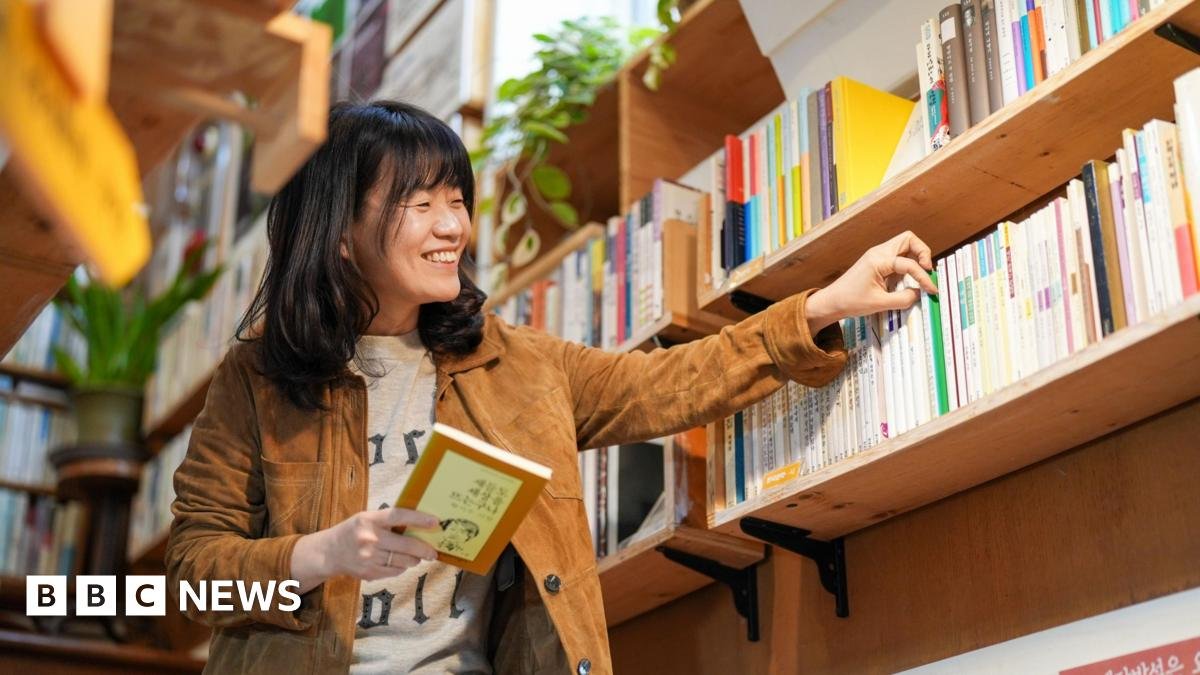
When Seen Aromi’s memoir documenting the joys of singlehood hit the shelves in early 2024, it became an instant bestseller.
Women young and old, single or married, those with children and without seemed to relish So What if I Love My Single Life!, drawing “second-hand satisfaction” from Seen’s confident retorts to unsolicited advice, or finding in it the freedom to be “unapologetically single”.
But soon her success encountered a deluge of criticism and hate online, largely from men. They told her she would die lonely, called her selfish, and accused her of “betraying her country”.
Embracing female independence and challenging patriarchy has become increasingly dicey in South Korea, where young men have driven a huge backlash against feminism.
Discrimination, harassment and sexual violence against women remain huge challenges, but feminism has become such a polarised term here it is often levelled as a grave charge, inviting witch-hunts online and censure offline.
Now women are carving out a space to share their stories in what is shaping up to be a quiet revolution in the country’s literary scene.
This year women swept the country’s most prestigious literary prize – the Yi Sang Awards – winning in all six categories for the first time. Book talks, and reading and writing rooms called guelbang, have sprung up, offering time and space for women to gather and – crucially, they emphasise – grow as a community.
Han Kang’s historic Nobel Prize win in 2024 aside, women’s voices haven’t always been that prominent in Korean writing.
However, the country’s MeToo movement in 2016 “encouraged ordinary women to speak up”, says Eunyu, an author who launched her writing room in 2011. She prefers using her pen name.
Even as the revolt against anything deemed feminist grew, more women began to teach writing classes or hold reading sessions, making these spaces more accessible for other women.
“Many of the women who joined as attendees have gone on to become writers in their own right,” Eunyu adds.
“I’ve seen countless instances of attendees digesting their pain, restoring their sense of self and confidence through the act of writing. While these shifts are deeply personal, when they unfold in a community they can often inspire a chain of reaction. In that sense, what we’re witnessing here is a slow – but sure – revolution.”