








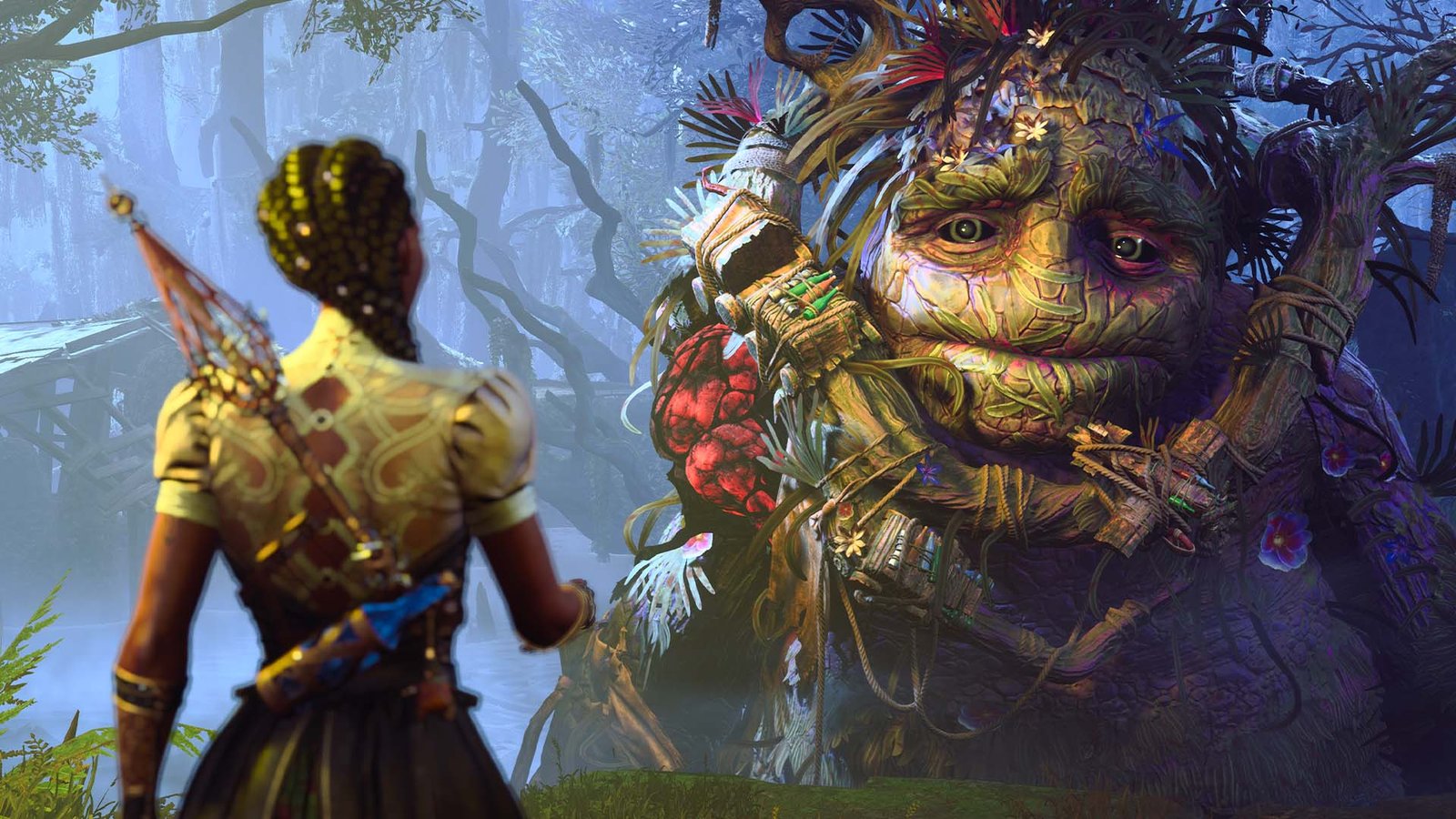
The landscape of the video game industry is undergoing a structural transformation, with the recent separation of Compulsion Games from the Microsoft Xbox ecosystem serving as a primary case study for this evolution. Following a series of internal restructurings, Compulsion Games now operates as an independent entity, retaining its intellectual property and the creative staff behind acclaimed titles. This transition represents a departure from the traditional model of large-scale corporate ownership, where developers often found their projects tethered to the broader financial goals and strategic mandates of a parent corporation.
For Compulsion Games, the independence move is not merely a legal shift but a strategic pivot in how the studio evaluates project viability. In recent discussions regarding the lifecycle of South of Midnight, creative director David Sears provided a candid assessment of the realities of modern game development. He highlighted the tension between the artistic desire to create high-prestige, culturally significant projects and the hard financial constraints that eventually dictate the sustainability of such endeavors. This new era for the studio is characterized by a pragmatic focus on balancing creative vision with economic reality, ensuring that future projects can exist within a stable, long-term business framework.
The development of South of Midnight offered a unique window into the internal philosophy of Microsoft’s gaming division during the mid-2020s. According to Sears, there was a clear understanding among leadership that specific projects were not designed to be massive commercial blockbusters. Instead, these titles were intended to serve as cultural cornerstones and reputation-building assets for the Xbox platform. The studio operated under a system where the primary objective was artistic excellence and critical acclaim—a goal achieved, as evidenced by the game’s strong reception and BAFTA recognition in 2025.
However, Sears acknowledges that this approach relied on a “money tap” that could not remain open indefinitely. The realization that such projects were financially unsustainable in the long term was a point of concern for leadership even during the height of the development cycle. In hindsight, the studio views the decision to fund these games as a manifestation of a specific, temporary era in the industry—one defined by generous investment in high-concept creative output. The shift to independence allows the studio to move away from relying on such subsidies, forcing a more disciplined approach to budgeting and project selection that aligns with the realities of an independent marketplace.
The central dilemma articulated by Compulsion Games is the conflict between “prestige” gaming and commercial viability. While developers often aspire to build projects that define a generation, the underlying economic engine must be robust enough to support those ambitions without relying on the continuous, volatile influx of external corporate capital. Sears noted that during the development of their recent projects, many industry peers questioned the longevity of this funding model. The fear that the funding would eventually cease was not merely a pessimistic outlook; it was a professional assessment of industry trends.
By separating from the larger umbrella of Xbox Game Studios, Compulsion Games is now positioned to define its own trajectory. The studio’s history, ranging from its work on We Happy Few to the more recent accolades for South of Midnight, demonstrates an ability to produce high-quality, distinct experiences. The challenge moving forward is to translate that reputation for creative quality into a sustainable business model that does not require the level of external financial cushioning that was previously available. This requires a shift in focus toward projects that prioritize efficient production pipelines and clear market positioning.
With its independence now solidified, Compulsion Games faces the critical task of securing its next project. The studio remains in a unique position: it is an established developer with a proven track record of award-winning output but lacks the immediate safety net of a major publisher. This creates a necessity for collaborative work and potential partnerships that differ significantly from the structure of a direct acquisition. The focus is no longer on filling a specific slot in a corporate product lineup, but on identifying projects that offer both creative satisfaction and long-term financial survival.
Sears reflects on the evolution of Microsoft’s corporate culture, noting that the company’s decision to allow studios like Compulsion to spin off—rather than simply closing them down—signals a more humane approach to industry contraction. This reflects a broader trend where major platforms are slimming down their internal development teams to improve agility. For Compulsion, this “humane” exit provides the studio with the runway and the intellectual property required to start fresh. While the studio has yet to announce a new title, the consensus among industry observers is that the next iteration of the company will be markedly different from the studio that developed South of Midnight, likely favoring smaller, more targeted projects that can thrive in a more volatile market.
The story of Compulsion Games serves as a warning and a template for other developers working within large publishing infrastructures. It highlights the importance of financial literacy at the creative director level and the necessity of anticipating shifts in corporate strategy. As the industry moves away from the era of massive, project-based subsidies, studios that prioritize independence or sustainable collaborative models will likely have an advantage.
The impact of this shift is profound; it marks the end of a “golden era” of experimental funding and the beginning of a cycle defined by fiscal responsibility. Compulsion’s journey suggests that while prestige is valuable, it cannot replace the essential need for a project to stand on its own financial merits. By adopting this stance, Compulsion Games is not just moving to a new office or a new organizational structure—it is signaling a fundamental change in the way it views the relationship between the creator, the capital, and the audience. As they look toward the future, the studio is expected to leverage its brand recognition and historical expertise to navigate a landscape that demands more from developers than ever before.
Disclaimer: This content is auto-generated for informational purposes only.
Source: Read Original News