








South West Water Named Worst Environmental Performer in England as Pressure Mounts for Sector Overhaul
South West Water has been identified as the worst-performing water company in England regarding environmental impact, according to a comprehensive new analysis by Friends of the Earth. The provider, which serves customers across Devon, Cornwall, and parts of Dorset and Somerset, topped the list for the highest volume of sewage discharges, outstripping all other regional water firms.
A Grim Environmental Record
Friends of the Earth assessed water companies based on six critical metrics: sewage spill frequency, water quality at bathing sites, pollution warnings, severity of sewage contamination, river ecological health, and bill affordability.
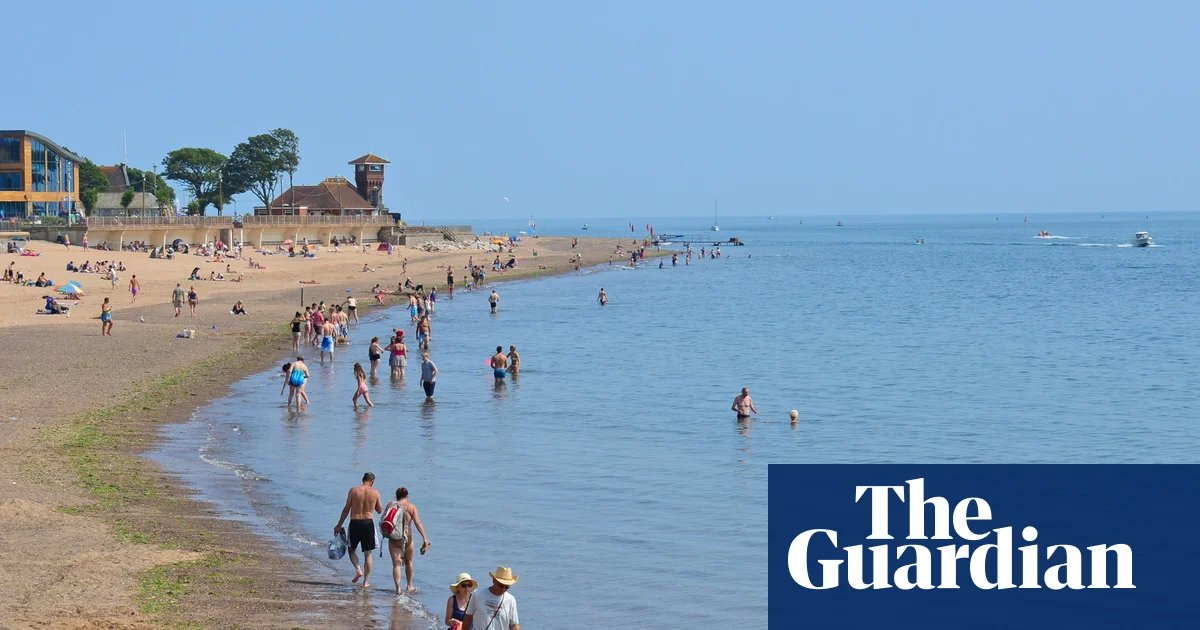
The findings place South West Water among the bottom three performers in four of these six categories. Most notably, the company recorded the highest total duration of sewage spill events since 2024, averaging 574,323 hours annually—a figure nearly 200,000 hours higher than its nearest rivals, Severn Trent and Yorkshire Water. In 2025 alone, the company’s designated bathing sites were subject to 666 pollution incidents and warnings.
The report has intensified scrutiny on the company’s operations, with the findings fueling an environmental record that campaigners argue is unsustainable.
Financial Strain on Customers
Beyond the environmental damage, the analysis highlighted the significant financial burden placed on the company’s 1.8 million customers. Annual water bills in the region now sit at £726, with an increase of 39% since 2024—the second-steepest rise in the country, trailing only Southern Water.
Responding to the criticism, a spokesperson for South West Water emphasized that they manage over a third of England’s designated bathing waters. “Improving water quality is a huge priority for us,” they stated, citing a 25% reduction in spill duration over the past year and a commitment to meeting new Environment Act standards by 2030, five years ahead of the national deadline.
Growing Calls for Reform
The damning data has prompted urgent demands from environmental groups for a government-led “clean water bill.” Kierra Box, a campaigner at Friends of the Earth, criticized current government efforts as “superficial” and called for a fundamental restructuring of the sector.
“If we’re to end the sewage scandal once and for all, we must see the government committing to a complete overhaul of our water system,” Box said.
The debate over the future of the industry has reached the highest levels of government. Prime Minister Andy Burnham has reportedly considered amending insolvency laws to facilitate the transition of struggling utilities into public control. While rumors of putting major firms like Thames Water into special administration have circulated, the government insists that companies remain stable while maintaining that they are “ready for all eventualities.”
The Department for Environment, Food and Rural Affairs (Defra) stated that the government is currently pushing forward the “biggest overhaul of the water sector in a generation,” aimed at curbing corporate bonuses and granting the public greater oversight.
Meanwhile, industry body Water UK maintained that investment is accelerating. A spokesperson noted that the industry is “tripling investment over the next five years” to address infrastructure failures, specifically targeting the capacity of 1,700 wastewater treatment works.