








When the leaves fall and the frost begins to settle on the grass, the natural instinct for many of us is to hang up the gardening gloves and retreat indoors until spring. It is easy to view the winter garden as a dormant space, a place where nothing happens until the first signs of warmth return. However, seasoned gardeners know that the cold months offer a unique window for preparation. Taking a little time now to plant specific crops is a rewarding way to ensure you have a head start when the new season finally blooms.
Why Winter Planting Matters
Gardening during the colder months is not about immediate harvests but rather about setting the stage for success later on. By getting certain hardy vegetables into the ground before the heart of winter, you allow them to establish their root systems in the cool, damp earth. This early start means that as soon as the ground begins to thaw and the daylight hours stretch, these plants are ready to surge into growth. Expert gardeners note that this proactive approach leads to healthier, stronger crops that are better equipped to handle the transition into spring.
The Best Crops for a November Start
If you are looking to keep your garden active, focus on plants that actually thrive in cooler conditions. Broad beans are a perfect candidate for this time of year. If you live in a region with relatively mild weather, you can sow these directly into the soil. They are remarkably resilient and will begin their development during the winter, giving you a significant advantage once temperatures rise.
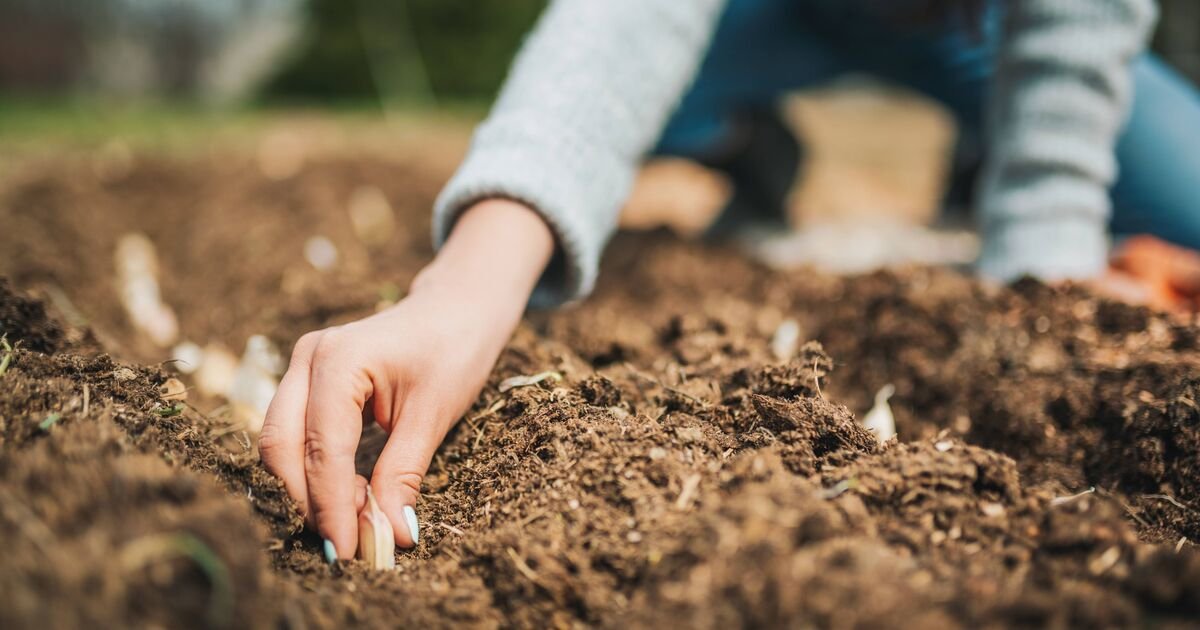
Garlic is another essential addition to the winter plot. This crop is unique because it requires a cold spell to develop its signature bulb structure properly. When planting, simply separate a bulb into individual cloves and bury them with the pointed end facing up. Make sure to space them out adequately so they have plenty of room to expand as they mature.
Finally, consider planting overwintering onion sets and shallots. These varieties are specifically bred to withstand the elements. Like other winter crops, they need a sunny spot with soil that drains well. Once they are tucked into the ground, they demand very little attention, making them a low-effort way to keep your kitchen garden productive through the quietest part of the year.
Essential Care During Cold Snaps
While these plants are hardy, they still appreciate a bit of support when the temperature plummets. The most critical factor is soil drainage. Roots that sit in waterlogged, freezing soil are prone to rotting, so always ensure your planting sites are not prone to puddling. If you live in an area that experiences harsh frost, consider using horticultural fleece. This lightweight material acts as a blanket for your crops, offering just enough insulation to protect tender shoots from the biting wind and ice.
For gardeners who prefer using containers, remember that pots lose heat much faster than the open ground. To keep your plants safe, move them to a more sheltered position, perhaps against a south-facing wall or inside a greenhouse.
Adjusting Your Maintenance Routine
As the pace of plant growth slows down during the winter, your maintenance routine should shift as well. One of the most common mistakes during this season is overwatering. Because the plants are not growing at a rapid rate, they do not require nearly as much hydration as they would in July. Focus on keeping the soil slightly moist rather than saturated. By reducing your watering schedule, you prevent the ground from becoming waterlogged, ensuring that the roots remain healthy and dormant until they are ready to wake up in the spring.
Taking these small steps throughout November turns the garden into a living project rather than a forgotten space. It is a peaceful, practical way to connect with the cycles of the seasons, and come spring, you will be glad you put in the groundwork while the rest of the world was staying inside.
Disclaimer: This content is auto-generated for informational purposes only.
Source: Read Original News